Types of Mattress Toppers Explained
If your bed feels too firm, too soft, or just worn out, a mattress topper can transform it without the cost of a new mattress. Whether you are dealing with back pain, night sweats, or simply want more comfort, the right topper adds targeted support, pressure relief, and temperature control. With so many types of mattress toppers available, choosing the best one comes down to your specific sleep needs, position, and preferences. This guide breaks down every major type, how they compare, and which works best for you so you can sleep deeper, cooler, and more comfortably.
Memory Foam Toppers: Pressure Relief Champion

Memory foam is the go-to choice for deep cushioning and body contouring. It molds to your shape, reducing pressure on hips and shoulders, which makes it ideal for side sleepers or anyone with joint pain.
Ideal for Pain Relief and Motion Isolation
Memory foam excels at absorbing movement, making it perfect for couples. If your partner tosses and turns, you will barely feel it. Its slow response helps maintain spinal alignment by filling gaps between your body and the mattress.
Watch for Heat Build-Up
Traditional memory foam traps body heat. If you sleep hot, look for gel-infused, copper-infused, or graphite-enhanced versions. These help draw heat away and improve breathability. Also, expect some off-gassing when unboxed. Let it air out for 24 to 48 hours before using.
Best Picks by Need
• Back pain relief: High-density memory foam, 3 to 4 inches thick
• Softening a firm bed: 2 to 3 inch medium-soft topper
• Hot sleepers: Gel-infused memory foam
Latex Toppers: Cool, Bouncy, and Durable
Latex offers a responsive, springy feel that is supportive without sinking. Unlike memory foam, you sleep on it, not in it. It is naturally breathable, making it a top pick for hot sleepers.
Natural and Long-Lasting
Made from rubber tree sap or synthetic blends, latex toppers resist dust mites, mold, and mildew. They last 5 years or more with proper care and maintain their shape better than most foams.
Firmer Feel May Not Suit Everyone
While supportive, natural latex leans firm. If you want plush softness, this might feel too rigid. Blended or Talalay latex versions offer a softer option. Also, latex is heavy and harder to move or rotate.
Who Should Choose Latex?
• Hot sleepers who want naturally cool sleep
• Back and stomach sleepers needing excellent support
• Eco-conscious buyers seeking natural, biodegradable options
Wool Toppers: Year-Round Temperature Control
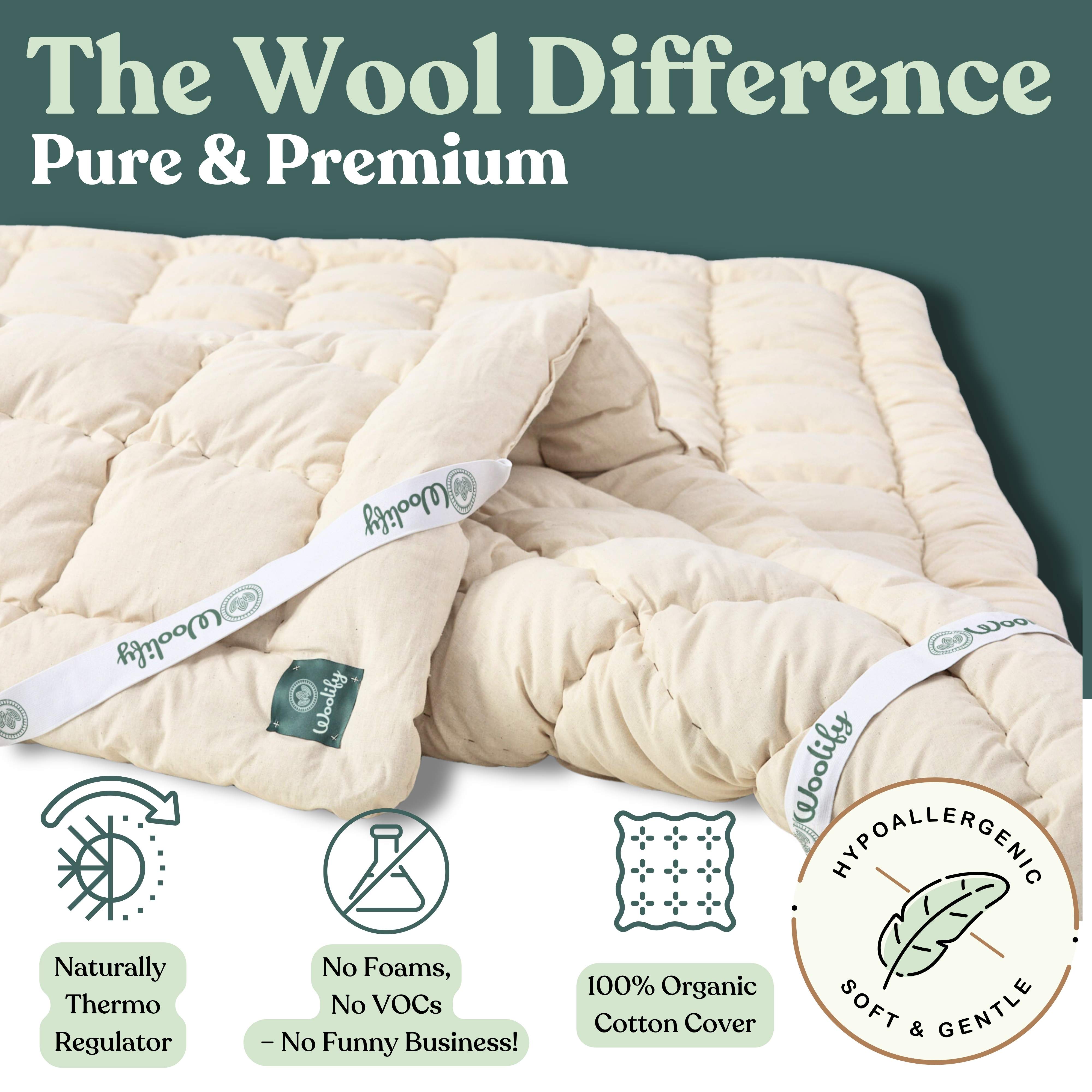
Wool regulates heat like no other material. It keeps you warm in winter and cool in summer by wicking moisture and allowing airflow, which makes it perfect for night sweats or fluctuating room temperatures.
Soft, Natural, and Hypoallergenic
Wool toppers feel cushioned but not squishy. They are naturally resistant to allergens, bacteria, and dust mites, which makes them great for sensitive skin or allergy sufferers.
Higher Cost and Maintenance
Wool is expensive and heavy. Most require spot cleaning or professional care. Avoid machine washing. It also flattens slower than foam, so do not expect dramatic softness changes.
Ideal For
• Seasonal comfort seekers balancing hot and cold nights
• Allergy-prone sleepers wanting natural resistance to irritants
• Eco-friendly homes seeking renewable, sustainable materials
Feather Toppers: Cozy and Lightweight
Feather toppers add a soft, lived-in feel. Filled with duck or goose feathers, they offer gentle cushioning without excessive loft, which makes them great for a subtle comfort upgrade.
Breathable and Affordable
Feathers allow airflow, so they do not trap heat like foam. They are usually cheaper than down and give a traditional, cozy bed feel.
May Poke or Flatten Over Time
Lower-quality feather toppers can have quills that poke through the cover. They also compress with use and need regular fluffing. They are not ideal for those needing firm support.
Who Benefits Most?
• Cool sleepers wanting softness that adds warmth without weight
• Budget buyers looking for less expensive options than down or latex
• Hotel-at-home lovers seeking classic, inviting comfort
Down Toppers: Ultimate Plush Luxury

Down toppers use the soft undercoating of duck or goose feathers. They are ultra-light, fluffy, and deliver that sleeping on a cloud experience.
Hotel-Style Comfort
Down is the go-to material for luxury. It is soft, compressible, and great for layering. It is ideal if you want your bed to feel indulgent and cozy.
High Maintenance and Price
Down is expensive and requires fluffing to maintain loft. Most need professional cleaning. It also retains heat, which makes it bad for hot sleepers.
Best For
• Cold climates where natural insulation matters
• Side sleepers wanting softness that cushions shoulders and hips
• Luxury seekers craving unmatched softness and feel
Polyfoam Toppers: Budget-Friendly Cushioning
Polyfoam is a lighter, cheaper alternative to memory foam. It adds softness with a bouncy feel but does not contour as closely.
Affordable and Lightweight
Polyfoam toppers cost less and are easy to move. They are great for temporary fixes or guest beds.
Less Durable and Supportive
They wear out faster, often within 1 to 2 years. Heat retention can be an issue, and they offer minimal pressure relief.
Good For
• Short-term use in college dorms or rentals
• Light softening for slightly firm mattresses
• Budget shoppers wanting the cheapest foam option
Cotton Toppers: Natural and Breathable
Cotton toppers use layered or batting cotton for gentle cushioning. They are soft, hypoallergenic, and breathable, which makes them ideal for hot sleepers.
Simple, Clean, and Chemical-Free
Natural cotton is free from VOCs and synthetic materials. Many are easy to care for and machine washable.
Prone to Flattening
Cotton compresses over time and may need replacing sooner. It does not offer deep support or pressure relief.
Who Should Try Cotton?
• Sensitive sleepers concerned about off-gassing
• Hot sleepers wanting excellent airflow
• Minimalists seeking natural, no-fuss comfort
Fiberfill Toppers: Down Alternative on a Budget
Fiberfill mimics down using synthetic polyester fibers. It is fluffy, soft, and often machine washable, which makes it great for allergy sufferers.
Soft, Washable, and Vegan
No animal products are used, so it is a popular vegan alternative. It is lightweight and cozy with a pillow-top feel.
Less Durable and Breathable
Fibers can clump over time, creating uneven spots. It is not as breathable as cotton or wool. It is best for light use.
Best Uses
• Guest rooms where easy care and soft feel matter
• Vegan buyers seeking animal-free comfort
• Families wanting machine-washable options
Cooling Gel Toppers: For Hot Sleepers
Gel-infused memory foam combines contouring comfort with temperature control. The gel beads absorb and dissipate heat.
Stays Cooler Than Traditional Foam
Gel helps regulate surface temperature, making it a smart upgrade for anyone who sweats at night.
Cooling May Fade Over Time
The effect diminishes as the gel breaks down. Look for graphite or copper infusions for longer-lasting results.
Who Needs It?
• Night sweaters wanting heat wicking away
• Memory foam lovers who overheat seeking best of both worlds
• Side sleepers in warm rooms needing pressure relief plus cooling
Egg Crate Toppers: Lightweight Pressure Relief
Named for their bumpy surface, egg crate toppers improve airflow and reduce pressure points. They are commonly used in medical settings.
Enhances Airflow and Comfort
The ridges lift you slightly, allowing heat to escape. They are great for preventing bed sores or adding cushion to a firm base.
Less Supportive and Durable
Thin and lightweight, they wear out faster under heavy use. They are not ideal for long-term spinal support.
Ideal For
• Hospital beds or firm mattresses needing an added soft layer
• Short-term relief during back pain or recovery
• Budget buyers wanting the cheapest option
Hybrid Toppers: Best of Multiple Worlds
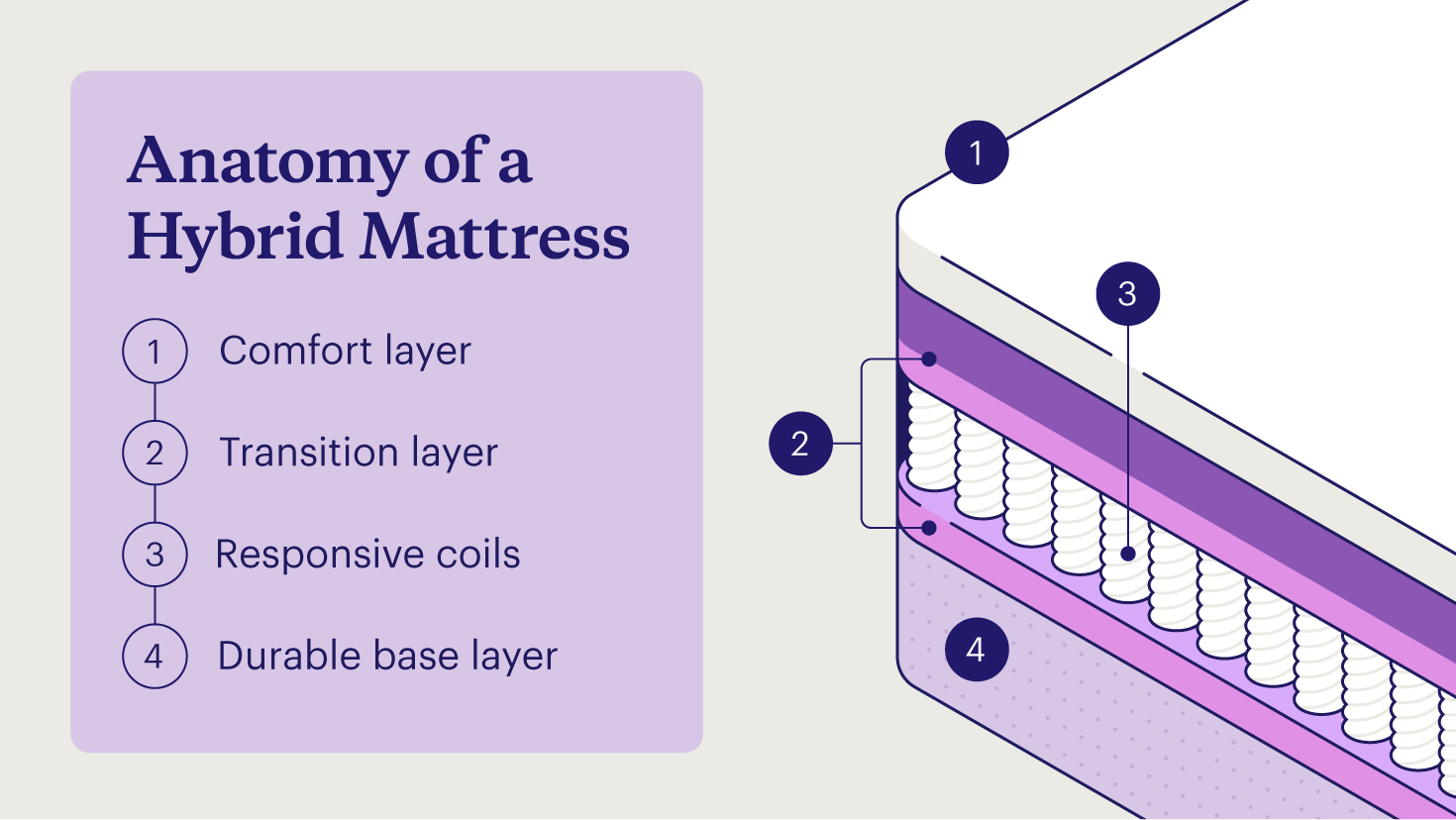
Hybrid toppers blend materials like memory foam plus fiberfill or latex plus cooling gel to balance support, softness, and temperature control.
Customized Comfort
Couples with different needs can benefit. One side can be firm while the other is soft. It is great for those who cannot decide on a single material.
Heavier and Pricier
More complex construction means higher cost and weight. Performance depends on the blend, so read specs carefully.
Who Wins With Hybrids?
• Couples needing dual comfort zones
• Hot sleepers needing support plus cooling
• Indecisive buyers wanting balanced feel
How to Choose the Right Topper for Your Sleep Position
Match It to Your Sleep Position
• Side sleepers need thick, soft cushioning. Try memory foam, down, or a 3 to 4 inch gel topper.
• Back sleepers need medium-firm support. Choose latex, high-density foam, or a 2 to 3 inch hybrid.
• Stomach sleepers require firmness to prevent hip sink. Pick latex, thin polyfoam, or a firm hybrid.
Consider Your Mattress Condition
• Slightly worn or firm mattress: A 2 to 3 inch topper adds comfort.
• Sagging or very firm bed: A 4 inch high-density topper creates major change.
• New but uncomfortable mattress: Try a 2 to 3 inch cooling or soft topper.
Factor in Budget and Longevity
• Under $100: Polyfoam, fiberfill, egg crate
• $100 to $200: Memory foam, cooling gel, feather
• $200 and up: Latex, wool, down, hybrid
Care Tips to Extend Your Topper Life
Use a Protector
Always use a waterproof mattress protector or topper cover. It blocks sweat, spills, and allergens. This is especially important for foam and natural fills.
Rotate Regularly
Turn your topper every 3 to 6 months to prevent uneven wear. This is especially important for foam and latex.
Air It Out
Let it breathe weekly. Remove sheets and let it air for 30 minutes to reduce moisture buildup.
Follow Cleaning Instructions
• Foam: Spot clean with mild soap, never soak
• Wool or down: Professional clean only
• Fiberfill or cotton: Machine wash on gentle cycle with low heat dry
Mattress Topper vs. Mattress Pad: Know the Difference
Topper Changes Feel
A topper is designed to alter comfort. It softens a firm bed or adds cushion to an old one. It is typically 2 to 4 inches thick.
Pad Protects Only
A pad is thinner, under 1 inch, and mainly for spill and stain protection. It adds minimal comfort.
Rule of thumb: Want better support or softness? Choose a topper. Just want to protect your mattress? A pad is enough.
Final Verdict: Which Topper Is Best?
| Topper Type | Best For | Avoid If |
|---|---|---|
| Memory Foam | Pressure relief, side sleepers | You sleep hot unless gel-infused |
| Latex | Support, cooling, durability | You want plush softness |
| Wool | Temperature regulation, allergies | You want deep cushioning |
| Down or feather | Luxury, softness, cold climates | You overheat or need support |
| Polyfoam | Budget, light softening | You need long-term durability |
| Cotton | Natural materials, breathability | You want spine support |
| Fiberfill | Vegan, washable, soft feel | You need pressure relief |
| Cooling gel | Hot sleepers who love foam | You want long-term cooling |
| Egg crate | Airflow, medical use | You need thick cushioning |
| Hybrid | Balanced comfort, couples | You are on a tight budget |
Frequently Asked Questions About Types of Mattress Toppers
What is the best type of mattress topper?
The best mattress topper depends on your specific needs, but latex is often considered one of the best all-around choices. A latex topper is naturally responsive, so instead of sinking in like memory foam, it gently cushions while keeping you lifted. It is breathable, durable, hypoallergenic, and supportive, which makes it a good match for most sleepers, especially if you want comfort without overheating.
What thickness is best for a mattress topper?
The thickness has a big impact on comfort. Most toppers range from 2 to 4 inches. A 2-inch topper adds light comfort ideal if your mattress is already fairly comfortable. A 3-inch topper is the most versatile, providing good balance between cushioning and support. A 4-inch topper works best when the mattress is uncomfortable, sagging, or needs a substantial upgrade. Side sleepers usually benefit from thicker toppers, while back and stomach sleepers prefer thinner, firmer options.
Do mattress toppers really help with back pain?
Yes, the right topper can make a huge difference for back pain. If your current mattress is sagging or overly soft, a firm or high-density topper gives you the support you need. If you have an overly firm mattress, a soft topper like gel-infused memory foam reduces pressure on your spine and hips. A topper is not a cure-all, but it can bridge the gap until you are ready to replace your bed.
What is the difference between a mattress topper and a mattress pad?
Mattress toppers are designed to change the feel of your bed. They can turn an uncomfortable mattress into something supportive or plush. Mattress pads are thinner and mainly for mattress protection. They may add a touch of comfort, but their primary job is shielding your bed from spills, dust, and allergens.
Are cooling mattress toppers worth it?
If you sleep hot, a cooling mattress topper is absolutely worth it. It can make nights far more comfortable. Materials like natural latex, graphite-infused memory foam, copper-infused memory foam, or wool naturally regulate temperature and wick away heat.
How do I choose the right topper for my sleeping position?
Your sleeping position should guide your choice. Back sleepers usually need a medium or firm topper made from dense foam or Dunlop latex to keep the spine aligned. Stomach sleepers do best with a firm or high-density topper that prevents the lower back from sinking in. Side sleepers often prefer thicker or softer toppers like gel-infused memory foam or a down alternative to ease shoulder and hip pressure.
Key Takeaways for Choosing Types of Mattress Toppers
The best type of mattress topper depends on your sleep style, budget, and specific needs. Latex wins for overall performance because it is cool, supportive, and long-lasting. Memory foam is ideal for pressure relief and pain. Down and feather offer luxury softness. Wool and cooling gel are top picks for temperature control.
Before buying, ask yourself these questions. Do you sleep hot? Choose latex, wool, or cooling gel. Do you have back pain? Try high-density foam or latex. Is your mattress too firm? Go for a 3 to 4 inch soft memory foam or down topper. Are you on a budget? Polyfoam or fiberfill are solid starters.
A mattress topper is not a permanent fix for a broken bed, but for most people, it is the easiest, most affordable way to upgrade sleep. With the right pick, you will wake up refreshed, pain-free, and ready to take on the day.