Full Size Duvet Cover: Dimensions Guide
Choosing the right full size duvet cover isn’t as simple as picking “Full” off a shelf. Despite the standardized name, full size duvet cover size varies dramatically across brands, by up to 20 inches in width and over a foot in length. This inconsistency can lead to poor fit, bunching fabric, or seams under stress if you don’t know what to look for.
A standard Full/Double mattress measures 54 inches wide by 75 inches long, but duvet covers designed for it range from snug 76″ x 86″ fits to oversized 95″ x 98″ luxury drapes. The variation exists because manufacturers follow different sizing philosophies: some stick to traditional dimensions, others merge Full and Queen into a single “Full/Queen” size, and high-end brands often use one oversized cover for both. This guide cuts through the confusion so you can find the perfect fit for your bed.
Know the 3 Full Size Standards

The term “Full” no longer means one fixed size. Depending on the brand, your duvet cover could be compact, universal, or oversized. Understanding these categories prevents surprises at checkout.
Snug Fit: 76″–80″ x 86″–89″
This traditional standard offers minimal overhang and a clean, tailored look. Covers in this range are ideal for:
– Single sleepers who like a neat bed
– Teenagers or guest rooms where excess fabric is unwanted
– Lower-profile mattresses (under 12 inches tall)
At 76″ wide, this size provides about 11 inches of drop per side on a 54″ Full mattress, enough to drape neatly but not pool on the floor. Lengths around 86″–89″ ensure foot coverage without excess.
Best for: Those who dislike managing large amounts of fabric or prefer a minimalist aesthetic.
Full/Queen Unified: 88″–90″ x 90″–96″
Most modern retailers use this merged sizing. A “Full/Queen” duvet cover is typically 88″ to 90″ wide and 90″ to 96″ long, making it significantly larger than a true Full mattress.
On a 54″ wide bed, this creates 17–18 inches of overhang per side, giving you a dramatic, hotel-like drape. It’s also more forgiving for shared Full beds, preventing the duvet from being pulled out of reach during the night.
Why it’s common: Simplifies inventory and accommodates thicker mattresses and inserts.
Watch out: May look oversized on a small bedroom or if your mattress is low-profile.
Luxury Oversized: 95″ x 98″
Brands like Casper and Brooklinen use this one-size-fits-most approach. At 95 inches wide and 98 inches long, this cover dwarfs a standard Full mattress, offering nearly 21 inches of drop per side and 23 inches of extra length.
This size prioritizes:
– Maximum floor-pooling drape
– Compatibility with high-loft down inserts
– Eliminating exposed feet, even with movement
Ideal for: Luxury seekers, tall individuals, or those with deep mattresses (14″+). May require an extra-large washer for cleaning.
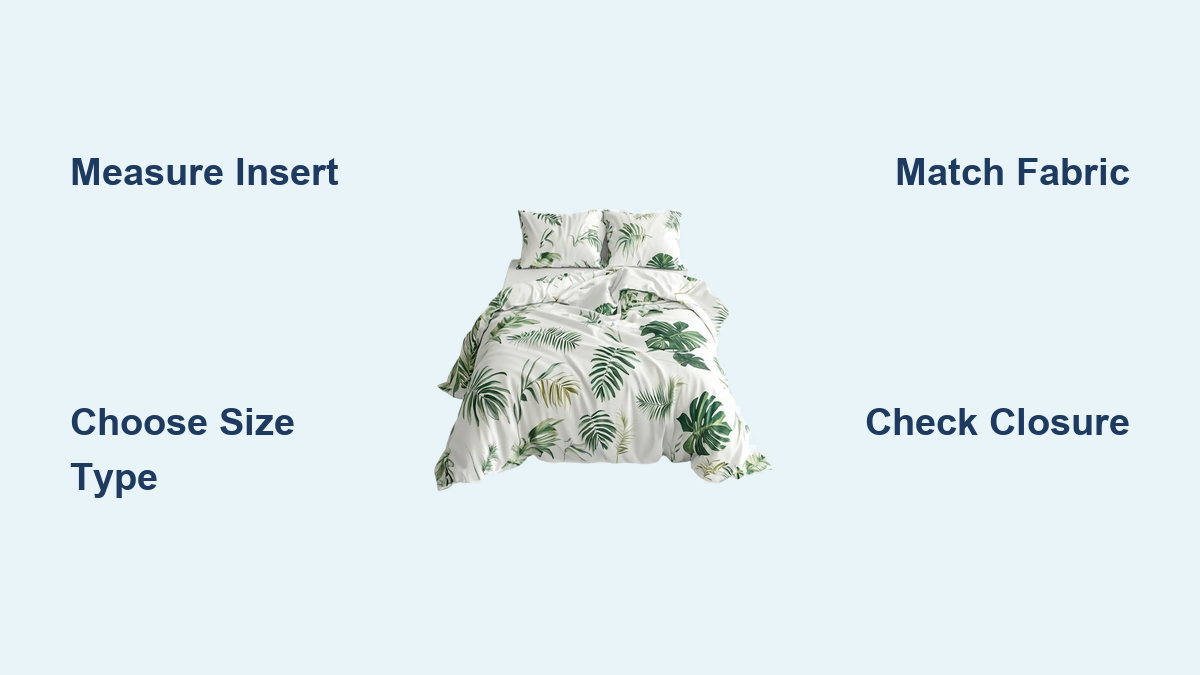
Measure Your Insert, Not Your Bed

Never assume your duvet cover size based on bed name alone. The only reliable method is measuring your actual duvet insert.
Why Insert Size Matters
Duvet inserts expand when filled, especially down or down-alternative types. A 75″ long insert might compress the cover’s effective length, creating a tight fit. Conversely, a thick insert in a small cover can strain seams and zippers.
Step-by-Step Measurement Guide
- Lay the insert flat on a clean surface.
- Measure width from edge to edge (ignore puffiness).
- Measure length from top to bottom.
- Add 1–2 inches to both dimensions for optimal fit.
Example: If your insert is 78″ x 88″, choose a full size duvet cover that’s at least 80″ x 90″ to allow for loft and fluff.
Pro Tip: Keep a note of your insert size in your phone for future shopping.
Choose the Right Material for Comfort

Your fabric choice affects breathability, softness, durability, and temperature regulation.
Cotton: Classic and Breathable
- Best for: Most sleepers, especially in moderate climates
- Thread count: Aim for 200–600
- Weaves: Percale (crisp, cool), Sateen (silky, soft)
- Pros: Durable, easy to care for, widely available
- Cons: Can wrinkle; lower thread counts may pill or leak fill
Upgrade: Egyptian or Supima cotton for longer fibers and superior softness.
TENCEL® Lyocell: Cool and Sustainable
- Best for: Hot sleepers, eco-conscious buyers
- Why it works: Naturally moisture-wicking, 50% more absorbent than cotton
- Feel: Smooth, silky, temperature-regulating
- Care: Machine washable; resists odors and bacteria
Ideal pair: With an oversized cover to maximize airflow.
Bamboo: Soft and Hypoallergenic
- Best for: Sensitive skin, allergy sufferers
- Feel: Similar to silk, but more durable
- Eco-friendly: Fast-growing, low-impact crop
- Note: Often blended with rayon; check blend ratios
Polyester/Microfiber: Budget-Friendly and Wrinkle-Resistant
- Best for: Kids’ rooms, guest beds, tight budgets
- Pros: Affordable, color-fast, low maintenance
- Cons: Less breathable, can trap heat, prone to static
Avoid if: You sleep hot or want a luxury feel.
Flannel and Silk: Niche Choices
- Flannel: Warm and cozy, perfect for winter, but too hot for year-round use
- Silk: Luxurious feel, great for hair and skin, but delicate and expensive
Pick the Right Closure Type

The way your duvet stays inside the cover affects security, ease of use, and aesthetics.
Zippered Closures: Secure and Smooth
- Design: Hidden zipper along one edge or three sides
- Benefits: Keeps insert locked in place, no shifting
- Best for: Frequent washers, modern bedrooms, pet owners
- Look: Clean, seamless finish
Tip: Look for YKK or reinforced zippers to avoid breakage.
Button Closures: Classic and Decorative
- Design: Fabric-covered buttons along the bottom edge
- Benefits: Traditional charm, adjustable tension
- Drawbacks: Slower to fasten, buttons can pop under pressure
- Best for: Vintage or farmhouse styles
Pro Tip: Choose reinforced button plackets to prevent tearing.
Internal Ties: Prevent Bunching
- Design: Fabric loops or ties in corners and midpoints
- Function: Anchor the insert to the cover
- Common in: Button and open-end styles
- Critical for: Thick or heavy inserts
Note: Zippered covers often include ties too, so don’t skip this feature.
Snap Systems: Modern and Minimalist
- Design: Hidden snaps at corners or edges
- Benefits: Fast, secure, invisible when closed
- Best for: Simplified bedding systems (e.g., all-in-one duvet sets)
Avoid These 3 Common Mistakes
Even savvy shoppers get tripped up by duvet sizing. Steer clear of these errors.
Mistake 1: Trusting the Label Over Measurements
“Full” can mean 76″ or 95″ wide. Always check the product’s exact dimensions before buying. If the listing says “Full/Queen,” assume it’s closer to Queen size (88″+ wide).
Fix: Add a ruler to your shopping checklist. Compare specs side-by-side.
Mistake 2: Ignoring Insert Loft
A 2-inch thick insert takes up more space than a flat one. High-loft down expands vertically, pulling in the sides of the cover. A tight fit compresses the down, reducing warmth and causing lumps.
Fix: For thick inserts, size up to a Full/Queen or oversized cover.
Mistake 3: Mismatching Cover and Insert Logic
Some guides say the cover should be smaller than the insert to create tension. This is rare and brand-specific. For 95% of products, the cover should be slightly larger (1–2 inches) than the insert.
Rule of thumb: Bigger cover = fluffier look, easier insertion, better longevity.
Match Size to Your Sleeping Style

Your lifestyle should guide your choice, not just the bed size.
Single Sleeper or Teen? Go Compact
- Recommended: 76″–80″ width
- Why: Enough room to move, easy to manage, tidy appearance
- Pair with: Percale cotton or TENCEL® for comfort
Avoid: Oversized covers, as they’ll drag on the floor and require more laundry effort.
Sharing a Full Bed? Size Up
Two people on a 54″ mattress need coverage. A 76″ wide duvet leaves only 11″ per side, easily pulled off during sleep.
- Recommended: 88″–95″ width (Full/Queen or oversized)
- Benefit: Prevents nighttime tug-of-war, ensures both stay covered
Pro Tip: Use corner ties to keep the insert centered.
Hot Sleeper? Prioritize Fabric and Fit
Heat builds when bedding is tight against the body. An oversized cover allows air circulation.
- Material: TENCEL® or percale cotton
- Fit: Go larger (90″+) to avoid compression
- Weave: Choose breathable percale over sateen
Bonus: Light-colored covers reflect body heat better than dark tones.
Tall Person? Check the Length
Standard Full duvets are 86″–89″ long. If you’re over 6 feet, your feet may hang off.
- Solution: Choose a 96″–98″ length (Full/Queen or oversized)
- Benefit: Full foot coverage, even when shifting
Alternative: Look for “Extra Long” or “King Size” duvets if available.
Care Tips for Longevity
A well-cared-for duvet cover lasts years. Follow these steps to keep it fresh.
Washing Basics
- Frequency: Every 2–4 weeks, depending on use
- Machine: Use an extra-large capacity washer (especially for 95″ x 98″ covers)
- Load: Wash alone, no overcrowding
- Settings: Cold water, gentle cycle
- Detergent: Mild, fragrance-free (protects fibers and dyes)
Never: Wash with heavy items like jeans or towels.
Drying Guidelines
- Dryer: Extra-large capacity preferred
- Heat: Low or medium heat to prevent shrinkage
- Add dryer balls: Reduce wrinkles and soften fabric
- Remove promptly: Prevents deep creasing
Air drying: Hang over a clothesline or drying rack, ideal for silk or delicate weaves.
Preventing Shrinkage and Damage
- Pre-shrunk? Check the label. If not, expect 3–5% shrinkage in first wash.
- Avoid bleach: Weakens fibers and fades colors
- Zip it up: Always close the zipper before washing to protect the mechanism
Storage: Keep in a breathable cotton bag, never plastic, which traps moisture.
Final Size Guide Summary
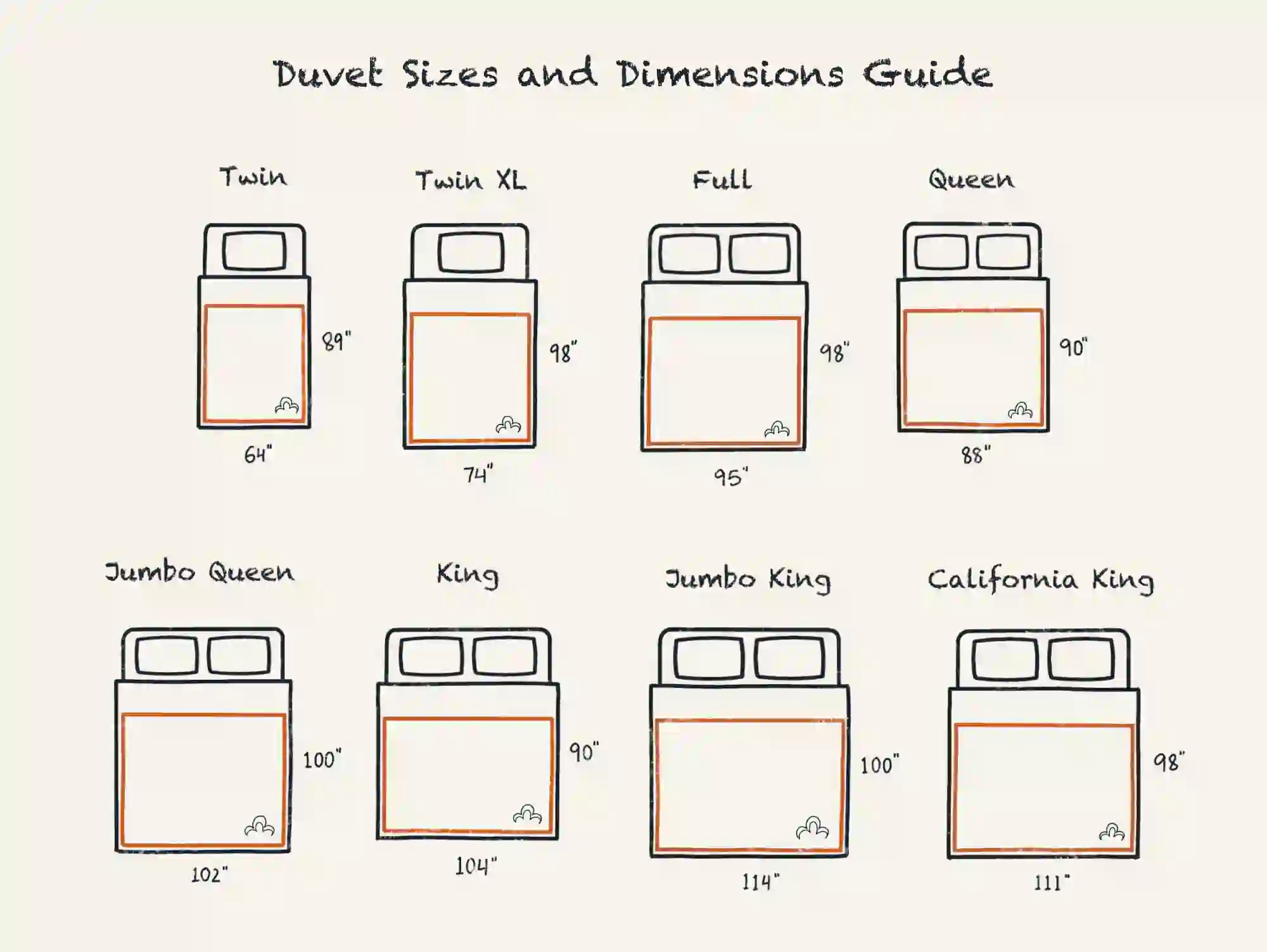
Use this quick reference when shopping:
| Need | Recommended Size | Width | Length |
|---|---|---|---|
| Snug, neat fit | Traditional Full | 76″–80″ | 86″–89″ |
| Shared Full bed | Full/Queen Unified | 88″–90″ | 90″–96″ |
| Luxury drape | Oversized Full | 95″ | 98″ |
| Tall sleeper | Long Fit | Any width | 96″–98″ |
| Hot sleeper | Loose Fit + Breathable Fabric | 90″+ | 96″+ |
Golden Rule: Measure your insert first. Then pick fabric, closure, and drape based on your comfort and lifestyle.
Frequently Asked Questions About Full Size Duvet Covers
What are the standard full size duvet cover dimensions?
Standard full size duvet cover dimensions fall into three categories: snug fit (76″–80″ wide by 86″–89″ long), Full/Queen unified (88″–90″ wide by 90″–96″ long), and luxury oversized (95″ wide by 98″ long). The variation depends on the brand’s sizing philosophy.
How do I know which full size duvet cover to buy?
Measure your duvet insert first, not your mattress. Add 1–2 inches to both dimensions for optimal fit. Then choose a size category based on your preferred drape style: snug, unified, or oversized.
Can a Full/Queen duvet cover fit a Full mattress?
Yes, a Full/Queen duvet cover is designed to fit both Full and Queen mattresses. On a 54″ Full mattress, this creates 17–18 inches of overhang per side, providing a generous, hotel-like drape.
Should a duvet cover be larger or smaller than the insert?
Most experts recommend the cover be slightly larger (1–2 inches) than the insert. This allows the insert to fluff up without compression, creates a fuller look, and prevents seam stress. Some specific luxury systems use a tighter fit, but this is rare.
What thread count is best for a full size duvet cover?
Aim for a thread count between 200 and 600. This range offers the best balance of softness, breathability, and durability. Lower counts risk fill leakage, while higher counts may not improve quality significantly.
How often should I wash my full size duvet cover?
Wash your duvet cover every 2–4 weeks, depending on use. Use cold water on a gentle cycle with mild detergent. For oversized 95″ x 98″ covers, use an extra-large capacity washer for best results.
Key Takeaways for Choosing Your Full Size Duvet Cover
The full size duvet cover size you need depends less on your mattress and more on your insert, sleeping habits, and aesthetic goals. Always prioritize exact measurements over size labels, since “Full” can mean anything from 76″ to 95″ wide depending on the brand. For a tidy look, go traditional (76″–80″ wide); for shared beds or luxury drape, choose Full/Queen (88″–90″) or oversized (95″). Match your fabric to your sleep style: TENCEL® for hot sleepers, cotton for versatility, and polyester for budget-friendly durability. Once you’ve found the right fit, measure your insert before every purchase to avoid costly sizing mistakes.