
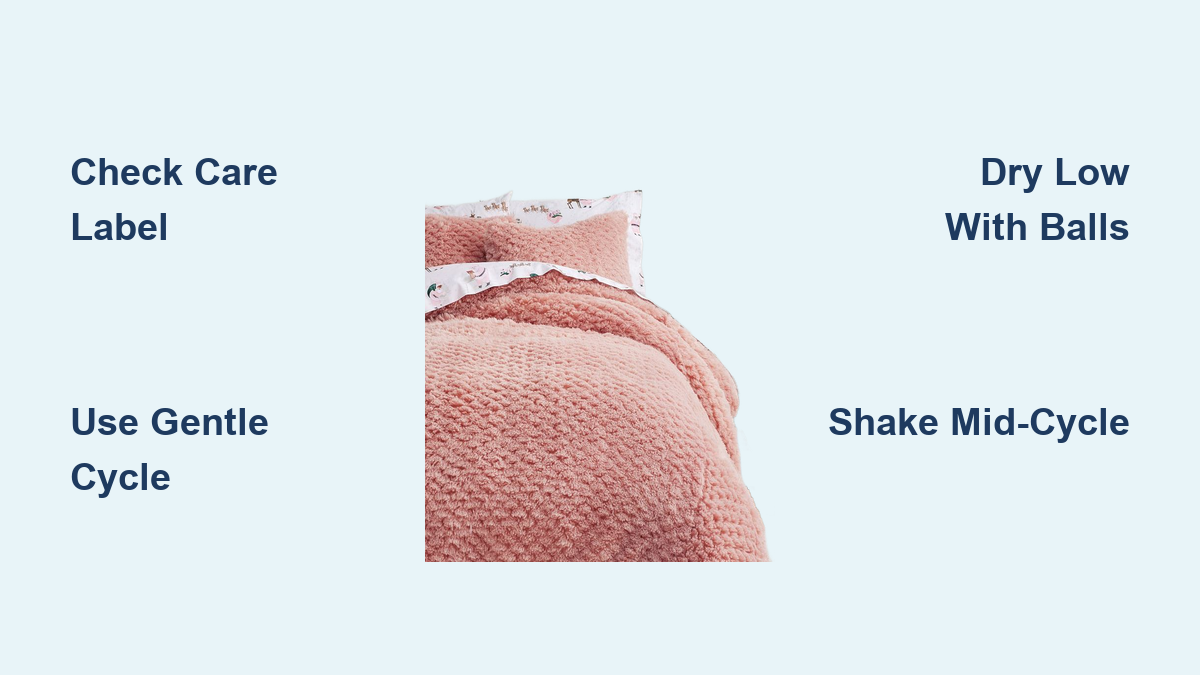
How to Wash Fluffy Duvet Cover
Nothing ruins the luxury of a fluffy duvet faster than a poorly cleaned cover. Whether your duvet cover is made of soft microfiber, crisp cotton, or delicate linen, improper washing can leave it looking flat, misshapen, or even damaged. And if you’re washing the cover, not the insert, you’re already one step ahead in protecting your investment. But getting it right matters, because a clean, fresh duvet cover should enhance fluffiness, not ruin it.
The good news? Washing a fluffy duvet cover is simple when you follow the right steps. The key lies in checking the care label, choosing the correct cycle, avoiding harsh chemicals, and drying it properly to preserve its soft structure. Most importantly, never treat your duvet cover like a regular sheet, as its size, fabric blend, and design demand special attention. In this guide, you’ll learn exactly how to wash your fluffy duvet cover safely, keep it looking plush, and extend the life of both the cover and the comforter inside.
Check the Care Label First
:max_bytes(150000):strip_icc()/international-laundry-care-symbols-2146487_V2-d1f2ab25b0334a99880274c87b83ae63.png)
Read Before You Wash
Every duvet cover comes with a care label for a reason. This small tag holds the rules for cleaning your specific fabric. Ignoring it could mean shrinking, fading, or even destroying the material. Look for key instructions like “Machine Wash Cold,” “Tumble Dry Low,” or “Do Not Bleach.” If it says “Dry Clean Only,” respect that, especially for silk or wool blends.
Know Your Fabric Type
Different fabrics react differently to water and heat:
– Cotton and Linen: Durable but can shrink in hot water.
– Polyester and Microfiber: Resist wrinkles but may pill with rough handling.
– Silk or Blends: Often require hand washing or professional cleaning.
– Down-Alternative Covers: Need gentle cycles to avoid fiber breakdown.
When in doubt, err on the side of caution with cold water, mild detergent, and low heat.
Prepare the Duvet Cover for Washing
Remove From Bedding
Take the duvet cover off the insert and shake it out. This helps loosen dust, hair, and debris. If the cover has buttons, zippers, or ties, fasten them before washing to prevent snagging.
Inspect for Damage
Check seams, corners, and closures for loose threads, tears, or weak stitching. Small rips can expand during the wash cycle. Repair minor damage with a quick hand stitch or safety pin to hold it together.
Treat Stains Early
Spot-clean stains before washing. Use a mix of mild liquid detergent and water, or an enzyme-based stain remover. Dab, don’t rub, the area gently. Let it sit for 5 to 15 minutes, then rinse with cold water on the surface. Avoid bleach unless the label allows it.
Choose the Right Washing Method
Machine Wash Safely
Most duvet covers can be machine washed, but only if your washer is big enough. Overloading causes poor rinsing and stress on the drum.
Use a Front-Loader When Possible
Front-loading machines are gentler than top-loaders with agitators. Agitators can twist and tear large items like duvet covers.
Select the Right Settings
- Cycle: Use “Delicate,” “Gentle,” or “Bedding” mode.
- Water Temperature: Cold or lukewarm. Hot water risks shrinking and fading.
- Detergent: Use a small amount of mild liquid detergent. Skip powder, as it won’t dissolve well in bulky loads.
- Avoid Fabric Softener: It coats fibers, reducing breathability and softness over time.
Balance the Load
Add 1 to 2 clean towels to help balance the spin cycle, especially in top-loaders. This prevents the machine from shaking and ensures even washing.
Hand Wash for Delicates
If the label recommends hand washing (common with silk or fine cotton), use a bathtub:
1. Fill with lukewarm water and a capful of mild detergent.
2. Submerge the cover and gently press it through the water.
3. Soak for 10 to 15 minutes.
4. Drain and rinse with cool water until suds are gone.
5. Press out water. Never twist or wring.
Dry to Preserve Fluffiness
:max_bytes(150000):strip_icc()/Bhg-how-to-use-dryer-balls-7499250-hero-H_22281_7D0SWymp4y7Bx9tkVasgAr-69e270ec602341d988483607ef4a481b.jpg)
Use Low Heat Only
High heat is the enemy of softness. It can melt synthetic fibers, shrink cotton, and make your cover feel stiff. Always choose Low Heat or Air Fluff on your dryer.
Add Dryer Balls
Toss in 2 to 3 wool or rubber dryer balls, or clean tennis balls in socks. They bounce around, breaking up folds and helping air circulate through thick fabric. This keeps the cover fluffy and speeds up drying.
Shake Mid-Cycle
Pause the dryer every 30 minutes. Pull out the cover and shake it vigorously. This redistributes fibers, prevents clumping, and ensures even drying. It’s the secret to maintaining that plush, hotel-bed feel.
Air-Dry Option
Lay the cover flat on a clean, dry surface away from direct sunlight. Flip it every few hours. Avoid hanging it vertically, as weight can stretch the fabric. Full air drying may take a full day, depending on humidity.
Eliminate Odors Without Washing
Freshen With Vodka Spray
No need to wash every time. For light odors, mix inexpensive vodka and water in a spray bottle (1:1 ratio). Lightly mist the cover and let it air dry. The alcohol kills bacteria and evaporates quickly, leaving no scent.
Sunlight Refresh
On a dry, sunny day, hang the duvet cover outside for 2 to 3 hours. UV rays naturally disinfect and deodorize. Don’t leave it too long, as sunlight can fade colors and weaken fibers over time.
Scented Dryer Balls
Add a few drops of essential oil (like lavender or eucalyptus) to wool dryer balls before drying. They release a subtle, natural fragrance without chemical residues.
Wash Frequency and Maintenance Tips
How Often Should You Wash?
- With a Duvet Insert: Wash the cover every 1 to 2 weeks, just like sheets.
- Without an Insert: Wash more often, ideally weekly if used daily.
- Seasonal Deep Clean: Even with frequent cover washing, clean the duvet insert 2 to 3 times per year.
Using a duvet cover regularly means your comforter stays fresh longer and needs fewer washes.
Daily Fluffing Routine
Every morning, shake and plump your duvet. This simple habit restores loft, circulates air, and prevents flat spots from forming.
Monthly Air-Out
Once a month, remove the cover and let the duvet breathe. Lay it flat or drape it over a chair in a well-ventilated room for a few hours. This reduces moisture buildup and keeps it smelling fresh.
Store Properly When Not in Use
Use a Breathable Bag
If storing seasonally (like switching to a lighter comforter in summer), keep the duvet and cover in a cotton storage bag or pillowcase. Avoid plastic, which traps moisture and leads to mildew.
Avoid Compression
Don’t squish the duvet into a vacuum bag unless absolutely necessary. Over-compressing damages down and synthetic fills, reducing fluffiness over time. Let it breathe.
Troubleshoot Common Problems

Cover Came Out Stiff
Likely cause: soap residue. Run an extra rinse cycle with no detergent and add ½ cup white vinegar to the rinse. Vinegar dissolves leftover detergent and softens fibers naturally.
Fabric Faded or Shrunk
This usually means water was too hot or the dryer used high heat. Always follow care label temps. For future washes, stick to cold water and low drying settings.
Pilling on the Surface
Pilling happens from friction. Use a fabric shaver or lint roller to remove pills. Prevent it by washing inside out and avoiding rough fabrics in the same load.
Musty Smell After Drying
The cover wasn’t fully dry. Re-wash with vinegar and dry completely on low heat, stopping to shake every 30 minutes. Never store a damp cover.
Frequently Asked Questions About Washing Fluffy Duvet Covers
Can I wash a fluffy duvet cover with regular sheets?
It’s best to wash duvet covers separately or with similar bulky items. Mixing them with sheets can cause uneven washing and overloading, especially in standard home machines.
How long does it take to dry a fluffy duvet cover?
Machine drying can take 2 to 10 hours depending on thickness and dryer efficiency. Air drying may require a full day. Always verify complete dryness before use or storage.
Is it safe to use bleach on a white duvet cover?
Only if the care label explicitly permits it. For whitening without damage, use oxygen-based bleach or add baking soda to the wash cycle.
Why does my duvet cover feel stiff after washing?
Stiffness usually indicates soap residue. Run an extra rinse cycle with ½ cup white vinegar to dissolve detergent buildup and restore softness.
Can I put my duvet cover in the dryer?
Yes, most duvet covers are dryer-safe on low heat. Use 2 to 3 dryer balls and pause every 30 minutes to shake out clumps for best results.
Final Care Checklist for a Fluffy Duvet Cover
✅ Checked care label
✅ Closed zippers and buttons
✅ Pre-treated stains
✅ Used mild liquid detergent
✅ Washed on gentle cycle with cold water
✅ Skipped fabric softener and bleach
✅ Dried on low heat with dryer balls
✅ Shook every 30 minutes
✅ Confirmed 100% dry before use or storage
Washing a fluffy duvet cover isn’t complicated, but doing it right keeps your bed looking luxurious and extends the life of your bedding. By following these steps, you’ll maintain softness, prevent damage, and enjoy a fresh, plump duvet every time you make the bed. When in doubt, go slow, use cold water, and skip the shortcuts. Your comforter will thank you.