How to Make Your Duvet Look Fluffy
A flat, limp duvet can make even the most beautifully designed bedroom feel underwhelming. The good news is that achieving a full, cloud-like duvet is not about buying the most expensive comforter on the market. It is about using the right insert size, choosing quality fill, and applying a few professional styling tricks. If your duvet looks deflated, the problem usually comes down to a too-small insert, low fill power, or poor construction.
In this guide, you will learn how to size your insert correctly, layer for dramatic volume, restore flattened bedding, and style your pillows to enhance the overall fluffiness of your bed.
Size Up Your Duvet Insert for Instant Fullness
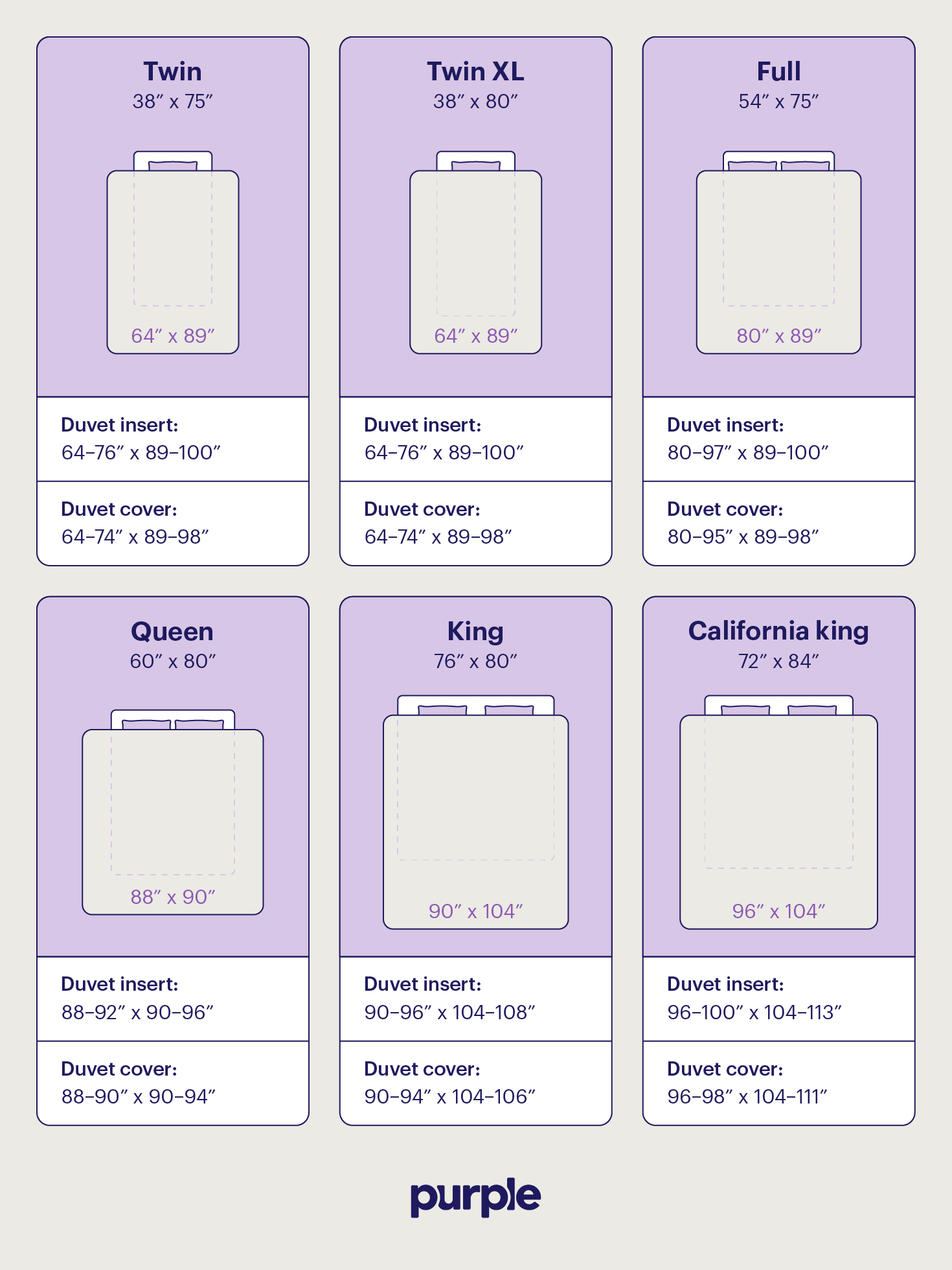
The single fastest way to transform a flat duvet is to use an oversized insert inside your cover. When the insert matches the cover size exactly, the fill has too much room to spread out, leaving corners empty and the surface looking thin.
Choose One Size Larger
For a Queen duvet cover, use a King-sized insert. This forces the fabric to stretch tightly across the fill, creating a taut, puffy surface with no saggy spots. The same principle applies to every bed size.
- Twin cover → Full insert
- Full cover → Queen insert
- Queen cover → King insert
- King cover → California King insert
This oversized approach mimics how high-end brands like John Robshaw design their comforters, intentionally building them larger than standard to maximize fullness.
Lock the Insert in Place
A larger insert can slide around inside the cover, which ruins the even, plump look. To prevent this, use the corner ties or internal loops found on most premium inserts. Attaching the insert to the cover keeps the fill evenly distributed and ensures consistent fluffiness from corner to corner.
Layer Two Inserts for Maximum Loft

If one oversized insert still does not deliver the volume you want, doubling up is the stylist-approved secret to that “giant marshmallow” look.
Combine Two Lightweight Inserts
Place two Queen inserts inside one Queen duvet cover. You can also pair a Queen and a Full insert for adjustable thickness. This layering creates serious loft without making the bed feel heavy, especially when you choose lightweight down or down-alternative fills.
Stay Cool While You Layer
Two inserts do not have to mean overheating. Choose breathable, high-loft materials that trap air without adding dense weight. This gives you the plush, magazine-worthy appearance while keeping the bed comfortable for sleeping.
Save Money by Stacking Affordable Inserts
Instead of buying one expensive high-loft comforter, stack two budget-friendly inserts. Stores like HomeGoods, TJ Maxx, and Amazon regularly offer clearance down or quality down-alternative inserts at a fraction of the retail price.
Choose High Fill Power and Baffle Box Construction
Not every duvet holds its fluff the same way. The fill power and stitching method determine how plump your duvet stays over months and years of use.
Understand Fill Power Ratings
Fill power measures how much space one ounce of down occupies in cubic inches. The higher the number, the more air the fill traps, and the fluffier the duvet.
- 400 to 500 fill power: Standard quality with decent loft
- 600 to 650+ fill power: Premium loft and long-lasting resilience
For a consistently fluffy duvet, aim for 650 fill power or higher. Brands like John Robshaw use 650-fill down specifically because it stays lofty far longer than lower-rated options.
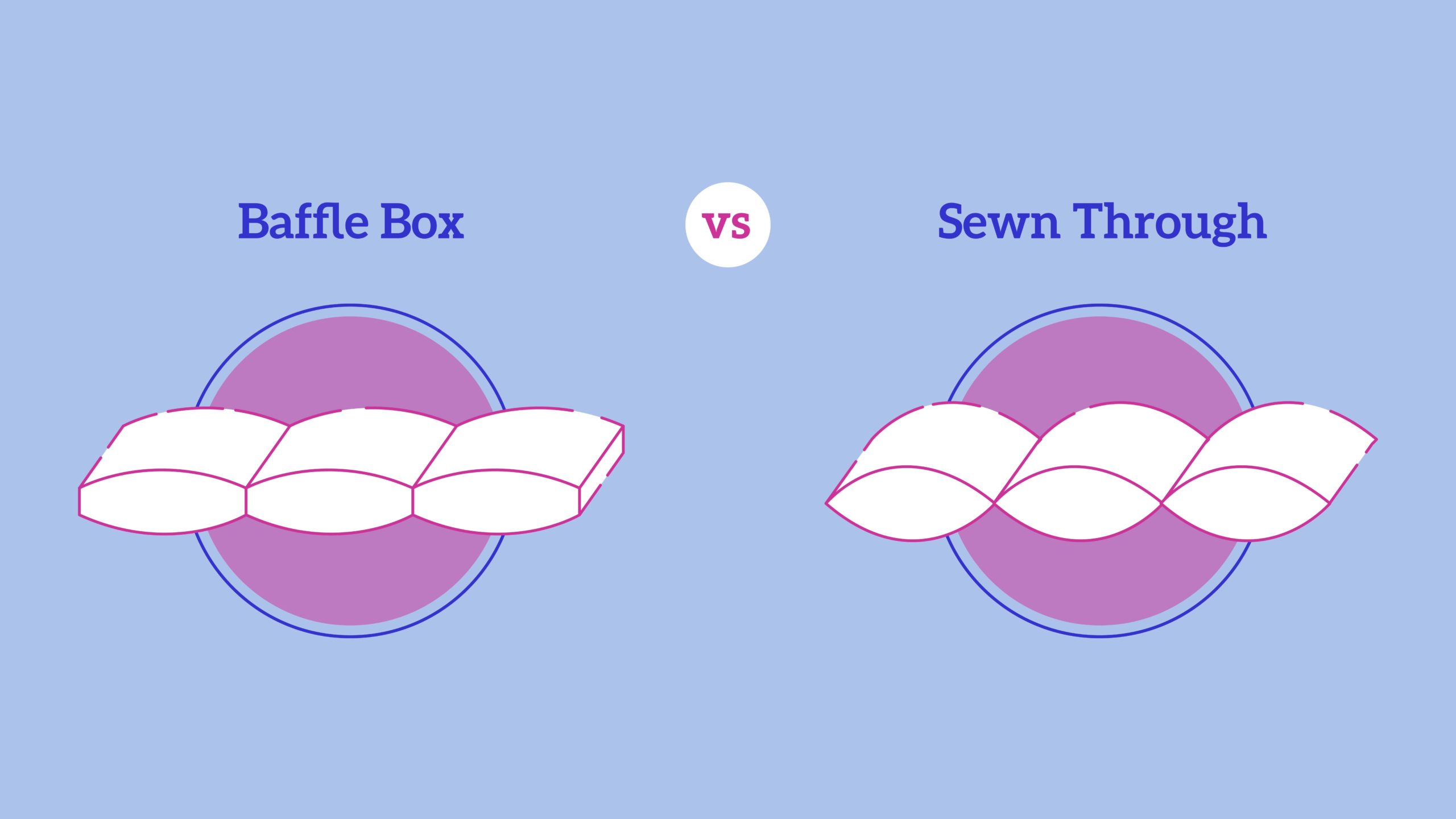
Pick Baffle Box Stitching Over Sewn-Through
Avoid comforters with sewn-through stitching, which compresses the fill at the seams and creates flat edges. Instead, choose baffle box construction, a design with three-dimensional fabric walls between the top and bottom layers. These walls let the fill expand fully, prevent shifting, and eliminate cold spots so the entire duvet stays evenly plump.
Look for Responsible Down Certification
If you choose real down, select products certified by the Responsible Down Standard (RDS). This certification ensures ethical sourcing and guarantees clean, high-quality fill that retains its loft over time.
Restore Flattened Duvets with the Dryer Method
Even the best duvets lose volume after months of sleep and compression. You do not need to replace it. You can revive the loft with a simple dryer trick.
Fluff with Tennis Balls on Low Heat
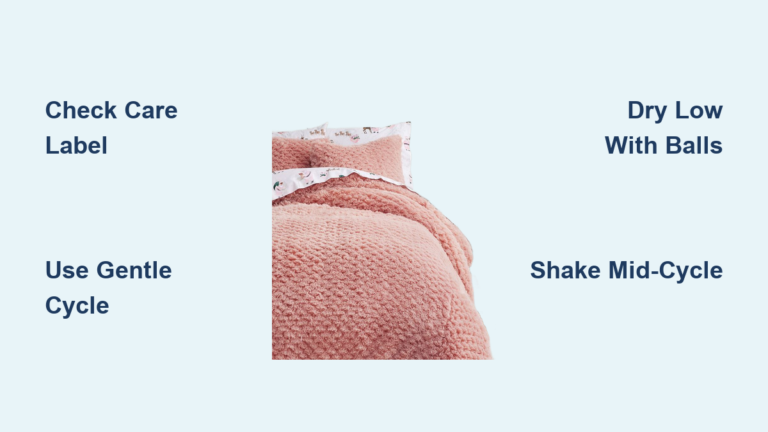
To bring back fullness, place the duvet or insert in a large dryer on a low-heat or air-only cycle. Add two or three clean tennis balls or wool dryer balls, then run the cycle for 20 to 30 minutes. The balls bounce against the fill, breaking up clumps and forcing air back into the fibers. This method works for both down and synthetic fills and can be repeated every few months.
Air It Out in the Sun
Hang your duvet outside or near a sunny window for a few hours. Sunlight and fresh air help expand the fibers and release trapped moisture that weighs the fill down. Avoid leaving it in direct, harsh sunlight for too long to prevent fabric fading.
Fluff by Hand Every Morning
Make daily fluffing part of your routine. Each morning, pull the duvet up to the head of the bed, shake it out, and use your hands to redistribute the fill, especially toward the corners. This small habit keeps the duvet looking full all week long.
Stuff Pillows Larger Than Their Covers

A flat pillow setup can make even the fluffiest duvet look underwhelming. The same oversized principle that works for duvets applies to pillows.
Size Inserts Two Inches Larger
For a 24-inch pillow cover, use a 26-inch insert. This creates tension across the fabric, eliminates wrinkles, and gives the pillow a perky, plump shape. Tight fabric equals visual fullness, and the difference is immediately noticeable.
Choose Down or Quality Down-Alternative Fills
Avoid flat fills like basic cotton or low-grade polyester. Instead, choose down, feather, or high-loft synthetic inserts that hold their shape and stay plump for years.
Find Budget Inserts at Clearance Stores
For premium inserts at low prices, shop the clearance aisles at HomeGoods, Marshalls, or TJ Maxx. You can often buy entire pillows at deep discounts, remove the insert, and donate or discard the cover. This gives you a luxury-quality insert for a fraction of the price. Avoid thrift store pillows due to the risk of bed bugs.
Soften the Look with the Karate Chop
Even perfectly stuffed pillows can look stiff and overly staged. A simple styling trick solves this in seconds.
Strike the Center of Each Pillow
Use the side of your hand to lightly hit the middle of each throw pillow. This creates a soft, inviting dent that makes the pillow look lived-in and cozy. The indentation signals comfort and makes the entire bed feel more welcoming.
Avoid Tiny Pillows on Large Beds
Pillows smaller than 20 inches can look out of place on a Queen or King bed. Stick to 20-inch or larger pillows for a balanced, substantial appearance. A well-proportioned stack includes:
- 2 sleeping pillows stacked at the back
- 2 to 3 Euro shams (26 inches) in the middle
- 1 to 2 accent pillows in front
This layered arrangement adds depth and enhances the visual fluffiness of the duvet.
Add Texture and Layers for Visual Volume

A fluffy duvet looks even better when surrounded by thoughtful layers. Texture and dimension make the entire bed feel thicker and more inviting.
Start with a Mattress Topper
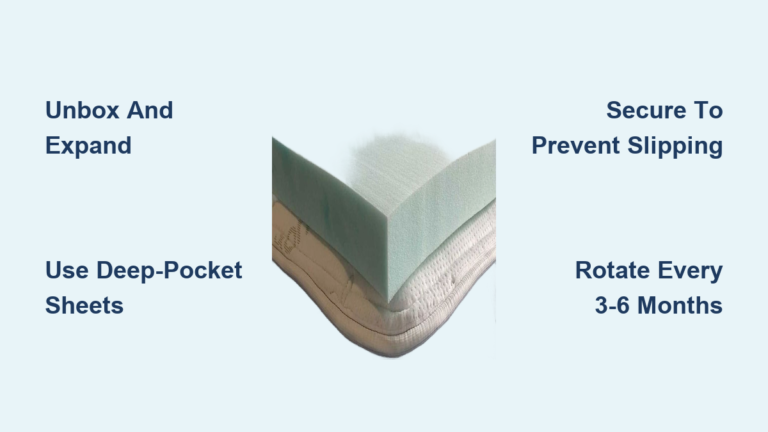
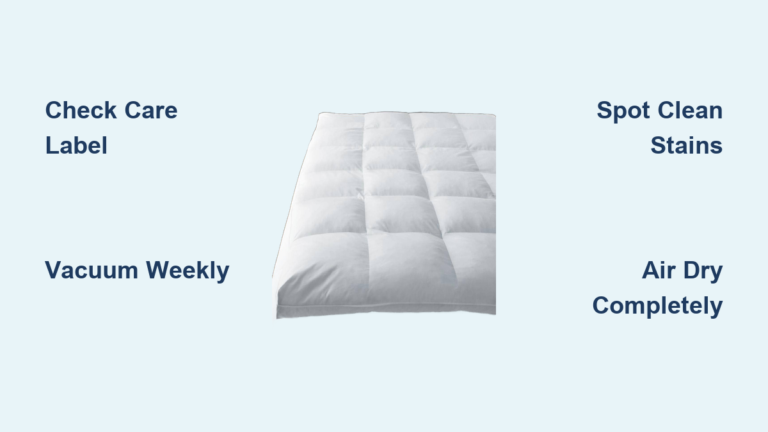
A 2 to 3-inch mattress topper lifts the bed surface and prevents a sunken look. A cooling or plush topper adds softness at the base, which supports the duvet’s volume and makes the whole bed feel more luxurious.
Fold Sheets for Added Thickness
After placing the fitted and flat sheets, fold the top edge of the flat sheet down about 6 inches. Layer a quilt or textured blanket just below the fold, then roll down the top third of all layers together. This creates visual bulk at the head of the bed and lets multiple textures peek through.
Drape a Chunky Throw at the Foot
Place a woven, knit, or quilted throw across the foot of the bed. Let it hang loosely and rumple it slightly for a relaxed, lived-in feel. In winter, choose thick knits. In summer, opt for lightweight linen weaves.
Avoid Common Mistakes That Kill the Fluffy Look
Small errors can undermine even the best bedding setup. Here is how to troubleshoot the most common problems.
Fix a Duvet That Still Looks Flat
If your duvet remains thin after trying these techniques, upgrade to a larger insert, layer two inserts, or restore the loft using the dryer method. Avoid comforters with low fill power or poor construction.
Prevent a Cluttered Appearance
Too many small pillows or throws make the bed look messy instead of styled. Stick to four to five well-placed pillows and one textured layer. Quality and proportion matter more than quantity.
Stop Overheating Under Thick Layers
Thick bedding can trap heat if the materials are not breathable. Choose linen, cotton, or down for airflow. Add a cooling gel mattress topper if needed, and use lightweight throws instead of one heavy blanket.
Frequently Asked Questions About Making a Duvet Look Fluffy
What is the fastest way to make a duvet look fluffy?
The fastest method is to insert a duvet that is one size larger than the cover. A King insert inside a Queen cover fills every corner and creates a taut, puffy surface instantly.
How do you restore fluff to a flat duvet?
Place the duvet in a dryer on low heat with two or three clean tennis balls. Run the cycle for 20 to 30 minutes. The balls break up clumps and force air back into the fill, restoring loft.
Does fill power really matter for fluffiness?
Yes. Fill power measures how much air the down traps. A duvet with 650+ fill power stays noticeably fluffier and more resilient than one with 400 to 500 fill power.
Can I layer two duvet inserts inside one cover?
Yes. Placing two lightweight inserts inside one cover is a common stylist trick for creating dramatic volume. It works best with breathable down or down-alternative fills.
How often should I fluff my duvet?
Fluff your duvet by hand every morning and use the dryer method with tennis balls every few months. This keeps the fill evenly distributed and prevents flat spots.
What pillow size makes a bed look fluffiest?
Use pillow inserts that are 2 inches larger than the covers. For example, pair a 24-inch cover with a 26-inch insert. This creates tension and a plump, perky appearance.
Key Takeaways for a Fluffy, Hotel-Worthy Duvet
Creating a plush, full duvet comes down to three essentials: volume, quality, and maintenance. Start by sizing up your insert or layering two inserts for maximum loft. Choose a duvet with 650+ fill power and baffle box construction so the fluff lasts. Restore flattened bedding with the dryer and tennis ball method, and fluff by hand daily to maintain the shape.
Pair your duvet with oversized pillow inserts and a few well-placed layers, and your bed will look like it belongs in a luxury suite. Pick one technique from this guide to try today, and you will see the difference the moment you make your bed.