How Often to Change Your Duvet: Quick Guide
You wake up cold, even under layers. Your duvet looks flat, lumpy, or smells musty—despite washing the cover. These are signs your duvet has reached the end of its life. Knowing how often to change a duvet isn’t just about comfort; it’s critical for hygiene, allergy prevention, and sleep quality. Unlike sheets or duvet covers, duvets aren’t replaced weekly, but their lifespan varies dramatically by material, care, and usage.
Most people wait too long to replace their duvet, unaware that degraded fill reduces warmth and accumulates allergens like dust mites, sweat, and dead skin. This guide cuts through the confusion with science-backed timelines, material-specific recommendations, and clear signs it’s time for a change. Whether you own a synthetic, down, or wool duvet, you’ll learn exactly when, and why, to replace it.
Duvet vs. Duvet Cover: Know the Difference
Many confuse the duvet insert with its cover. The duvet cover is the removable, washable outer layer that protects the insert, like a pillowcase for your comforter. It should be washed every 1–2 weeks, just like sheets.
The duvet insert is the thick, insulated core that provides warmth. It is not meant to be washed frequently and lasts years, not months. Replacing the cover regularly keeps the insert clean longer, extending its life and reducing how often you need to change the duvet itself.
Synthetic Duvets: Replace Every 2–5 Years
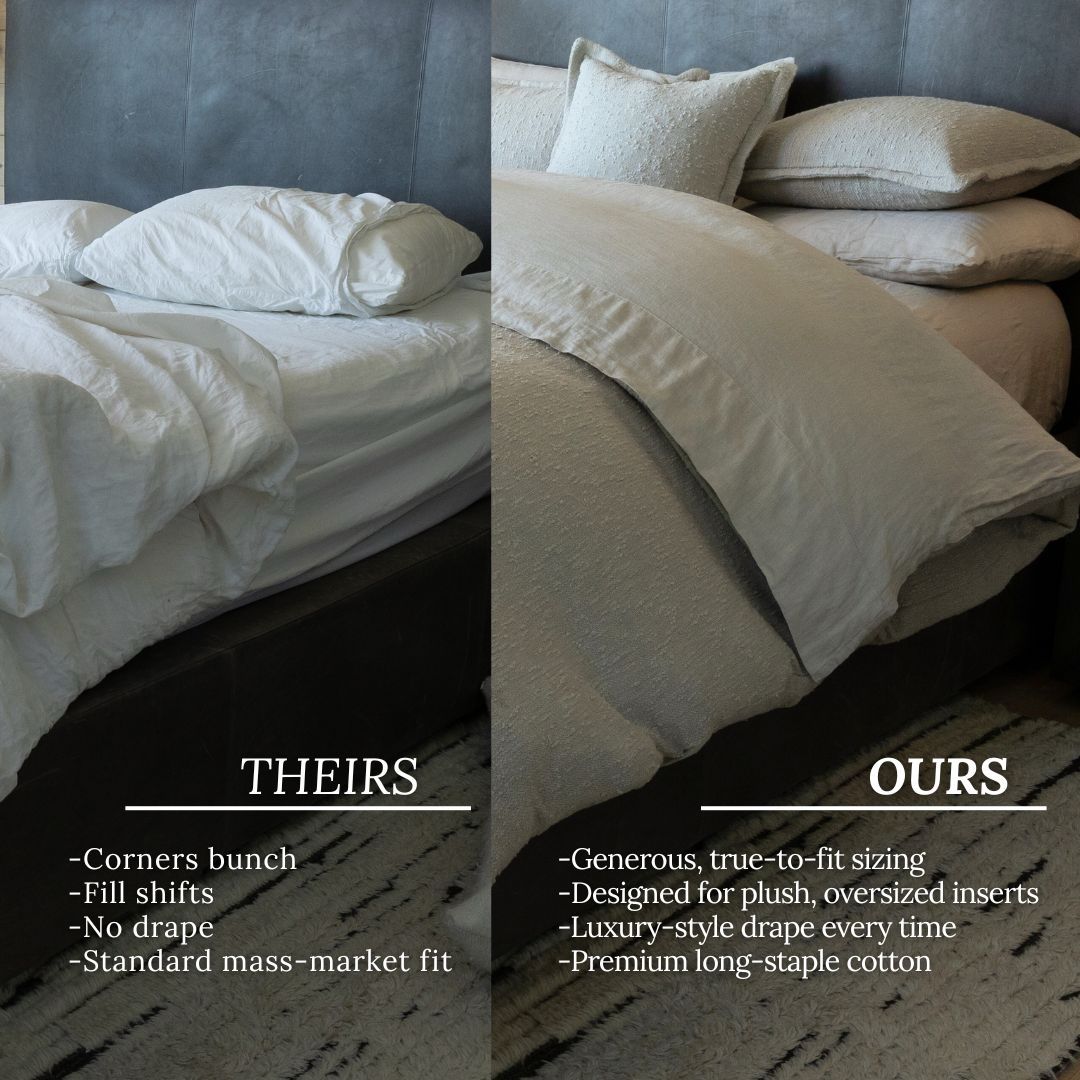
Synthetic duvets, made from polyester or microfiber, are affordable and hypoallergenic but degrade faster than natural fills.
Why Synthetic Degrades Faster
Synthetic fibers compress easily under body weight and moisture. Over time, they lose loft, the fluffiness that traps warm air. Once flattened, they provide less insulation, leaving you colder. They are also prone to clumping, especially after washing, which creates cold spots.
Signs It’s Time to Replace
- Duvet stays flat after shaking
- Noticeable lumps that won’t disperse
- Musty smell persists after airing
- Yellow stains visible through the cover
Even with proper care, most synthetic duvets should be changed every 2 to 5 years. High-quality versions may last longer, but performance declines significantly after year three.
Down and Feather Duvets: 5–10 Year Lifespan

Down and feather duvets offer superior warmth, breathability, and longevity, especially high-fill-power down.
What Affects Down Longevity
- Fill Power: Measured in cubic inches per ounce, higher fill power (600+) means better loft and longer life.
- Casing Quality: A tightly woven, high-thread-count shell prevents down leakage and maintains structure.
- Baffle Box Construction: Keeps fill evenly distributed and prevents shifting.
With proper care, a premium down duvet can last up to 10 years, and some even 20 with light use. However, most users see performance decline by year five due to compression and moisture buildup.
When to Change a Down Duvet
- Loss of puffiness and warmth
- Persistent clumping after drying
- Feathers poking through the fabric
- Allergy symptoms worsen at night
If you sleep hot or sweat heavily, consider replacing down duvets closer to the 5-year mark to avoid moisture damage.
Wool Duvets: Last 10+ Years with Minimal Care
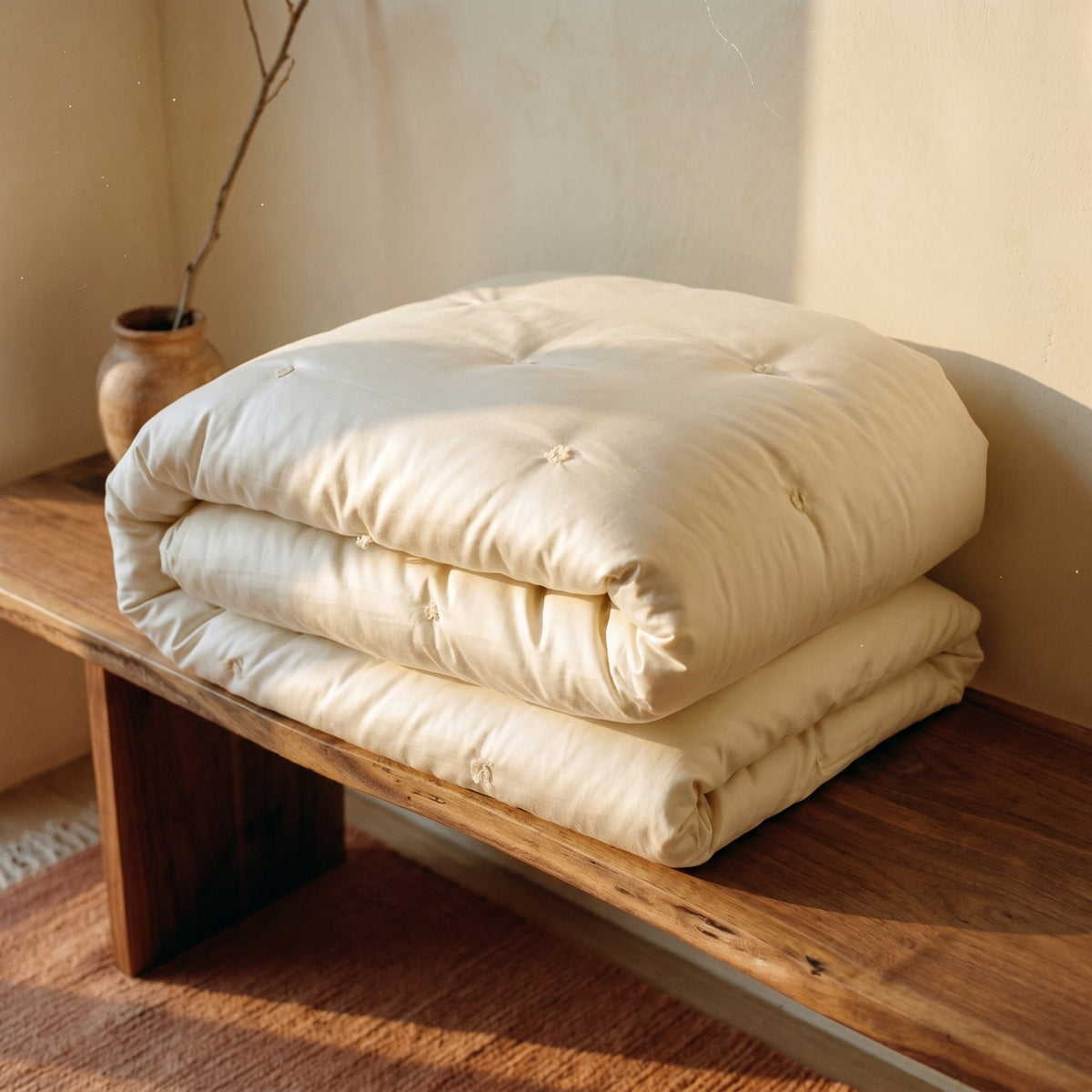
Wool is the most durable duvet filling, naturally resistant to mold, dust mites, and odors.
Why Wool Lasts Longer
Wool fibers are elastic and resilient, retaining loft even after years of compression. They wick moisture away efficiently, reducing the risk of mildew. Plus, wool has self-cleaning properties, so sunlight and fresh air refresh it without washing.
How Often to Change a Wool Duvet
You may never need to replace a well-maintained wool duvet. Most last 10 to 15 years, with some exceeding 20. However, performance can dip if stored improperly or exposed to prolonged dampness.
Replace when:
- It feels heavy or damp
- Develops a sour odor unresponsive to airing
- Shows signs of mold or fabric wear
For optimal hygiene and function, consider refreshing or replacing wool duvets after a decade of daily use.
Cleaning vs. Replacing: What’s the Right Schedule?
Washing your duvet extends its life, but only if done correctly and infrequently.
How Often to Wash a Duvet
- General Use: Every 6 to 12 months
- Allergies/Pets/Night Sweats: Every 3–6 months
- Wool Duvets: Never machine wash. Air in sunlight 2–4 times per year instead
Over-washing damages fibers, especially synthetics. Always check the care label, as many down and wool duvets require professional cleaning.
Best Cleaning Practices
- Use a large-capacity washer (front-load preferred)
- Choose mild, non-bleach detergent
- Dry on low heat with dryer balls to break up clumps
- Ensure 100% dryness to prevent mold
Spot-clean stains immediately to avoid full washes.
Key Signs You Need a New Duvet

Don’t wait for rips or leaks. Replace your duvet when you notice these signs:
Loss of Warmth
If you’re adding blankets or feeling colder, the fill has compressed. Air pockets that once trapped heat are gone. This thermal decay means your duvet no longer insulates effectively.
Flattened or Lumpy Fill
A quick fold test can diagnose this: fold the duvet in half. If it stays folded or takes seconds to rebound, the fibers have lost elasticity. Lumps that won’t shake out indicate broken baffles or degraded fill.
Persistent Odors or Stains
Musty smells or yellow stains that survive washing mean deep contamination. Body oils, sweat, and bacteria have saturated the fibers, creating a breeding ground for dust mites.
Allergy Flare-Ups
Sneezing, itchy eyes, or congestion when you go to bed? Your duvet may be hosting allergens. Replacement often brings immediate relief.
Visible Wear and Tear
Holes, thinning fabric, or escaping filling mean the casing has failed. Once fibers escape, the duvet can’t be restored.
Maximize Lifespan: 5 Maintenance Tips

Extend how often you need to change a duvet with smart care.
Use a Duvet Cover
This is the #1 way to protect your insert. A breathable, washable cover blocks sweat, oils, and spills, reducing the need for deep cleaning.
Fluff Daily
Shake and fluff your duvet every morning. This redistributes fill and restores loft, counteracting overnight compression.
Air Seasonally
Take your duvet outside 2–4 times a year. Sunlight kills bacteria and freshens fibers. Avoid prolonged UV exposure; 2–3 hours is enough.
Store Properly
When switching seasons, store in a cool, dry, ventilated space. Never vacuum-seal natural fills, as this crushes loft permanently. Use a cotton storage bag instead.
Wash Gently and Sparingly
Only wash when necessary. Follow care labels exactly. For down or wool, professional cleaning is often safest.
Duvet vs. Comforter: Does It Affect Replacement?

Yes. A duvet uses a removable cover, protecting the insert and extending its life. A comforter is a single unit with decorative fabric exposed to direct contact.
Because comforters absorb more sweat and require frequent washing, they degrade faster, even with the same fill. As a result:
- Duvets: Last longer (5–20 years)
- Comforters: Typically replaced every 5–10 years
Using a duvet system is a smarter investment for longevity.
Sustainable Disposal: What to Do With Old Duvets
Don’t toss your old duvet in the trash.
Repurpose It
- Use as pet bedding
- Cut into cushions or draft stoppers
- Pack for camping or guest rooms
Donate Wisely
Animal shelters often accept clean, intact bedding for animal comfort. Call first to confirm.
Recycle
Textile recycling programs accept old duvets. Fibers can be turned into insulation or industrial rags, reducing landfill waste.
Reduce Waste Proactively
The best sustainability strategy? Extend your duvet’s life with covers, airing, and proper storage.
Frequently Asked Questions About Duvet Replacement
How do I know when my duvet needs replacing?
Look for flattened loft, persistent lumps, musty odors, yellow stains, or increased allergy symptoms at night. If the duvet no longer keeps you warm or fails the fold test, it’s time for a new one.
Can a duvet last 20 years?
Premium down and wool duvets can last up to 20 years with exceptional care and light use. However, most experts recommend replacing natural-fill duvets closer to the 10-year mark for optimal hygiene and thermal performance.
Is it bad to use an old duvet?
Yes. Old duvets harbor dust mites, bacteria, and mold, which can trigger allergies, asthma, and skin irritation. They also lose insulating ability, leading to poor sleep quality.
How often should you wash a duvet?
Wash your duvet every 6 to 12 months for general use, or every 3 to 6 months if you have allergies, pets, or night sweats. Wool duvets should never be machine-washed; air them in sunlight instead.
What’s the difference between a duvet and a comforter?
A duvet is an insert used with a removable cover, while a comforter is a single, standalone piece. Duvets typically last longer because the cover protects the insert from frequent washing.
Final Verdict on How Often to Change a Duvet
The answer depends on material, care, and usage:
| Material | Replace Every | Wash Every |
|---|---|---|
| Synthetic | 2–5 years | 6–12 months |
| Down/Feather | 5–10 years | 6–12 months |
| Wool | 10+ years | Air only (no wash) |
Bottom Line: Most people should plan to change their duvet every 5 years as a baseline. High-quality natural fills can go longer, but performance and hygiene decline over time, even if it looks fine.
Replace sooner if you notice:
- Cold spots
- Flatness
- Odors
- Allergies
Your duvet plays a critical role in sleep quality. Changing it on schedule ensures warmth, cleanliness, and restful nights for years to come. Start by checking your duvet’s age today and assessing its loft, warmth, and cleanliness.