How to Clean Wool Mattress Topper
If you own a wool mattress topper, you know how luxurious and temperature-regulating it feels. But when it comes to cleaning, many people make the mistake of treating it like cotton bedding, only to end up with a shrunken, matted mess. The truth is, you should never machine wash or tumble dry a wool mattress topper unless explicitly approved by the manufacturer. Wool’s natural properties make it self-cleaning in most cases, but improper care can permanently damage its structure. This guide reveals the safe, effective ways to maintain your wool topper without ruining it.
Why Machine Washing Ruins Wool Toppers

Wool fibers are delicate and respond poorly to heat, moisture, and agitation. Understanding why helps prevent irreversible damage to your investment.
How Felting Destroys Wool Fibers
Wool fibers have microscopic scales on their surface. When exposed to hot water and movement like in a washing machine, these scales interlock and felt, causing the material to shrink and harden. A full-sized wool topper can weigh over 40 lbs when wet, increasing stress on both the fibers and your machine. Once felted, the damage is permanent. The topper loses its fluffiness, becomes lumpy, and may no longer fit your mattress.
Why Lanolin Matters for Cleaning
Natural wool contains lanolin, a waxy substance that repels water, resists odors, and inhibits bacteria and dust mites. Regular detergents strip this protective layer, leaving the wool vulnerable to staining and microbial growth. Using non-wool-safe products compromises both hygiene and comfort. The lanolin also contributes to wool’s natural self-cleaning ability, meaning less washing is actually better for your topper.
The Moisture Drying Challenge
Wool can absorb up to 30% of its weight in moisture without feeling damp, but drying it fully takes time. Trapped moisture leads to mold, mildew, and musty smells, especially if the core remains wet. Tumble drying introduces heat that felts fibers, so air drying flat is the only safe method, and it can take 1 to 3 days depending on thickness and humidity.
Essential Daily Care Routines for Wool Toppers
Prevention beats cleaning. These simple routines keep your wool topper fresh without water exposure.
Morning Airing Protocol
Pull back the covers each morning for 1 to 2 hours. This allows overnight moisture, wicked away by wool during sleep, to evaporate. It supports wool’s natural self-cleaning ability and reduces odor buildup. This simple habit significantly extends the time between deep cleanings and protects the fiber structure.
Using the Right Protector
Place a 100% cotton or wool protector between your body and the topper. Avoid plastic-backed or waterproof covers because they trap heat and sweat, defeating wool’s thermoregulation. Wash the protector every 1 to 2 weeks in cold water with mild detergent. The protector acts as your first line of defense against stains and sweat.
Monthly Vacuuming Guidelines
Use a handheld vacuum or upholstery attachment on low suction. Never use a beater bar because it pulls and damages wool fibers. Light vacuuming removes dust, skin cells, and pet dander without risking felting. Always vacuum a completely dry topper to avoid pushing moisture deeper into the batting.
Safe Deep Cleaning Methods for Wool Toppers
When your topper needs more than airing, follow these low-risk strategies that protect the fiber integrity.
Sunlight Airing Method
Sunlight naturally disinfects and deodorizes wool without moisture. Remove all bedding and lay the topper flat in direct sun for 2 to 6 hours, rotating halfway for even exposure. UV rays kill bacteria, mold spores, and dust mites while reactivating lanolin and restoring loft. Perform this every 2 to 4 weeks, or at minimum seasonally. In humid climates, place near a fan or dehumidifier if outdoor airing is not possible.
Baking Soda Deodorizing
For odor control between airings, sprinkle a light layer of baking soda over the surface and let sit for 1 to 2 hours. Vacuum thoroughly with an upholstery tool. Baking soda neutralizes acids from sweat without moisture, making it safe for weekly use. This method is ideal for households with pets or heavy sweaters.
Spot Cleaning Stains Safely
Only spot clean for localized stains like sweat, urine, or spills. First, blot do not rub using a clean cloth to absorb liquid and prevent pushing moisture deeper. Mix 1 teaspoon of pH-neutral wool detergent in 1 cup of cool water. Dab gently with a damp cloth, never soaking the area. Rinse by blotting with clean water to remove soap residue. Press with a dry towel, then air dry completely using a fan, not heat, for 6 to 48 hours.
Treating Organic Stains
After blotting urine or sweat stains, apply lemon juice to break down residue. Rinse and air dry in sunlight because UV helps sanitize. Optional: Make a paste of baking soda, salt, and cold water, let dry, then brush off. Avoid vinegar unless approved by the manufacturer because its acidity can degrade wool over time.
Can You Machine Wash a Wool Mattress Topper?
The short answer is generally no, but there are rare exceptions worth knowing about.
When Machine Washing Is Forbidden
Most wool mattress toppers must not be machine washed. The reasons are compelling. Extreme weight when wet risks tearing both the topper and your machine. Agitation causes felting and shrinkage. Incomplete drying leads to mold. Detergents strip lanolin, reducing hypoallergenic benefits. One user reported machine washing their topper and ending up with a shrunken, rigid pad that no longer fit the bed.
Exception: Treated Wool Only
Some brands use anti-felting treatments that stabilize fibers. Woolroom allows machine washing on cold, gentle cycle with treated wool. Putnams Natural specifies dry-clean only, not machine washable. Always check the care label first and never assume washing is safe.
If Machine Washing Is Allowed
If your manufacturer explicitly permits machine washing, use cold water only and select delicate or wool cycle. Use wool-safe detergent with no bleach or softener. Skip high spin, using gentle extraction only. Never lift the topper while wet; slide or drag it to the drying area instead.
When Hand Washing Your Wool Topper Is Necessary
Hand washing is high risk and should only be attempted as a last resort for small toppers.
When It Might Be Possible
Hand washing might be feasible for smaller units like twin size or layered designs, if you have access to a large clean bathtub, and if you can commit to drying flat for 2 to 3 days. Even with careful technique, clumping or shrinkage remains possible.
Step-by-Step Hand Washing Process
Fill the tub with cool water never warm and add wool-safe detergent. Submerge gently without agitating, twisting, or wringing. Soak for 10 to 30 minutes. Drain and press out water with hands or towels. Transfer flat, never lifting by corners. Dry on clean towels or mesh rack, flipping regularly until completely dry.
Proper Drying Techniques to Prevent Wool Topper Damage
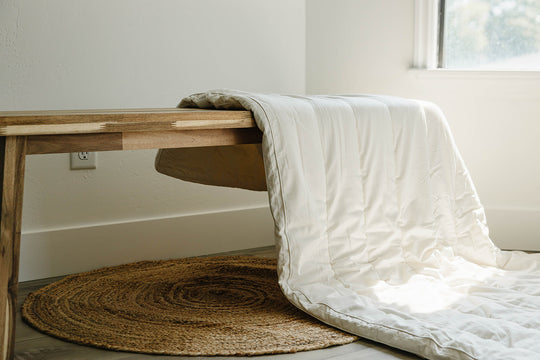
Improper drying ruins more wool toppers than any other step. This section is critical.
Why Tumble Drying Is Dangerous
Heat even on air fluff setting causes irreversible felting and shrinkage. Unless the label explicitly permits tumble drying, it is completely unsafe. The heat destroys the protein structure of wool fibers, permanently compromising comfort and support.
Safe Flat Drying Methods
Lay the topper flat only on wooden floor, clean towels, or mesh drying rack. Avoid prolonged sun exposure because UV is great for airing but extended direct light dries out fibers. Use a fan or dehumidifier to speed drying in humid areas. Check core dryness by pressing into the center; if it feels cool or damp, keep drying. Time required is typically 1 to 3 days depending on thickness and humidity. Never return a damp topper to the bed because trapped moisture breeds mold and degrades fibers.
When Dry Cleaning Your Wool Topper Makes Sense
Not all dry cleaners are safe for natural wool. Proceed with extreme caution.
Why Dry Cleaning Is Risky
Some eco methods like CO² cleaning have caused 1 to 2 inch shrinkage in real cases. Chemical residues may affect breathability and skin sensitivity. Most manufacturers do not recommend dry cleaning unless specified.
How to Minimize Risks
Choose a cleaner experienced with natural fiber bedding. Specify untreated organic wool and cotton, no agitation or water-based processes, and low-chemical low-moisture method. Get the process confirmed in writing before proceeding. For example, Putnams Natural 100% British Wool Topper is labeled dry-clean only, so professional service is required for deep cleaning.
Professional Services for Restoring Wool Toppers
For high-end or heavily used toppers, consider expert restoration options.
Re-Carding for Loft Recovery
Some companies offer mechanical fluffing called re-carding to realign compressed fibers and restore bounce. Providers include Surround Ewe, Shepherd’s Dream, and Woolroom. This service is best for toppers used 3 or more years with noticeable flattening.
Controlled Laundering Options
Specialty cleaners may use pH-balanced baths under strict conditions. Only use this option if the manufacturer approves and home methods are not enough. This is rare and typically unnecessary for most users.
Common Mistakes That Destroy Wool Toppers
Avoid these common errors that ruin wool toppers permanently.
• Machine washing untreated wool causes felting, shrinkage, and clumping
• Tumble drying destroys fiber structure with irreversible shrinkage
• Submerging fully leads to waterlogging and uneven drying
• Using hot water sets protein stains and felts wool
• Scrubbing stains damages fiber scales and causes pilling
• Beating or shaking breaks fibers and creates lumps
• Steam cleaning adds excess moisture when wool is already antibacterial
• Using regular detergent strips lanolin and weakens fibers
• Storing in plastic traps moisture and promotes mildew
• Folding tightly long-term causes permanent creases
Wool Topper Care by Brand
Always follow your manufacturer instructions because care varies significantly.
Woolroom Guidelines
Woolroom uses treated wool that is machine washable on cold gentle cycle. Still recommends monthly airing and biannual flipping. Avoid frequent washing because wool self-cleans.
Devon Duvets Requirements
Devon Duvets specifies no machine, hand, or dry cleaning. Spot clean only with wool-safe detergent. Emphasize sun airing and cotton protectors.
Savvy Rest Instructions
Do not wash the organic wool casing. Spot clean cautiously. Dry cleaning is possible but not guaranteed. Use light vacuuming with hand attachment only.
Shepherd’s Dream and Surround Ewe
Sun airing is the primary care method. No washing unless absolutely necessary. Improper cleaning voids warranty.
Putnams Natural Requirements
Dry-clean only for 100% British wool topper. No machine or hand washing. Use fiber-specialist cleaner.
Storing Your Wool Topper Long-Term
Keep your topper in top condition for 10 or more years with proper storage.
Storage Rules
Dry completely before storing. Use breathable cotton bag, never plastic. Store in cool, dry, ventilated area. Air out before reuse after storage.
Rotation and Flipping Schedule
Rotate monthly to prevent body impressions. Flip if double-sided. Normal 30 to 40% compression occurs in first 6 months; rotate to even it out.
Natural Odor Control Methods
Sunlight is the best natural deodorizer. Use baking soda weekly or biweekly. Avoid synthetic sprays because they leave residues.
Signs of Improper Wool Topper Cleaning
Know the warning signs of damage to prevent further issues.
| Problem | Cause | Result |
|---|---|---|
| Shrinkage | Heat plus agitation | No longer fits mattress |
| Clumping | Wet batting not dried evenly | Lumpy, uneven support |
| Loss of Loft | Water weight plus heat | Flat, less comfortable |
| Fiber Breakdown | Lanolin stripped | Shorter lifespan, more odors |
| Musty Smell | Damp core | Mold, bacteria, permanent odor |
Improper cleaning can cut a wool topper lifespan by up to 50%.
Frequently Asked Questions About Cleaning Wool Mattress Toppers
Can I machine wash my wool mattress topper?
Most wool mattress toppers should not be machine washed. Only machine wash if the manufacturer explicitly approves it, which is rare. Untreated wool felts and shrinks when exposed to heat, agitation, and standard detergents.
How often should I air my wool mattress topper?
Air your wool mattress topper every 2 to 4 weeks in direct sunlight. This frequency eliminates odors, kills bacteria, and reactivates lanolin without using water. In humid climates or during heavy use, consider airing more frequently.
What happens if I put my wool topper in the dryer?
Tumble drying causes irreversible felting and shrinkage, even on air-only or low-heat settings. The heat permanently damages the protein structure of wool fibers. Always air dry flat, which takes 1 to 3 days depending on thickness.
Can I use vinegar to clean my wool topper?
Avoid vinegar unless approved by the manufacturer. Vinegar’s acidity can degrade wool fibers over time with repeated use. For spot cleaning, use only pH-neutral wool-safe detergents.
How do I remove odors from my wool topper without washing?
Sprinkle a light layer of baking soda over the surface, let sit for 1 to 2 hours, then vacuum thoroughly. Combine with sunlight airing for best results. This method neutralizes odors without moisture exposure.
When should I seek professional cleaning for my wool topper?
Seek professional cleaning every 1 to 2 years for deep soiling or annual refresh. Choose a cleaner experienced with natural wool bedding and specify low-chemical, low-moisture methods. Always confirm the process in writing first.
Key Takeaways for Cleaning Your Wool Mattress Topper
The best way to clean a wool mattress topper is to not wash it at all. Regular sunlight airing, spot cleaning, and preventative care keep it fresh, hygienic, and comfortable for over a decade. Never machine wash or tumble dry unless the manufacturer explicitly approves it, which applies only to treated wool products. Use breathable cotton protectors, air daily, and deodorize with baking soda to minimize deep cleaning needs. When in doubt, air it out not wash it. By following these guidelines, you protect your investment, maintain warranty coverage, and enjoy deeper, healthier sleep for years to come.