How to Clean Mattress Topper Stains: Easy Steps
Waking up to a stained mattress topper happens more often than you might think, whether it’s from sweat, spilled coffee, or late-night accidents. Learning how to clean mattress topper stains properly can extend its lifespan, prevent lingering odors, and keep your sleep surface hygienic. The secret lies in acting fast, using the right method for your specific topper material, and avoiding excess moisture that can damage foam or promote mold growth. This guide covers proven stain removal techniques, material-specific care instructions, and preventive strategies so you can tackle any spill with confidence.
Identify Your Mattress Topper Material
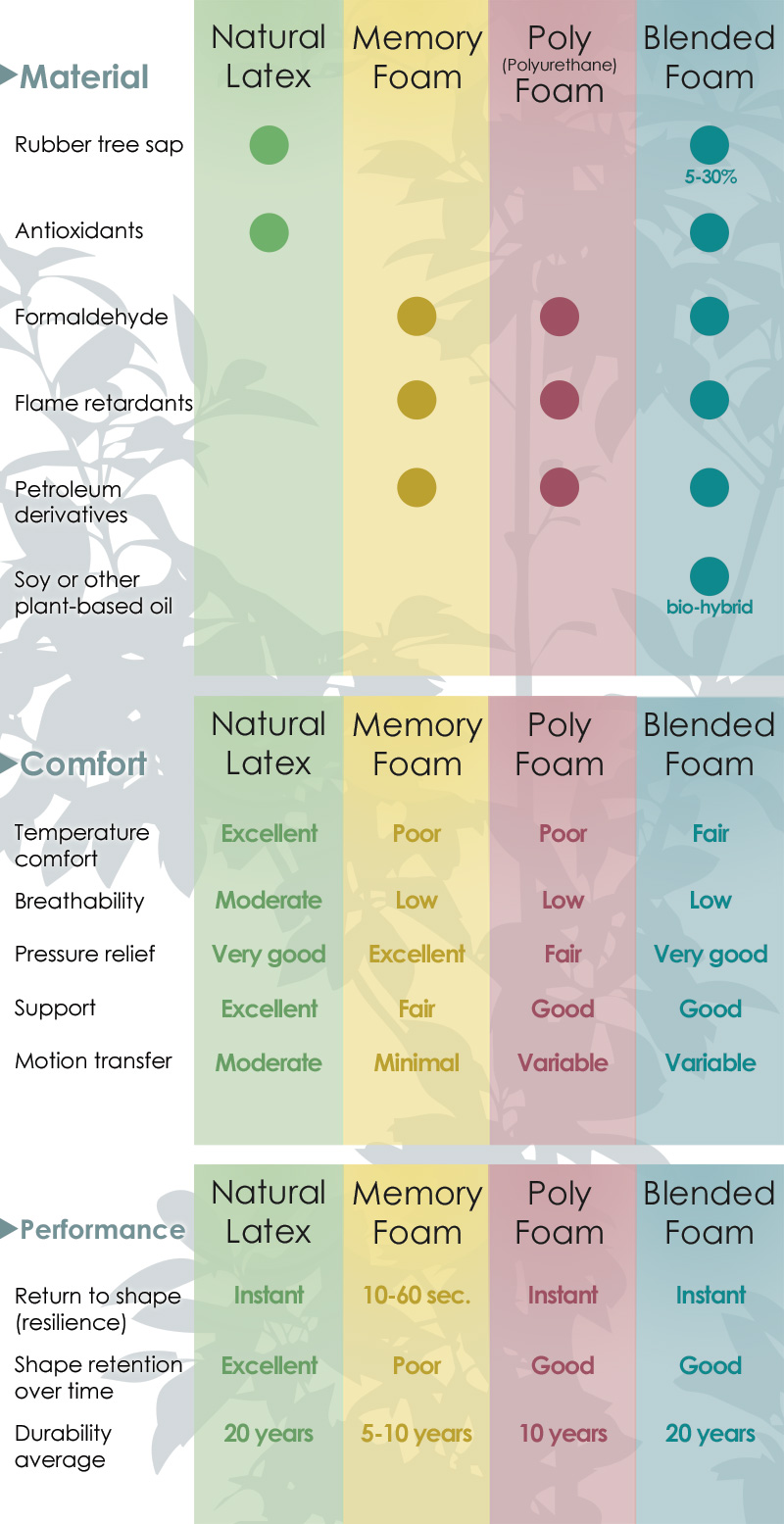
Before cleaning, determine what your topper is made of, as each material responds differently to water, cleaners, and agitation.
Memory Foam: Handle With Care
Memory foam absorbs liquids readily and can degrade if saturated. Never machine wash or submerge it. Spot clean using a mild solution of dish soap diluted in cold water. Blot gently with a clean cloth, then allow 12 to 24 hours for complete air drying. Avoid hydrogen peroxide unless you have tested it in an inconspicuous area first, as it may bleach or break down the foam structure.
Latex: Resilient but Moisture-Sensitive
Natural latex tolerates light moisture but must never be soaked. Mix one part dish soap with two parts water, apply with a soft cloth, wait 15 minutes, then wipe clean. Dry flat in a shaded, well-ventilated area. Never wring or fold latex when damp, as this can cause permanent damage.
Gel-Infused Foam: Treat Like Memory Foam
The gel particles can break down under harsh chemicals. Stick to gentle cleaners and avoid bleach, acetone, or abrasive scrubbing. Vacuum regularly with a soft brush attachment to prevent pores from becoming clogged with debris.
Down or Feather: Machine Wash Only If Permitted
Check the care label before washing. If machine washable, use a gentle cycle with cool water and mild detergent. Dry on low heat with clean tennis balls to restore fluffiness. For spot cleaning, dab with cold water and mild soap, but never soak the filling.
Wool: Avoid Water at All Costs
Wool fibers felt and shrink when wet. Spot clean using a pH-neutral detergent applied to a damp cloth. Blot the stain gently rather than rubbing. Air dry flat away from direct heat sources. Never machine wash or tumble dry wool toppers.
Immediate Stain Response: Act Fast
The faster you respond to a spill, the easier it is to remove the stain completely.
Blot, Never Rub
Use clean, absorbent towels to press down firmly on spills. Replace towels as they become saturated. Rubbing spreads the stain and forces liquid deeper into the foam or fiber fill.
Strip the Bed Immediately
Remove sheets, mattress protectors, and blankets right away. This prevents cross-contamination and lets you begin treating the topper without delay.
Test Cleaners First
Always perform a patch test in a hidden corner of the topper. Apply a small amount of cleaner, wait 10 minutes, and check for discoloration or texture changes before proceeding with the full stain.
Match Cleaner to Stain Type
Using the right solution for your specific stain dramatically improves your chances of complete removal.
• Blood: Cold water and diluted hydrogen peroxide
• Urine: Enzyme cleaner, baking soda, or vinegar solution
• Vomit: Enzyme cleaner or vinegar with dish soap
• Coffee or Tea: Vinegar and dish soap mixture
• Wine: Salt and cold water
• Oil or Lotion: Dish soap and baking soda
• Sweat: Vinegar or baking soda
Remove Blood Stains Without Setting Them
:max_bytes(150000):strip_icc()/how-to-get-blood-out-of-mattress-5217132-2b75569f16d34b3383e5bf4c3b63d165.png)
Blood contains proteins that permanently set when exposed to heat.
Use Cold Water Only
For fresh blood stains, blot repeatedly with cold water only. Warm or hot water coagulates the proteins, making the stain impossible to remove.
Apply Hydrogen Peroxide With Caution
Mix 3 percent hydrogen peroxide with equal parts water. Spray or dab the solution onto the stain. It will foam as it breaks down proteins. Blot away the foam with a clean cloth. Always test peroxide on an inconspicuous area first, as it can bleach memory foam.
Try the Extended Peroxide Treatment
For older, set-in blood stains, spray hydrogen peroxide directly on the spot. Cover with a white cloth, spray again through the fabric, and leave it for 12 hours. Wipe gently and repeat if necessary. This slow treatment penetrates deep-set proteins without over-wetting the foam.
Eliminate Urine Stains and Odors
For Human Urine
Mix in a spray bottle 8 ounces of hydrogen peroxide, 3 tablespoons of baking soda, and half a teaspoon of dish soap. Shake gently to combine without creating foam. Spray lightly on the stain, wait 10 minutes, then blot dry with a clean towel. Repeat if needed. Finish with a baking soda treatment to neutralize any remaining odor.
For Pet Urine
Enzyme-based cleaners like Nature’s Miracle break down uric acid crystals and eliminate the scent that draws pets back to the same spot. Blot up as much liquid as possible, place paper towels over the area and weigh them down for 10 to 15 minutes, then apply the enzyme cleaner generously. Wait 15 minutes, blot thoroughly, and allow to air dry completely.
Clean Vomit Stains Step by Step
Vomit combines proteins, acids, and food particles, requiring a multi-step approach.
Scrape and Blot First
Use a plastic scraper or old credit card to remove solid matter. Blot remaining liquids with absorbent towels.
Apply Baking Soda
Sprinkle a thick layer of baking soda over the affected area. Let it sit for 15 to 30 minutes to absorb moisture and neutralize odor. Vacuum thoroughly.
Use Enzyme Cleaner or DIY Solution
Apply a mixture of three-quarters cup warm water, one-quarter cup vinegar, and one tablespoon dish soap. Let sit for 15 minutes, then blot dry. Allow to air dry completely and reapply baking soda if any odor remains.
Remove Coffee and Tea Stains
Tannins in coffee and tea cause stubborn yellow-brown discoloration.
Blot Immediately
For fresh spills, blot with a dry towel. If the stain has dried, lightly dampen the area with warm water.
Use Vinegar and Dish Soap
Dip a cloth in a mixture of vinegar and dish soap. Blot from the outside edges inward to prevent spreading the stain. Rinse with a cold-water-dampened cloth, then blot dry.
For Milk or Sugar Spills
Use diluted laundry detergent. Apply, blot, rinse thoroughly, and dry. Sugar residue attracts bacteria, so rinsing completely is essential.
Tackle Red Wine Stains Before They Set
Wine contains pigments and tannins that bond quickly with fibers.
Use Salt to Draw Out Color
Blot the wine with a towel, then dab with cold water and blot again. Sprinkle generous amounts of salt over the spot, wait 3 minutes, and gently rub in with a cloth. Blot until no color transfers to the cloth. Air dry completely. Never use hot water, as it sets the stain permanently.
Clean Oily Stains From Lotions or Grease
Oil can oxidize and yellow foam over time if not addressed.
Start With Baking Soda
Sprinkle baking soda liberally on the stain. Let sit for 20 to 30 minutes to absorb the oil. Scrape off the excess and vacuum thoroughly.
Apply Dish Soap
Mix Dawn dish soap with warm water. Dab onto the stain using a cloth, using only the foam rather than liquid soap. Blot with a dry towel and repeat if necessary.
Deodorize With Baking Soda
Even after removing stains, odors may linger in the topper.
Apply Generously
Sprinkle a thick layer of baking soda over the entire surface. For strong odors, leave it overnight.
Vacuum Thoroughly
Use a handheld vacuum or upholstery attachment. Ensure all powder is removed, as residue can feel gritty against the skin.
Dry Completely to Prevent Mold
A damp topper creates the perfect environment for mold, mildew, and bacteria.
Use Fans and Ventilation
Place the topper in a well-ventilated room with fans creating cross-airflow. Open windows when humidity is low.
Try Indirect Sunlight
UV light disinfects and speeds drying. Place outside for 2 to 4 hours maximum, as prolonged sun exposure degrades foam.
Avoid These Drying Methods
Never use a clothes dryer, hair dryer, steam cleaner, or direct heat. These can melt foam, cause shrinkage, or add unwanted moisture.
Clean Removable Covers Separately
Toppers with washable covers are easier to maintain.
Wash the Cover Properly
Machine wash in cool water on a gentle cycle with mild detergent. Do not use bleach or fabric softener. Air dry or tumble dry on low heat.
Spot Treat Tough Stains
Use a baking soda and vinegar paste, enzyme cleaner, or dish soap foam. Gently scrub with a soft brush, then rinse and dry.
Prevent Stains Before They Happen
Use a Waterproof Mattress Protector
A quality protector blocks liquids from reaching the topper while remaining breathable. Look for elastic edges and materials like TENCEL or bamboo. Machine wash regularly for easy care.
Rotate and Air Out Monthly
Turn the topper every 3 to 6 months to prevent sagging. Air it out uncovered for a few hours every time you change the sheets.
Vacuum Every 2 to 3 Months
Use a soft brush or upholstery attachment to remove dust, allergens, and dead skin cells. Vacuum more frequently if you have allergies or pets.
Final Checklist: Clean a Mattress Topper in 10 Steps
- Identify the material (memory foam, latex, wool, or down)
- Check the care label and follow manufacturer guidelines
- Strip the bed and lay the topper flat on a clean surface
- Blot fresh stains with cold water and absorbent towels
- Apply the correct cleaner for your stain type
- Blot and rinse with cold water
- Sprinkle baking soda for deodorizing
- Vacuum thoroughly after the baking soda sits
- Dry completely using fans and airflow (12 to 24 hours)
- Wash the removable cover separately if applicable
Frequently Asked Questions About Cleaning Mattress Topper Stains
Can I machine wash a memory foam mattress topper?
No, memory foam should never be machine washed or submerged in water. It absorbs moisture readily and can be damaged by agitation. Spot clean only with mild soap and cold water, then air dry completely.
How do I remove old yellow stains from a mattress topper?
Yellow stains are typically caused by sweat or urine oxidation. Apply a mixture of hydrogen peroxide, baking soda, and dish soap. Let it sit for 10 to 15 minutes, blot dry, then treat with baking soda overnight. Vacuum thoroughly and air dry completely.
What is the best cleaner for urine stains on a topper?
Enzyme-based cleaners are most effective because they break down uric acid crystals. For human urine, a mixture of hydrogen peroxide, baking soda, and dish soap works well. For pet urine, use a commercial enzyme cleaner like Nature’s Miracle.
How long does it take for a mattress topper to dry after cleaning?
Drying takes 12 to 24 hours depending on the thickness, material, and ambient humidity. Use fans, open windows, or a dehumidifier to speed up the process. The topper is fully dry when it feels room temperature and has no musty odor.
Can I use a steam cleaner on my mattress topper?
No, steam cleaners add moisture that can saturate foam and promote mold growth. They can also damage the material structure. Stick to spot cleaning with minimal water and air drying.
How often should I deep clean my mattress topper?
Deep clean with baking soda every 2 to 3 months, or more frequently if you have pets, children, or allergies. Spot clean stains immediately when they occur to prevent set-in damage.
Key Takeaways for Cleaning Mattress Topper Stains

Cleaning a mattress topper successfully comes down to three critical factors. First, identify your topper material before choosing any cleaning method, as memory foam, latex, wool, and down each require different approaches. Second, act immediately when spills happen, using cold water to blot rather than rub, and apply the appropriate stain-specific cleaner. Third, ensure complete drying using airflow rather than heat to prevent mold and material degradation. Regular maintenance with baking soda every few months, combined with a waterproof mattress protector, will keep your topper fresh and stain-free for years to come.