How to Clean Mattress Topper: Care Guide
You spend a third of your life in bed, yet the mattress topper that protects your sleep surface rarely gets the attention it deserves. Over time, it absorbs sweat, body oils, dead skin cells, and allergens that can impact both hygiene and comfort. So how often to wash a mattress topper? The answer depends on your lifestyle, but regular cleaning is essential for maintaining a fresh and healthy sleep environment. This guide breaks down the ideal washing frequency by material type, offers safe cleaning methods, and shares expert-backed maintenance tips to extend the life of your topper.
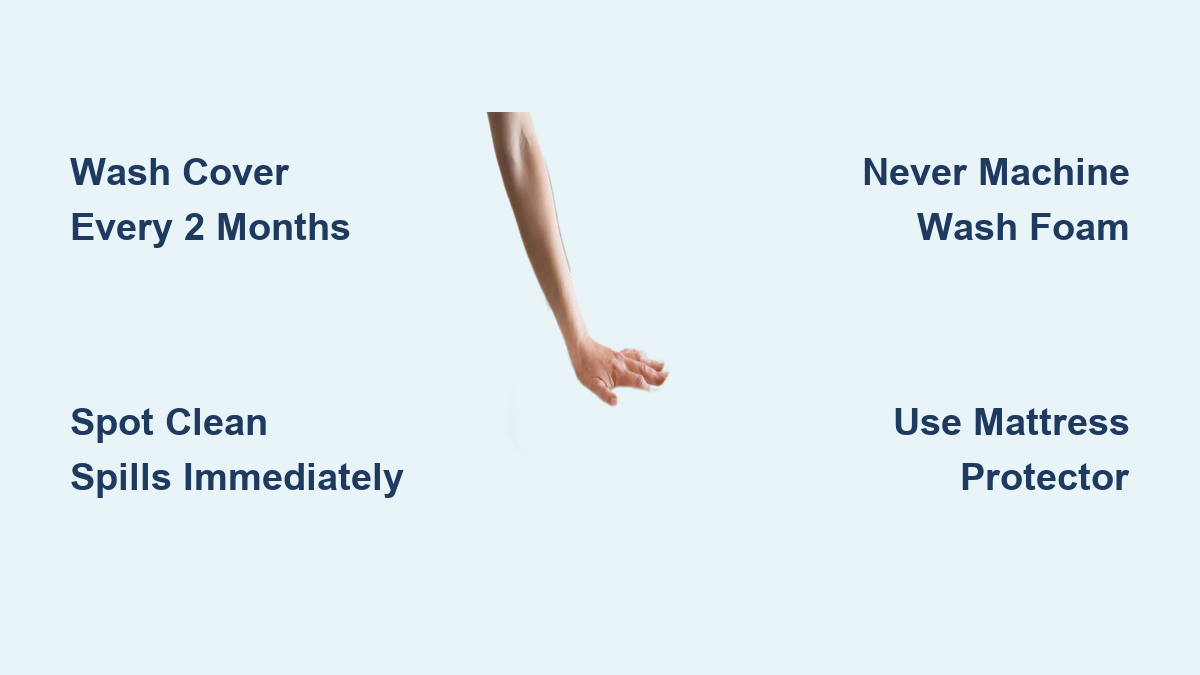
Clean Every 1–2 Months for Standard Use
For average use, washing or surface-cleaning your mattress topper every 6 to 8 weeks strikes the right balance. This routine prevents buildup of sweat, body oils, and dust mites while preserving the material’s integrity. Focus on the removable cover if your topper has one, since this is the part that makes direct contact with your skin and bedding.
Standard Cleaning Schedule
Most sleep experts recommend cleaning your mattress topper every two months for standard household use. This frequency works well for couples who are light sleepers, do not sweat heavily, and do not allow pets on the bed.
• Frequency: Every 6 to 8 weeks
• Best for: Average sleepers without excessive sweating or pet contact
• Includes: Machine washing removable covers and spot cleaning surfaces
Always wash a new topper’s cover before first use to remove manufacturing residues and chemical finishes from the factory.
Why the 2-Month Interval Works
Waiting too long between cleanings allows allergens and odors to accumulate, while cleaning too often can wear out fabrics prematurely. The 60-day mark hits the sweet spot. It is frequent enough to prevent mildew and dust mite infestations but gentle enough to avoid fabric fatigue. Think of it like deep-cleaning your pillow: necessary for hygiene, but not a weekly chore.
Pro Tip: Pair topper cleaning with seasonal sheet rotation or pillow washing to stay on schedule.
Adjust Frequency for Heavy Use
If you are a heavy sweater, live in a humid climate, suffer from allergies, or share your bed with pets, standard cleaning intervals are not enough. These factors accelerate moisture and dander buildup, requiring more aggressive maintenance.
Heavy Night Sweaters
Sweat penetrates fabric quickly and creates an ideal environment for odor-causing bacteria. Clean your topper every 4 weeks if you sweat heavily at night.
• Use moisture-wicking protectors between you and the topper
• Wash sheets and the topper cover together weekly
• Air out the topper monthly to evaporate trapped moisture
Allergy Sufferers
Dust mites thrive in warm, humid bedding. Cleaning every 4 to 6 weeks significantly reduces triggers that could affect your sleep quality.
• Vacuum the topper weekly using an upholstery attachment
• Use hypoallergenic covers designed to block allergens
• Wash in hot water if your material allows to kill dust mites
Pet Owners
Pets track in dirt, dander, and odors that embed themselves in topper fibers. Spot clean weekly and deep clean monthly to maintain freshness.
• Use a waterproof protector under the topper for added defense
• Vacuum both sides of the topper every week
• Wash pet bedding separately to avoid cross-contamination
Consequence of Delay: Skipping cleanings leads to musty smells, skin irritation, and reduced topper lifespan.
Know Your Topper Type for Proper Care
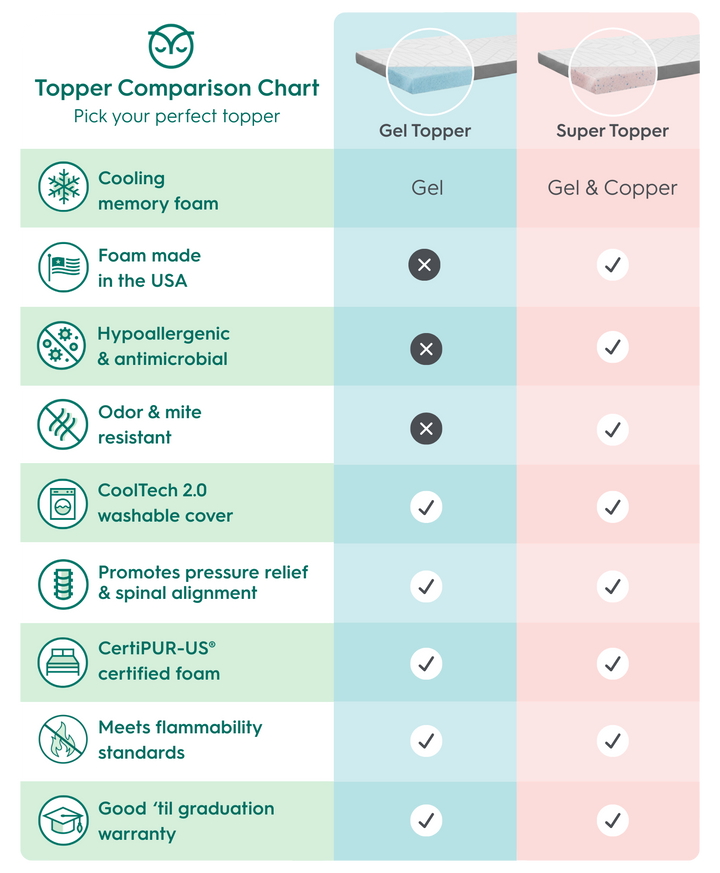
Not all mattress toppers can be treated the same way. Cleaning methods vary drastically depending on the core material and whether the topper has a removable, washable cover.
Memory Foam and Latex Toppers
Never machine wash the core. Foam absorbs water like a sponge and can tear, mildew, or lose shape if soaked. Instead, focus on the removable cover and spot clean the foam surface.
• Spot clean only with mild detergent and water
• Vacuum monthly to remove surface debris
• Air out every few months by removing all bedding
• Wash removable cover every 1 to 2 months
Warning: High heat from dryers can melt foam. Always air dry completely.
Egg Crate Foam Toppers
These convoluted foam pads are fragile by design and easily damaged by machine agitation.
• Machine wash only if the label explicitly permits it
• Use only front-load washers without an agitator
• Preferred method: vacuum both sides and spot clean stains
• Cleaning solution: equal parts water, white vinegar, and lemon juice
• Drying time: 2 to 3 days flat in a ventilated space
Visual Cue: If the foam feels damp after 24 hours, it is not dry. Keep airing.
Down or Feather Toppers
These luxurious toppers can be machine washed, but only with extreme care.
• Check for tears before washing to prevent feather leakage
• Wash in a front-loader with cool water on gentle cycle
• Use low-sudsing detergent specifically designed for down
• Rinse twice to remove all soap residue
• Dry on low heat with wool dryer balls; fluff every 15 minutes
• Total dry time: 3 to 4 hours
Pro Tip: Air drying outside in the shade helps prevent clumping.
Cotton, Polyester, or Quilted Toppers
Most fabric toppers are machine washable if the care label allows.
• Wash in cool or warm water on gentle cycle with mild detergent
• Tumble dry low or hang flat to dry
• Avoid fabric softeners, which coat fibers and reduce breathability
• Time estimate: 1 to 2 hours including drying
Vinyl-Backed or Waterproof Toppers
These are washable but highly sensitive to heat.
• Wash in cold or warm water on gentle cycle
• Never use bleach, which degrades waterproof coatings
• Tumble dry on low heat only
• Alternative: hang outside and flip hourly for even drying
• Storage: only when 100% dry to prevent mold
Spot Clean Spills Immediately
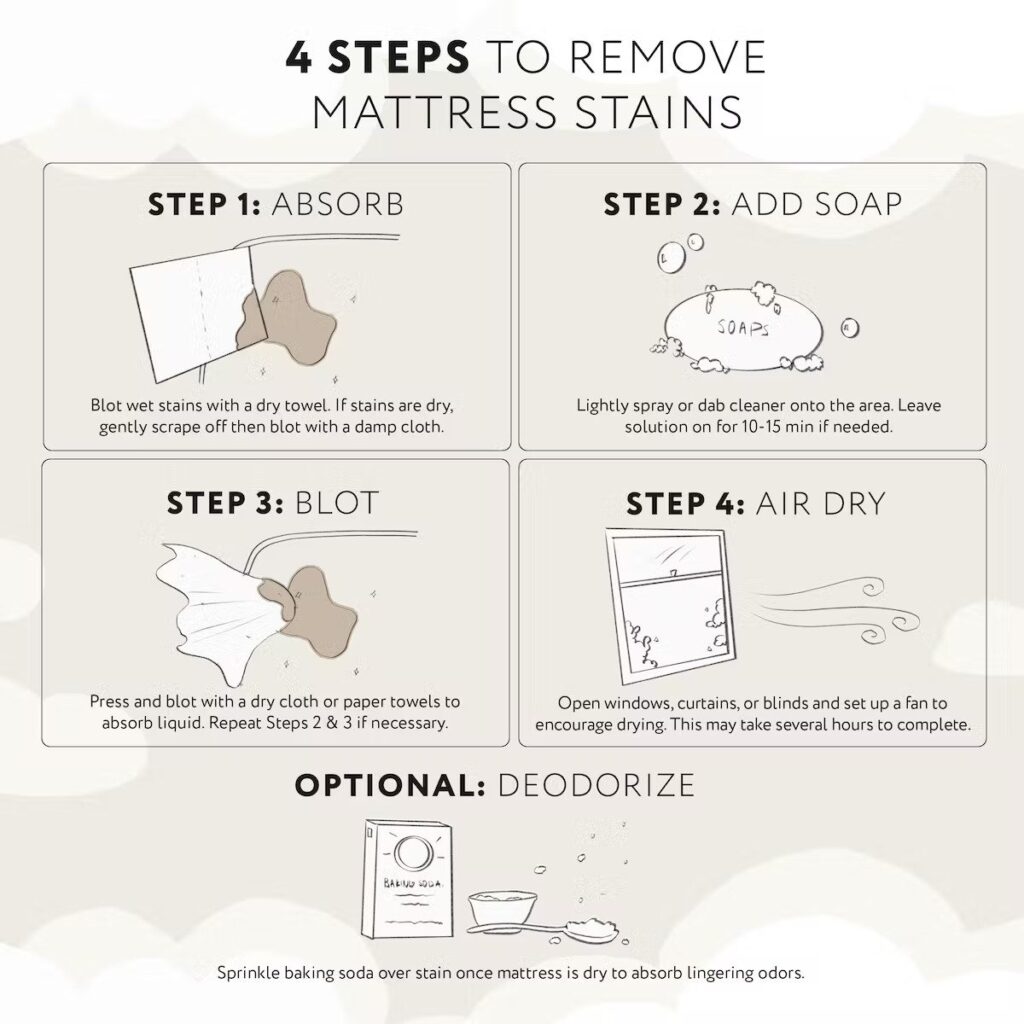
Accidents happen. Whether it is sweat, urine, or a spilled drink, immediate spot cleaning prevents stains, odors, and bacterial growth from setting in.
Step-by-Step Spot Cleaning
- Blot the area do not rub to absorb liquids
- Mix a solution of 1 teaspoon mild detergent plus 1 cup water
- Dab gently with a clean cloth
- Rinse with a damp cloth to remove soap residue
- Blot dry, then allow to air dry completely
- For odors: sprinkle baking soda, wait 30 minutes, then vacuum
For urine stains: Use an enzymatic cleaner designed to break down proteins and eliminate odor at the source.
Common Stain Solutions
• Sweat or Oil: Vinegar-water mix followed by baking soda
• Blood: Cold water only hot water sets the stain permanently
• Wine: Hydrogen peroxide or white vinegar solution
• General: Mild detergent, always test on a small area first
Never oversaturate the area. Excess moisture can seep into non-washable cores and cause mold.
Never Machine Wash Foam Cores
Foam toppers, including memory foam and latex, are not designed for washing machines. The agitation can tear internal structure, trap water leading to mold, and cause permanent sagging or deformation.
Safe Foam Cleaning Alternative
- Vacuum both sides thoroughly
- Lightly spray with a solution of 1 part mild detergent to 2 parts water
- Wait 20 to 30 minutes
- Rinse gently with a damp sponge or handheld showerhead
- Press gently to remove water never wring
- Lay flat in a well-ventilated area, turning every few hours
- Allow 2 to 3 days to dry completely before use
Fact: Once foam retains moisture, it rarely dries evenly, leading to musty smells and material breakdown.
Reduce Washing with Smart Maintenance
Regular upkeep extends the time between deep cleans and improves overall hygiene.
Weekly Vacuuming
Vacuum your topper monthly, or weekly for foam or pet owners.
• Removes dust, dander, and dead skin cells
• Extends time between deep cleans
• Use an upholstery attachment or handheld vacuum
Visual Cue: If dust puffs up when you press the surface, it is time to vacuum.
Use a Mattress Protector
This is the single most effective way to reduce cleaning frequency.
• Blocks sweat, spills, and allergens from reaching the topper
• Wash the protector every 1 to 2 months
• Choose breathable, hypoallergenic materials
• Can be used under or over the topper
User Benefit: One layer of protection means fewer deep cleans and significantly longer topper life.
Rotate or Flip Quarterly
If your topper is double-sided, rotate or flip it every 3 to 4 months.
• Prevents sagging and uneven wear
• Distributes body impressions evenly
• Reduces localized dirt buildup
Note: Most memory foam toppers are single-sided. Check manufacturer guidelines.
Air It Out Monthly
Remove sheets and let the topper breathe for 2 to 4 hours.
• Evaporates trapped moisture naturally
• Reduces odors without chemicals
• Best done midday with bedroom windows open
Signs It Is Time to Clean Your Topper
Even with a schedule, certain signs mean clean now.
• Yellow or brown stains from sweat, urine, or body oils
• Musty or sour smell emanating from the bed
• Visible dirt or discoloration on the surface
• Increased nighttime allergies or congestion
• Clumping in down or fiber-filled toppers
• Dust clouds appearing when vacuuming
Note: Some yellowing is natural with age, but sudden stains point to fluid buildup that needs attention.
When to Replace Your Topper
Even with excellent care, toppers do not last forever. Consider replacement if you notice persistent odors after thorough cleaning, visible tears or sagging that affects comfort, mold or mildew that will not budge, or age exceeding 3 to 5 years with regular use.
Tip: A failing topper will not clean well. Replacement may be more cost-effective than repeated deep cleans.
Frequently Asked Questions About Washing Mattress Toppers
How often should I wash my mattress topper if I sweat heavily at night?
If you are a heavy night sweater, clean your mattress topper every 4 weeks. Sweat penetrates fabric quickly and creates an environment for odor-causing bacteria. Using a moisture-wicking mattress protector can help reduce how often cleaning is needed.
Can I put my memory foam topper in the washing machine?
No. Never machine wash a memory foam or latex topper core. Foam absorbs water easily and can tear, develop mold, or lose its shape. Spot clean only and air dry completely. Only the removable cover should go in the washing machine.
Do I need to clean my topper if I use a mattress protector?
Yes, but less frequently. A mattress protector acts as a first line of defense, so you may only need to clean the topper itself every 3 to 4 months. Wash the protector every 1 to 2 months alongside your sheets.
What happens if I do not wash my mattress topper?
Neglecting regular cleaning allows sweat, body oils, dead skin, and allergens to accumulate. This can cause musty odors, trigger allergies, create stains, and significantly shorten the topper is lifespan. In severe cases, mold can develop from trapped moisture.
How do I know if my topper is dry enough after cleaning?
Press your palm against the material. If it feels cool or damp, it is not dry yet. For foam toppers, this check is critical since retained moisture leads to mold. Allow an additional 24 to 48 hours of air drying if needed.
Can I speed up drying with high heat?
No. High heat damages foam, melts vinyl backings, and can shrink fabric. Always use low heat or air dry completely. For foam toppers, expect 2 to 3 days of drying time in a well-ventilated space.
Key Takeaways for Washing Your Mattress Topper
How often to wash a mattress topper ultimately depends on your material type, sleep habits, and lifestyle. For most users, cleaning removable covers every 4 to 8 weeks provides the right balance between hygiene and fabric preservation. Heavy sweaters, allergy sufferers, and pet owners should clean more frequently, while those with foam cores should stick to spot cleaning and never submerge the core in water.
Always use a mattress protector to reduce cleaning needs by 50% or more. Vacuum monthly, spot clean spills immediately, and rotate double-sided toppers quarterly. Follow care labels strictly, and when in doubt, err on the side of gentle cleaning. With consistent, proper maintenance, your mattress topper will stay fresh, hygienic, and comfortable for years to come.