
How to Get Urine Out of Duvet
Urine on your duvet? It’s a stressful but fixable problem, especially if you act fast. Whether the accident came from a pet, a child, or an adult, urine can leave behind stubborn stains and lingering odors that settle deep into down, feathers, or synthetic filling. The key to success isn’t just cleaning. It’s using the right method at the right time. Acting immediately prevents the liquid from soaking into the core of the comforter and stops proteins from bonding to the fibers, which makes removal much harder later.
Ignoring the issue or using the wrong approach, like hot water or bleach, can permanently set the stain and odor. Worse, improper drying leads to mildew, clumping, and ruined loft. But with the right steps, including blotting, enzyme treatment, proper washing, and thorough drying, you can restore your duvet to fresh, odor-free condition. This guide walks you through every stage, from emergency response to full restoration, based on fabric type, severity, and care label instructions.
Immediate Response Steps
Blot, Don’t Rub
The first few minutes are critical. Blot the area immediately with clean, dry towels, white paper towels, or microfiber cloths. Never rub, because rubbing pushes urine deeper into the filling and damages the fabric weave. Apply gentle, firm pressure and keep replacing the towel as it absorbs moisture. Continue until no more wetness transfers to the cloth.
If solid matter is present, carefully scoop or scrape it off using a spoon or credit card edge before handling the liquid. Work from the outside inward to contain the mess.
Isolate the Contamination
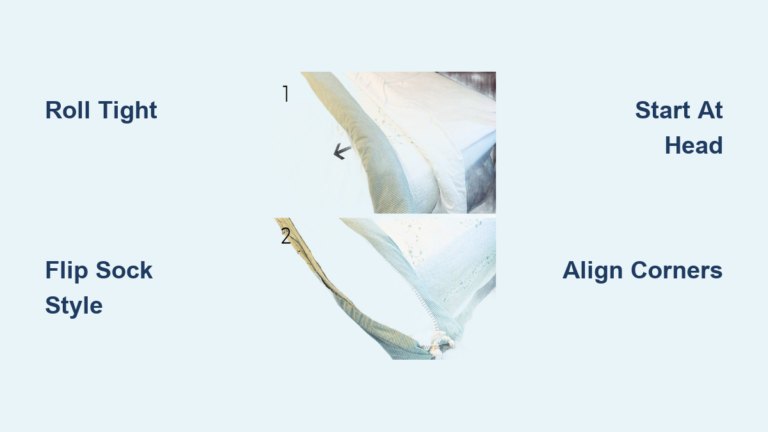
Remove the duvet layer by layer, folding the soiled section inward to avoid spreading the stain. If you can’t move it right away, place a waterproof mattress protector, towel, or plastic sheet underneath to protect your mattress. This step prevents secondary damage and keeps your bedding system intact.
Best Cleaning Solutions

Use Enzyme Cleaner First
Enzyme-based cleaners are the gold standard for urine removal. They contain biological enzymes that break down uric acid and proteins, the root cause of odor, rather than just masking the smell. Apply directly to the stain and let it sit for 10–20 minutes or as directed on the label. Choose a pet-safe formula if animals are involved.
Avoid cleaners with bleach, ammonia, or strong fragrances. These can react with urine, worsen odors, and damage delicate fabrics.
Try White Vinegar Solution
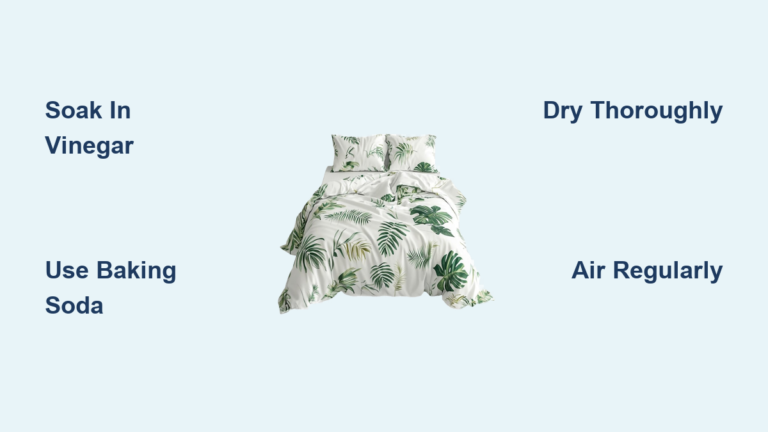
If you don’t have an enzyme cleaner, mix 1 part white vinegar with 2 parts water (or use a 1:1 ratio for stronger odor). Spray or dab it lightly onto the stain. Don’t soak the duvet. Let it sit 15–30 minutes. Vinegar neutralizes ammonia-based odors, and its sharp smell disappears completely once dry.
Never mix vinegar with bleach. This creates toxic chlorine gas.
Apply Baking Soda for Odor
After pre-treating, sprinkle a generous layer of baking soda over the area. For active cleaning, mist it lightly with vinegar to create a fizzing reaction that lifts residue and deodorizes. Let it sit for at least 30 minutes, or overnight for tough odors, then vacuum thoroughly.
Baking soda also helps draw out residual moisture and neutralize lingering smells after washing.
Cleaning Methods by Situation
Spot Clean Small or Fresh Stains
For minor or recent accidents on non-machine-washable duvets:
- Blot excess urine with dry towels.
- Apply enzyme cleaner or vinegar solution, let sit 15–30 minutes.
- Dab with cold water to rinse cleaning agents.
- Blot again with a dry towel.
- Air dry completely, flipping and rotating every 30 minutes.
This method preserves delicate fabrics and avoids unnecessary soaking.
Hand Wash a Feather Duvet
For down or feather-filled comforters that can’t go in the machine:
- Fill a bathtub with room-temperature water.
- Mix in a small amount of mild detergent (like Woolite or Dreft) and ¼ cup baking soda.
- Submerge the duvet and gently squeeze water through the stained area. Never twist or wring.
- Drain and rinse with cool water until suds are gone. This may take 2–3 cycles.
- Press out water gently. Do not wring.
- Proceed to drying.
Hand washing prevents damage from machine agitation and keeps down clusters intact.
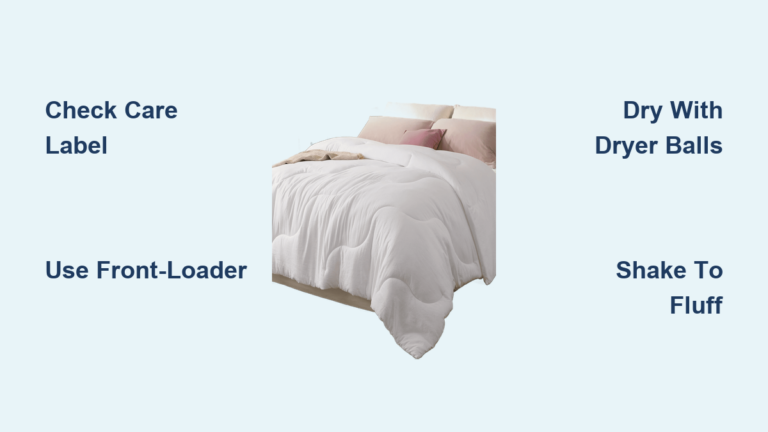
Machine Wash (If Label Allows)
Only if the care tag says “Machine Washable”:
- Use a front-load washer (no agitator).
- Select delicate/gentle cycle with cold water.
- Add mild detergent + ¼ cup baking soda.
- Add 1 cup white vinegar to the rinse cycle for odor control.
- Run a second cycle if stains persist. Never dry until fully clean.
Top-load washers with agitators can tear fabric and clump filling. Avoid them.
Hire a Pro for Dry-Clean-Only Duvets
If your duvet is labeled “Dry Clean Only” or the stain is old and set, professional cleaning is safest. Inform the cleaner it’s a urine stain so they use enzymatic solvents instead of standard chemicals that won’t break down urine proteins.
This ensures deep cleaning without damaging delicate fibers.
Drying Without Damage
Air Dry for Best Results
Air drying is safest for all duvets, especially down-filled ones.
- Hang the duvet or lay it flat in a well-ventilated area.
- Sunlight helps kill bacteria and freshen fabric, but limit exposure to prevent fading.
- Shake, flip, and rotate every 30 minutes to prevent clumping and ensure even drying.
- Dry completely. This can take 24–48 hours. Any moisture left inside breeds mold.
Never store or use a damp duvet.
Use a Dryer Safely (If Permitted)
If the label allows machine drying:
- Set to low heat or air-fluff only.
- Add 2–3 clean tennis balls or wool dryer balls to break up wet clumps and restore loft.
- Dry in multiple short cycles, checking frequently.
- Never use dryer sheets or fabric softeners. They coat fibers and trap odors.
High heat can melt synthetic fibers or shrink down, ruining the duvet.
Eliminate Lingering Odors

Why Smell Comes Back
Urine odor often returns because proteins and uric acid crystals remain trapped in the filling. Water alone doesn’t break them down. Only enzymes do. Heat from drying or washing can permanently set the odor if the stain isn’t fully treated first.
Fix Persistent Smells
If odor remains after cleaning:
- Sprinkle baking soda over the entire surface. Let sit overnight. Vacuum thoroughly.
- Mist with 1:1 vinegar-water solution, wait 10–15 minutes, blot, and air dry.
- Combine both: Sprinkle baking soda, lightly spray vinegar, let fizz, wait a few hours, brush off, and air dry.
Repeat if needed. For deep-set odors, consider professional re-cleaning with enzymatic treatment.
Protect Your Duvet Going Forward
Use a Duvet Cover
The easiest defense? Always use a washable duvet cover. It acts as a removable barrier, protecting the comforter underneath. Wash the cover weekly or after any accident.
Add a lightweight waterproof throw over the bed if pets or incontinence are concerns.
Control Pet Access
If your dog urinates on the bed:
- Keep bedroom doors closed when unsupervised.
- Use crate training at night or during high-risk times.
- Wash pet bedding weekly. A dirty dog bed may drive them to your clean one.
- Visit the vet if accidents are frequent. Urinary infections or anxiety could be the cause.
Keep an Emergency Kit
Store these near your bedroom:
– Paper towels
– Enzyme cleaner
– Microfiber cloths
– Baking soda
– Lint roller (for pet hair cleanup)
Quick action prevents small accidents from becoming big problems.
Avoid Common Mistakes
Using Hot Water
Hot water coagulates urine proteins, making them bond permanently to fibers. Always use cold water for washing and rinsing until the stain is gone.
Rubbing the Stain
Rubbing spreads urine deeper and damages fabric. Always blot with pressure.
Skipping Enzyme Cleaner
Regular detergents won’t break down uric acid. Without enzymes, odors return when humidity rises. Enzyme treatment is non-negotiable for old or set stains.
Incomplete Drying
Even slight dampness causes mold and musty smells. Dry 100%, inside and out, before storing or using.
Using Fabric Softener
Softeners coat fibers, trapping odors and reducing down’s absorbency and loft. Never use them on duvets.
Know Your Duvet Type

Down and Feather Fill
- Delicate: Avoid soaking unless necessary.
- Never wring. Gently press water out.
- Use only mild detergents. Avoid oxy cleaners and grease cutters that strip natural oils.
- Tennis balls help restore fluff during drying.
Synthetic Fill
- More durable but still needs cold water and gentle cycle.
- Less prone to clumping but can melt under high heat.
- Easier to machine wash but still benefits from enzyme pre-treatment.
Fabric-Specific Tips
- Cotton/Microfiber: Stain-resistant but absorbs liquids quickly. Act fast.
- Silk: Extremely delicate. Professional cleaning only.
- Always check the care label. Manufacturers vary in washing instructions.
Frequently Asked Questions About Getting Urine Out of Duvets
Can I use bleach to remove urine stains from a duvet?
No. Bleach reacts with ammonia in urine and can worsen odors while damaging fabric. Stick with enzyme cleaners, vinegar, or baking soda for safe and effective stain removal.
How long does it take to fully dry a duvet after washing?
Air drying typically takes 24–48 hours, depending on humidity and airflow. Machine drying on low heat may take multiple short cycles. The duvet must be 100% dry before use to prevent mold and mildew.
Will the urine smell come back after cleaning?
It can if proteins and uric acid crystals remain in the filling. Enzyme cleaners break these down at the source. Without enzyme treatment, odors often resurface when humidity rises or the duvet gets warm.
Can I machine wash any duvet?
Only if the care label explicitly states it is machine washable. Use a front-load washer, cold water, and a gentle cycle. Top-loaders with agitators can damage fabric and clump filling.
What if the stain is old and already set?
Old or set stains require enzyme-based treatment to break down crystallized uric acid. You may need to repeat the cleaning process or seek professional cleaning for deep-set odors that home methods can’t fully resolve.
Is it safe to use vinegar on a down duvet?
Yes, when diluted. Use a 1:2 or 1:1 ratio of white vinegar to water. Avoid soaking the duvet, and never mix vinegar with bleach. The vinegar smell disappears once the duvet dries.
Final Takeaways for Getting Urine Out of Duvets
Speed, the right products, and patience are the three pillars of successful urine removal. Blot immediately, treat with an enzyme cleaner, wash in cold water if the label allows, and dry completely before storing or using. Avoid hot water, rubbing, and fabric softeners, as these common mistakes set stains and trap odors permanently.
Your next step: Build a small emergency kit with enzyme cleaner, baking soda, and microfiber cloths so you can respond within minutes of any future accident. Quick action is the single biggest factor in saving your duvet from permanent damage.