

How to Get Musty Smell Out of Duvet
A musty duvet can turn your bed into a sleep-disrupting nuisance. That damp, unpleasant odor signals trapped moisture, mold, mildew, or bacteria thriving in your bedding. If you’re searching for how to get musty smell out of duvet, the good news is that most cases respond well to the right cleaning approach. The solution goes beyond simple washing. It requires proper pre-treatment, thorough drying, and smart prevention habits. This guide walks you through expert-backed methods to eliminate odors at the source, whether your duvet is down-filled, synthetic, machine-washable, or labeled dry clean only.
Identify the Source of the Smell
Before reaching for cleaning products, determine what type of odor you’re fighting. Different smells require different treatments.
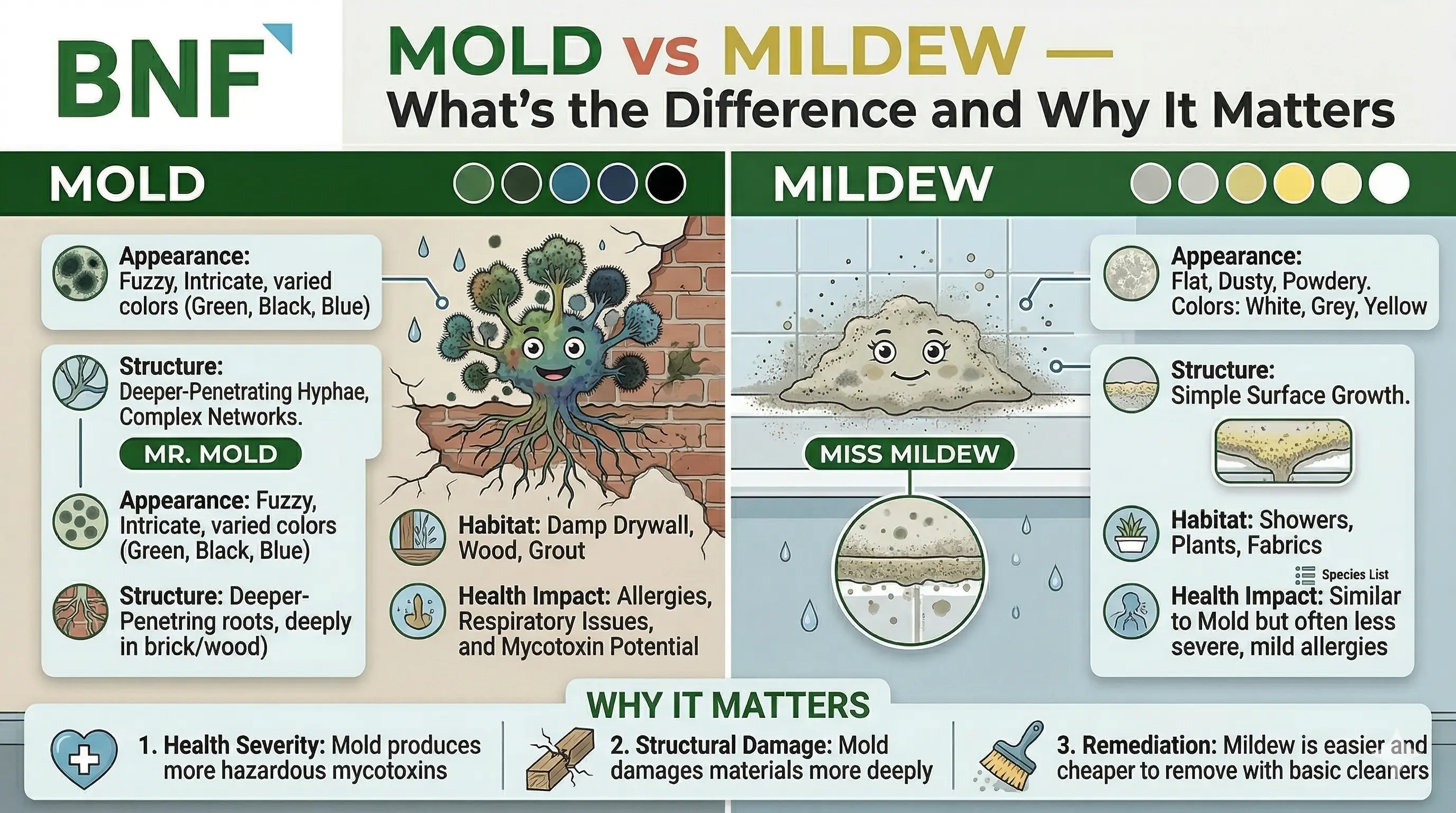
Mildew vs. Mold: Spotting the Difference
Mildew appears as flat, powdery gray or yellow spots and produces a musty smell. It stays on the surface and usually comes out with proper washing. Mold looks fuzzy or slimy, typically black or brown, and penetrates deeper into fibers. Severe mold may compromise your duvet’s structure and require replacement. If you spot mold on white fabric, diluted bleach can help address it.
Natural Scent vs. Problematic Odor
New down comforters often carry a mild organic scent from feathers that fades after a few days of airing. But if the smell resembles wet dog or grows stronger over time, you’re dealing with microbial growth, not natural off-gassing. This type of odor needs active intervention.
Pre-Treat Stubborn Odors Before Washing
Jumping straight into the wash can lock in smells. Pre-treatment breaks down odor-causing bacteria and absorbs trapped scents.
Soak in Vinegar and Baking Soda
Fill a bathtub with warm water and add:
– 1 cup white distilled vinegar
– 1 cup baking soda
– A small amount of gentle detergent
Submerge the duvet and soak for 20 minutes. The vinegar kills mildew while baking soda pulls odors from deep within the fibers. This step makes a real difference for strong, long-standing smells.
Sprinkle Baking Soda for Dry-Clean-Only Items
For mild odors or duvets labeled dry clean only:
1. Lay the duvet flat.
2. Sprinkle baking soda evenly across both sides.
3. Let sit 4 to 12 hours (overnight for tough smells).
4. Vacuum thoroughly using an upholstery attachment.
This method refreshes your duvet without any water exposure.
Try Hydrogen Peroxide Spray
Lightly mist hydrogen peroxide over the surface from a spray bottle. It sanitizes and deodorizes, working especially well on white fabrics. Avoid soaking. Just mist and air dry.
Use the Freezing Method as a Last Resort
For completely dry but smelly duvets, seal the duvet in a large garbage bag and place it in the freezer for 5 to 7 days. Remove it, air it out, and vacuum. Cold temperatures can kill some bacteria, though results vary.
Wash the Duvet the Right Way
Washing only works when done correctly. Wrong detergent, wrong machine, or poor rinsing can make odors worse.
Choose a Large-Capacity Washer
Your duvet needs room to move freely. Overcrowding prevents water circulation and leads to incomplete cleaning. For queen or king sizes, consider using a commercial machine at a laundromat. Front-loaders work well, but top-loaders without agitators often offer more space.
Select the Right Detergent and Additives
Use a mild, fragrance-free detergent. Heavy perfumes mask odors rather than remove them. Add 1 cup of white vinegar to the rinse cycle to neutralize pH, remove residue, and kill lingering mildew. For tough cases, soak overnight in OxiClean before washing. Tea tree laundry detergent offers natural antifungal properties. You can also add ½ cup of Borax to boost cleaning power.
Never use fabric softener. It coats fibers, traps moisture, and makes future odors more likely.
Set the Correct Wash Cycle
Use warm water to activate cleaning agents without damaging fibers. Select the Delicate or Bedding cycle. Maximize the spin speed to extract as much water as possible, and run an extra spin if the duvet is still dripping. Adding clean tennis shoes prevents clumping during agitation.
Dry Thoroughly: The Most Critical Step

Incomplete drying is the top reason musty smells return. Even slightly damp centers breed mildew within hours.
Machine Dry on Low Heat
Transfer the duvet to the dryer within 30 minutes of washing. Set the dryer to low or medium-low heat, since high heat damages down clusters. Add 2 to 3 clean tennis balls, wool dryer balls, or sneakers to break up wet clumps and restore fluff. Do not overload the dryer. The duvet must tumble freely.
Dry Longer Than You Expect
Expect multiple cycles. Drying may take 2 to 4 hours or more. Check the center filling often. If it feels warm, damp, or compressed, keep drying. Even when the outside feels dry, the core may still hold moisture. Total dryness is non-negotiable.
Sun-Dry for Final Freshening
After machine drying, hang the duvet outside on a sunny, windy day. UV rays kill remaining bacteria and mold spores while fresh air eliminates stale odors. Fluff the duvet every few hours by hand or with a broom to redistribute filling. Some people hang comforters for days to ensure complete dryness.
Handle Special Cleaning Situations
:strip_icc()/BHG-how-to-clean-a-mattress-5651403-01-70131_Awu1T-Lvq_8A45EhoHqnct-728fe07fc81d4f2d9f7a2f97bf05ec59.jpg)
Not all duvets are alike. Adjust your approach based on material and condition.
Dealing with “Wet Dog” Smell After Washing
This means moisture reacted with feather proteins or drying was incomplete. Re-wash with vinegar, dry longer with tennis balls, and sun-dry for 1 to 2 days. Repeat the process if needed.
Caring for Dry-Clean-Only Duvets
Avoid machine washing unless you accept the risk. Instead, sprinkle baking soda and vacuum, air out in sunlight, or use a fabric refresher spray. For persistent odors, consult a professional cleaner experienced with down.
Reviving Second-Hand or Yard Sale Finds
Inspect for mold first. If present, spot-treat with diluted bleach (1 part bleach to 3 parts hot water) on white fabric only. Soak overnight in OxiClean solution, then wash with vinegar and mild detergent. Dry thoroughly with dryer balls. Freeze for a week if odor lingers.
When the Smell Won’t Budge
If vinegar, baking soda, and full drying fail after 2 to 3 attempts, mold may have destroyed the down clusters, or low-quality fill may retain odors permanently. At this point, replacement becomes the safer and more cost-effective option.
Prevent Future Musty Smells

Keeping your duvet fresh is easier than fixing it. Prevention beats remediation every time.
Always Use a Duvet Cover
A cover blocks sweat, oils, and dead skin. Wash the cover weekly, just like sheets. The insert only needs cleaning every 1 to 2 years when properly protected.
Air Your Duvet Weekly
Once a week, strip the bed and let the duvet breathe. Lay it flat or hang it near a window for a few hours. This releases trapped moisture before it turns into mildew.
Spot Clean Spills Immediately
Blot liquids with a dry towel and use a damp cloth with mild soap for stains. Surface cleaning stops odors before they start.
Store Your Duvet Correctly
Improper storage causes most musty problems.
Skip Plastic Bags
Plastic traps humidity. Even slight moisture inside creates a mold factory. Store duvets in breathable cotton storage bags, old pillowcases, or open shelves in dry closets.
Choose the Right Environment
Avoid basements, attics, or garages with humidity swings. Ideal storage stays cool, dry, and well-ventilated. Always make sure the duvet is 100% dry before storing.
Follow Smart Wash Frequency Guidelines
Over-washing damages down while under-washing invites odors. Here’s a quick reference:
- With duvet cover, average use: Every 1 to 2 years
- No cover, heavy sweating, or pets: Every 3 to 4 months
- Allergy sufferers: Every 6 months
- After spills or accidents: Immediately
More frequent cover washing reduces the need for deep cleaning the insert.
Frequently Asked Questions About Removing Musty Smell from Duvets
Why does my duvet smell musty even after washing?
Incomplete drying is the most common cause. Mildew can establish itself within 30 to 60 minutes if a damp duvet sits in the washer. Re-wash with vinegar and ensure the center is 100% dry before storing.
Can I use bleach to remove musty smells from my duvet?
Only on white comforters with confirmed mold. Use a ratio of 1 part bleach to 3 parts hot water and soak for at least 30 minutes. Bleach can damage down feathers and fabric, so rinse extensively and use it only as a last resort.
How long does it take to fully dry a duvet?
Expect 2 to 4 hours in the dryer, possibly longer for thick comforters. Many people hang duvets outside for several days afterward to guarantee complete dryness. Check the center filling before considering it done.
Is the “wet dog” smell dangerous to health?
Yes, it signals active microbial growth. Musty bedding harbors allergens like dust mites and mold spores that can trigger respiratory issues, skin irritation, and sleep disruption. Addressing the smell promptly protects your health.
Can I save a down comforter with visible mold?
It depends on severity. Surface mildew on white fabric often responds to bleach treatment. However, fuzzy black or brown mold that has penetrated deep into the filling may have compromised the down clusters. After 2 to 3 failed cleaning attempts, replacement becomes the safer choice.
How often should I wash my duvet to prevent odors?
With a duvet cover, wash the insert every 1 to 2 years. Without a cover, every 3 to 4 months is better, especially for allergy sufferers or pet owners. Weekly washing of the cover itself does most of the protective work.
Key Takeaways for Eliminating Musty Duvet Smells
Removing musty smell from a duvet comes down to three essentials: neutralizing odor-causing microbes, washing correctly, and drying completely. Vinegar and baking soda handle most odors when combined with thorough machine drying on low heat. Sun exposure adds a final layer of freshness by killing remaining spores with UV rays. Prevention through duvet covers, weekly airing, and proper storage keeps the problem from returning. Start by inspecting your duvet for visible mold, choose the pre-treatment method that matches your fabric, and commit to the full drying process. Your bed should be a sanctuary, not a source of stink. Take action today and sleep clean tonight.