
How to Make Your Duvet Less Noisy
If your duvet sounds like rustling plastic every time you turn over, you are not imagining the problem. A noisy duvet is one of the top complaints from light sleepers and couples who share a bed, where even a faint crinkle can pull someone out of deep sleep. The cause is almost always friction between fabric fibers or feather quills rubbing against the shell, not the fill itself. High-thread-count cottons can start crisp, synthetics stay swishy, and feather blends create a crunchy mess. The good news is that you do not need to throw out your comforter. With the right fabric choices, buffer layers, and break-in techniques, you can dramatically reduce or fully eliminate duvet noise. This guide walks you through every proven method.
Identify Your Duvet’s Noise Type First

Before buying anything, figure out exactly what sound your bedding makes. Each noise points to a specific cause and a specific fix.
Crinkly Sounds Usually Mean Quality Cotton
A light, paper-like crinkle is common in premium down duvets with tightly woven cotton shells. This “down-proof” construction seals microscopic gaps so feathers cannot escape. It signals a durable, long-lasting product. The noise typically fades within 3 to 6 months as natural fibers relax with use.
Swishy Noises Signal Synthetic Shells
A loud, plastic-like swoosh means your duvet likely has a polyester, microfiber, or polycotton shell. These fabrics do not flex naturally and create high friction with movement. This noise will not go away on its own and often worsens.
Crunchy Sounds Reveal Feather Fill
If your duvet crackles when you move, it probably contains feather quills rather than pure down. Feathers rub against the shell and each other, creating an unpleasant crunch. Check the label: if there is no Fill Power (FP) rating listed, it is likely a feather blend, common in budget brands.
Choose Naturally Quiet Fabric Materials

Fabric selection is the single biggest factor in duvet noise. Switching to soft, flexible materials can transform your sleep.
Bamboo Viscose Covers Glide Silently
Bamboo viscose is one of the quietest options available. Its fibers are ultra-smooth and slightly stretchy, allowing the fabric to glide rather than rustle. Even with a tight, down-proof weave equivalent to 1000+ cotton thread count, bamboo feels fluid and silent. Look for 100% bamboo covers labeled as viscose or rayon from bamboo.
Silk Delivers Total Silence
Silk duvets and covers are completely noise-free. Natural protein fibers create a lightweight, smooth surface that generates zero friction. While more delicate and higher maintenance, silk offers unmatched quietness for highly sensitive sleepers.
Pick Sateen Over Percale Weave
If you prefer cotton, choose sateen weave instead of percale. Sateen uses a four-over-one-under weave that creates a silkier hand feel and reduces surface friction. Pair it with fine yarns (100s or 120s) and a thread count between 500 and 700 for optimal quietness.
Use a Duvet Cover as a Sound Buffer
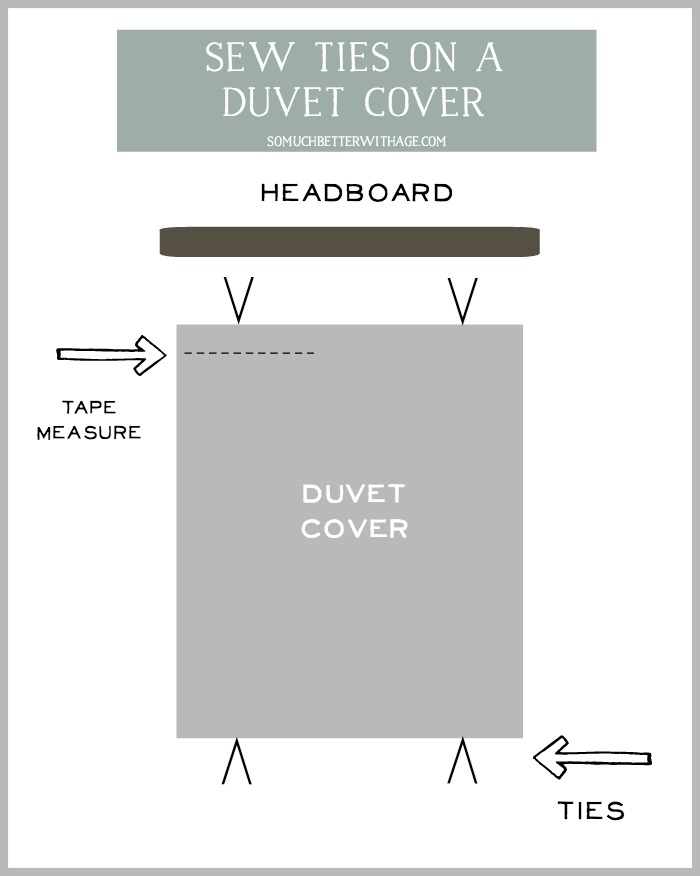
Adding a high-quality duvet cover is one of the fastest and cheapest fixes. The cover acts as a noise-dampening layer between you and the noisy insert.
Select Soft, Silent Cover Materials
Choose covers made from bamboo viscose, flannel, high-thread-count sateen cotton, or fleece. These materials absorb friction rather than amplify it. Avoid microfiber or polyester covers, which will make the noise worse.
Ensure a Snug Fit with Corner Ties
A loose-fitting cover shifts and creates its own rustling. Always use a duvet cover with eight internal corner ties that attach to loops on your insert. This keeps everything aligned and prevents internal movement that causes noise.
Break In a Crispy Cotton Duvet
If your duvet has a temporary crinkle from a high-quality cotton shell, time and use will soften it naturally.
Let Natural Fibers Relax Over Time
High-thread-count cotton shells are often compressed during manufacturing and packaging. With regular nightly use, the fibers gradually relax and become more pliable. Most users report noticeable softening within 3 to 6 months.
Wash It Properly to Speed Up Softening
If your duvet is machine-washable, run a gentle cycle in warm water with mild detergent using a large-capacity front-load washer. Dry on low heat with wool dryer balls to fluff and loosen the fabric. Important: only wash down duvets every 2 to 3 years to protect the clusters. Always air out a new duvet for 24 to 48 hours after unboxing to restore loft.
Replace Noisy Duvets with Smarter Choices

If your comforter is swishy, crunchy, or simply will not quiet down, a strategic replacement may be the best long-term solution.
Avoid These Noisy Materials
Steer clear of polyester or microfiber shells, low thread counts under 300, feather blends with no Fill Power rating, and cheap percale weaves that feel harshly crisp.
Seek These Silent Alternatives
Look for duvets featuring 100% cotton sateen shells (500 to 700TC), bamboo or silk covers, pure down fill with 650+ Fill Power, eucalyptus-based fills like the Buffy Cloud comforter, or wool quilts with stitched-through construction. Brands like The Company Store (Lacrosse Loftaire line), APSMILE silent series, and Costco’s 650+ FP down options offer reliable, quieter choices.
Try Layering Instead of One Heavy Duvet

Sometimes the best way to eliminate noise is to ditch the duvet altogether and build a quiet sleep system.
Build a Silent Bedding Stack
Replace your noisy comforter with a combination of quiet layers: flannel sheets for softness, a fleece or wool blanket for warmth, and a cotton quilt for lightweight insulation. This quilt method eliminates the large, shifting fill of a duvet, reducing both noise and bulk.
Use a Heated Mattress Pad for Warmth Without Weight
For cold sleepers who rely on thick bedding, a heated mattress pad provides direct warmth without heavy layers. You can sleep under just a sheet and a light quilt. No more swooshing duvets, no more noise, just consistent warmth and quiet.
Test and Maintain for Long-Term Quiet
Once you have made changes, test your setup and maintain it to keep noise at bay.
Perform the Roll-Over Test
Lie in bed and roll from side to side while listening carefully:
– Soft rustle: Likely high-quality cotton that will soften over time
– Loud swish: Synthetic fabric that needs replacement or buffering
– Crunching: Feather fill that should be upgraded to pure down
Check Fill Power and Construction
Always check the Fill Power on down products. A rating of 650 FP or higher means larger, fluffier clusters that trap air efficiently and stay light. Look for baffle box construction, which prevents fill from shifting, and 8 corner ties for stability.
Wash Covers Regularly, Not the Duvet
To preserve your duvet’s lifespan and quietness, wash the cover weekly, wash the insert only every 2 to 3 years if at all, dry thoroughly to prevent clumping, and never store compressed. Let it breathe in a cotton storage bag instead.
Frequently Asked Questions About Noisy Duvets
Why is my new duvet so crinkly?
A light crinkle in a new duvet usually means you bought a high-quality, tightly woven cotton shell. This down-proof construction prevents feathers from escaping and indicates durability. The noise fades within 3 to 6 months as natural fibers relax with regular use.
Can a duvet cover really reduce noise?
Yes. A soft, well-fitted duvet cover acts as a buffer layer that absorbs friction between you and the inner shell. Bamboo viscose, flannel, and high-thread-count sateen cotton covers are the most effective at dampening sound.
Are down duvets quieter than synthetic ones?
Pure down duvets with high Fill Power (650+) are essentially silent because the soft clusters do not rub or create friction. Synthetic fills and feather blends are the primary sources of swishing and crunching noises.
How long does it take for a new duvet to soften?
Most high-quality cotton duvets become noticeably quieter within 3 to 6 months of nightly use. You can speed up the process with one gentle wash and low-heat dry cycle using wool dryer balls.
Is a noisy duvet a sign of poor quality?
Not always. A light crinkle often signals premium down-proof cotton that will last for years. However, loud swishing or crunching sounds usually indicate synthetic shells or feather-heavy fills, both of which are lower quality.
What is the quietest duvet material available?
Silk is the quietest natural material, producing zero friction noise. Bamboo viscose is a close second, offering a smooth, gliding feel. For cotton options, sateen weave with 500 to 700 thread count provides the best balance of quietness and durability.
Key Takeaways for a Quieter Duvet

A noisy duvet does not have to ruin your sleep. Start by identifying whether your bedding is crinkly (quality cotton), swishy (synthetic), or crunchy (feathers). Upgrade to natural, soft fabrics like bamboo viscose, silk, or sateen cotton with a thread count between 500 and 700. Add a well-fitted duvet cover with eight corner ties to act as a sound buffer, and give new cotton duvets 3 to 6 months to break in naturally. If your current comforter is beyond saving, replace it with a pure down insert (650+ Fill Power) or try layering with flannel sheets, a wool blanket, and a cotton quilt. For cold sleepers, a heated mattress pad can eliminate the need for heavy bedding altogether. Start with one change today, such as swapping your duvet cover for bamboo viscose, and enjoy noticeably quieter sleep tonight.