
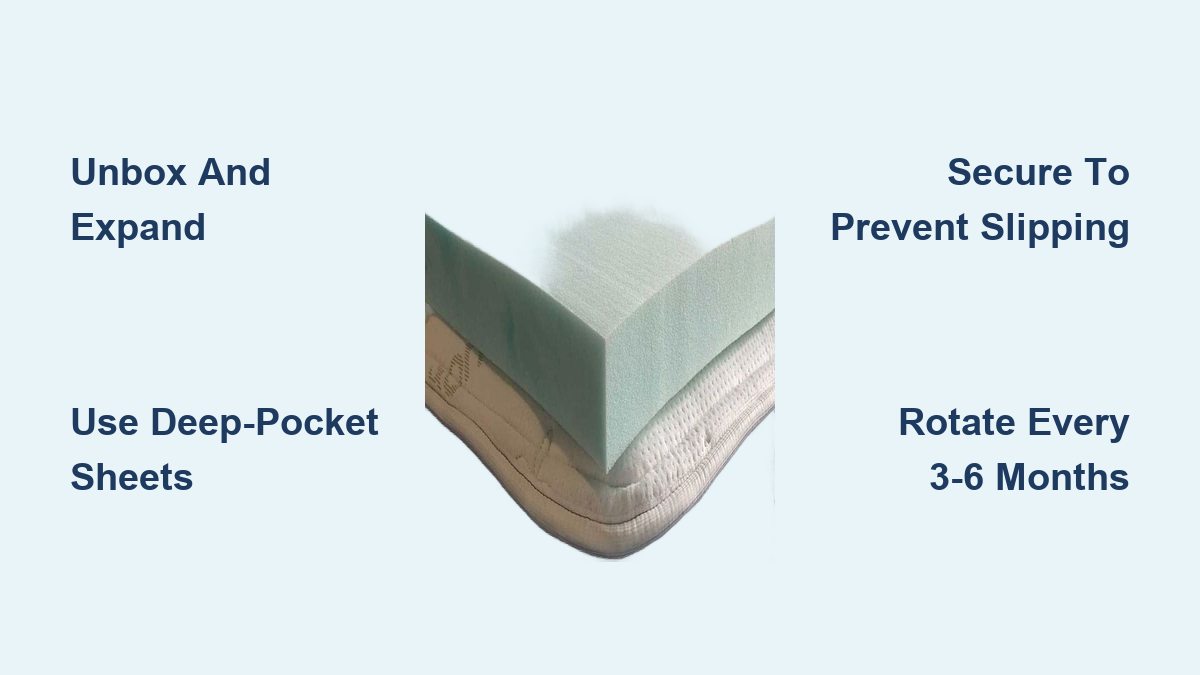
How to Use Foam Mattress Topper: Quick Guide
If your mattress feels too firm, lumpy, or just past its prime, a foam mattress topper can transform your sleep without the cost of a full replacement. Designed to sit on top of your existing bed, a foam topper adds cushioning, improves support, and can even help with temperature regulation. But simply unrolling it and jumping in bed will not guarantee comfort or longevity. Used incorrectly, a topper can shift, overheat, or wear out prematurely.
This guide shows you exactly how to use a foam mattress topper the right way, from unboxing and setup to securing, cooling, and maintaining it for years of restful sleep. Whether you are a side sleeper needing pressure relief or just want a softer feel, you will learn how to install, care for, and get the most from your investment.
Unbox and Let Your Foam Topper Expand Fully
New foam toppers arrive vacuum-sealed in a box. Cutting open the plastic too fast or sleeping on it too soon can damage the foam structure and void your warranty.
Wait 24–48 Hours Before Use
• Cut the outer plastic carefully, avoiding contact with the foam beneath
• Unroll the topper flat on your mattress or a clean floor
• Allow full expansion time: memory foam needs 1–2 days to regain its original shape and firmness
• Do not sleep on the topper until it is fully expanded, as this prevents uneven recovery and extends lifespan
Pro Tip: Open windows or use a fan to speed up expansion and reduce off-gassing odors that are common in new foam products.
Handle Off-Gassing Safely
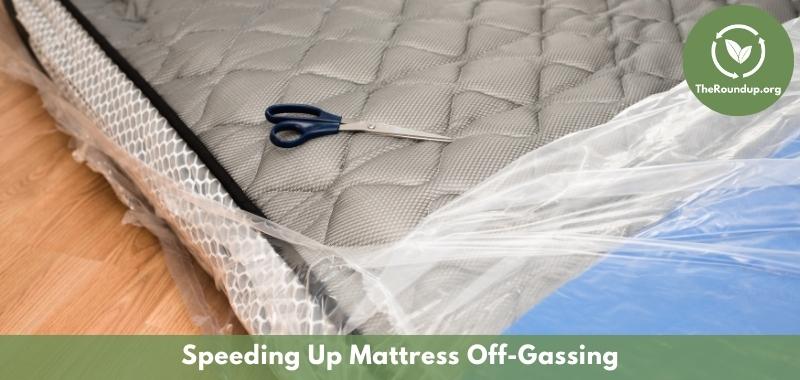
That “new foam” smell is called off-gassing, a normal release of harmless volatile organic compounds (VOCs) from manufacturing. While not dangerous with CertiPUR-US certified products, the odor can be unpleasant and may bother sensitive individuals.
Neutralize Odors Within 48 Hours
• Air out the topper in a dry, well-ventilated room for at least one full day
• Run a fan near the topper to circulate air and accelerate odor dissipation
• Sprinkle baking soda over the surface, wait 4–8 hours, then vacuum thoroughly to absorb lingering smells
• Place activated charcoal bags nearby for extra odor control if needed
Expert Note: Always choose CertiPUR-US certified toppers, as they meet strict standards for low VOC emissions and are safer for indoor use.
Install Your Topper on Top of the Mattress
The standard and safest method is placing the topper directly on top of your mattress. This ensures optimal comfort, proper airflow, and full warranty compliance from the manufacturer.
Step-by-Step Placement
- Strip all bedding completely, removing sheets, protectors, and blankets
- Clean the mattress surface by vacuuming and spot-cleaning any stains, then let it dry completely
- Align the topper with the mattress, placing the smooth non-slip side down and the quilted or soft side up
- Smooth out any air pockets or wrinkles by hand to prevent bunching during sleep
- Reapply bedding starting with a mattress protector, then deep-pocket fitted sheets (18-inch pockets work best), and finally remake the bed with blankets and pillows
Warning: Standard sheets with 12-inch pockets will not fit a mattress with a 3–4 inch topper. Always measure your total bed height before buying new sheets.
Secure Your Topper to Prevent Slipping
A shifting topper ruins comfort and can create lumps that affect sleep quality. Active sleepers and owners of adjustable beds are especially prone to movement issues.
Stop Sliding With These Proven Fixes
• Use corner straps that come with many toppers or purchase adjustable anchors that grip the mattress edges
• Add a non-slip rug pad between the mattress and topper, choosing breathable materials
• Select a topper with a non-slip bottom featuring silicone dots or textured fabric
• Use deep-pocket sheets made from stretchy microfiber or jersey blends that hold both layers tightly
• Avoid plastic-backed mattress protectors, as these create slippery surfaces
Expert Note: Double-sided carpet tape can work but may damage surfaces or void warranties. Use it cautiously and sparingly.
Understand Alternative Placement: Under the Mattress

Some users install the topper under the mattress to preserve their preferred sleep surface feel or add height to the bed. This approach carries significant risks that you should understand.
When Risks Outweigh Benefits
• Only high-density foam (4+ lbs/ft³) can withstand the weight of a mattress without permanent compression
• Trapped foam can retain moisture, leading to mold or mildew growth in humid environments
• Most manufacturers void warranties when toppers are placed underneath the mattress
• Solid support is essential: use slats spaced less than 3 inches apart or a bunkie board to prevent sagging
Use Case: A 280-lb user reported success using a 4-inch high-density topper under a hybrid mattress for one year, but only with solid support and a breathable cover. This approach is not recommended for most users.
Choose the Right Sheets for Your Topper
A 3–4 inch topper adds significant height to your bed. Standard sheets will not stay on, creating a frustrating sleep experience.
Pick Deep-Pocket or Jumbo Sheets
• Calculate total depth by adding your mattress height to the topper thickness (example: 12-inch mattress + 4-inch topper = 16-inch total)
• Buy sheets with 18–22 inch pockets to ensure a snug, secure fit
• Choose stretchy fabrics like microfiber, jersey knit, or spandex blends that accommodate the added height
Pro Tip: Look for sheets labeled “mattress topper compatible” or “extra deep” to find the right fit more easily.
Keep It Cool for Hot Sleepers
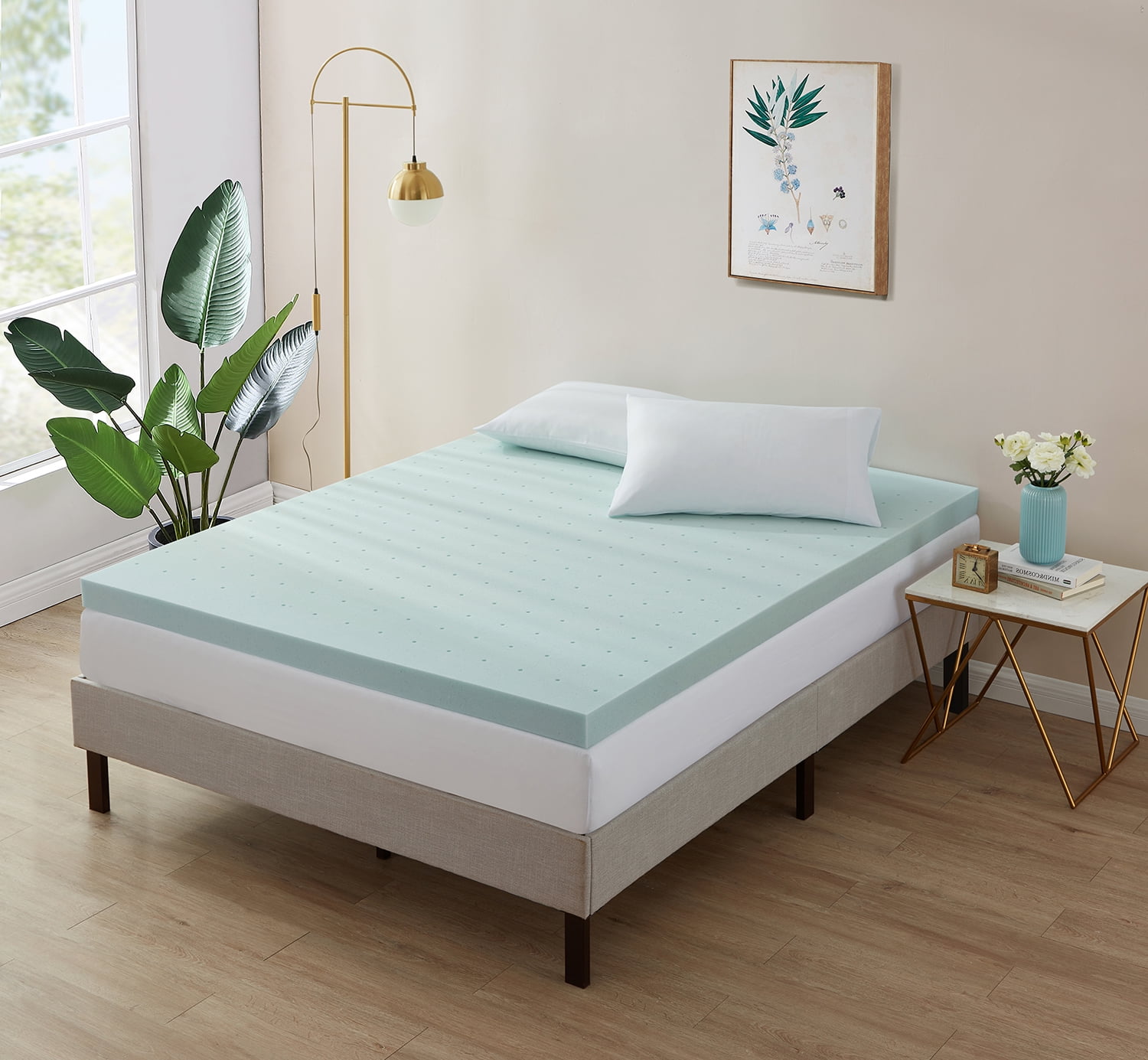
Memory foam naturally retains body heat, which can make sleep uncomfortable for hot sleepers. However, smart choices can significantly improve temperature regulation.
Beat the Heat With These Upgrades
• Choose gel-infused or open-cell foam, which pulls heat away from your body
• Add a bamboo or wool mattress protector, both of which wick moisture and regulate temperature
• Use a ventilated bed base with slats spaced less than 3 inches apart to allow airflow underneath
• Try a thin cooling overlay (from brands like Luna or Novosbed) that adds chill without replacing your topper
Best Combination: Gel-infused foam + bamboo protector + slatted foundation equals cooler, more comfortable sleep.
Rotate Every 3–6 Months for Even Wear
Even use prevents permanent body impressions and extends the lifespan of your foam topper significantly.
Rotate and Flip for Maximum Durability
• Turn the topper 180 degrees every few months to even out wear patterns across all areas
• Flip reversible models (with soft/firm sides) to alternate comfort levels throughout the lifespan
• Expect some natural denting early on, which often rebounds with regular rotation
Warning: Deep, permanent impressions greater than 1-2 inches indicate it is time to replace your topper.
Clean Your Foam Topper Without Causing Damage
Foam cannot get wet. Submerging or machine washing destroys the cellular structure and voids your warranty.
Spot Clean Safely and Effectively
For odors:
• Sprinkle baking soda generously over the entire surface
• Wait 4-8 hours, then vacuum thoroughly using an upholstery attachment
For stains:
• Mix 1 tablespoon dish soap with 2 cups hydrogen peroxide
• Blot the stain gently with a damp cloth (never rub)
• Rinse with a water-only cloth, then pat dry with a towel
• Air dry completely for 24+ hours before remaking the bed
For removable covers:
• Machine wash cold on gentle cycle
• Air dry or tumble dry low (never use high heat)
Critical: Never use bleach, steam cleaners, or harsh chemicals on foam toppers.
Store Your Topper the Right Way
Improper storage causes permanent creases and foam damage that cannot be reversed. Follow these steps for short-term or seasonal storage.
Long-Term Storage Steps
• Clean and dry the topper completely before storing
• Roll tightly from one end to the other, never folding (folding causes permanent damage)
• Place in a vacuum-seal storage bag to save space and protect from pests
• Store in a cool, dry place such as a closet (avoid attics, basements, or garages with extreme temperatures)
• Use within several months, as prolonged compression can reduce foam resilience
Note: After long storage, you may need 48+ hours for the topper to fully re-expand.
Cut Your Topper Only If Absolutely Necessary
Need to trim for a non-standard mattress size? It is possible but carries major risks.
Trim With Extreme Care
- Measure your mattress exactly and double-check all dimensions
- Remove any cover first to ensure clean cutting lines
- Mark cut lines with a straight edge and pencil
- Use a sharp utility knife or electric carving knife for cleaner cuts
- Make multiple shallow passes rather than one deep cut, especially for 4-inch thick foam
Warning: Cutting your topper voids the manufacturer warranty. Only attempt this if you accept the risk and cannot return the product for a proper size.
Pick the Right Foam Type for Your Sleep Needs
Not all foam toppers are created equal. Choosing the wrong type leads to poor sleep quality and wasted money.
Match Foam to Your Body and Sleep Style
• Side sleeper with joint pain: Choose medium to high-density memory foam (3-4 lbs/ft³) for pressure relief
• Hot sleeper: Select gel-infused or open-cell foam for built-in cooling technology
• Couples needing motion isolation: Memory foam absorbs movement effectively
• Prefer responsive, bouncy feel: Latex foam provides more bounce than memory foam
• Allergy sensitive: Look for natural latex or CertiPUR-US certified foam
Density Tip: Heavier users over 230 lbs should choose foam with density of 4 lbs/ft³ or higher for adequate durability and support.
Replace Your Topper When Support Fades
Even the best maintained topper will not last forever. Knowing when to replace prevents poor sleep and potential back pain.
Signs It Is Time for a New Topper
• Permanent indentations deeper than 1-2 inches where you sleep
• Foam does not rebound to its original shape after you get up
• Tears, rips, or exposed core material
• Persistent odors that return after cleaning
• Waking up with more pain or stiffness than before
Average Lifespan: Most high-quality toppers last 3-5 years with proper care and maintenance.
Follow Warranty Rules to Stay Protected
Most manufacturers offer 1-3 year limited warranties, but they only cover issues arising from defects, not from user damage or improper use.
Avoid These Warranty-Voiding Mistakes
• Cutting or modifying the topper in any way
• Machine washing or soaking the foam core
• Folding the topper during storage
• Using on improper support such as widely spaced slats
• Exposing the foam to moisture that causes mold
Best Practice: Always register your product upon purchase and keep your receipt in a safe place.
Use Foam Toppers Beyond the Bedroom
Foam toppers are not just for traditional beds. They work wonderfully in various situations.
Practical Use Cases Beyond the Bedroom
• Guest beds: Instantly soften an old spare mattress for comfortable visitors
• RVs and dorm rooms: Add comfort to thin, firm bases in tight spaces
• Air mattresses: Prevent pressure points on temporary beds
• Sofa beds: Make fold-out sleepers more comfortable for overnight guests
Tip: A 2-3 inch topper is usually sufficient for occasional use in these scenarios.
Maximize Your Topper Lifespan With Proper Care
A little maintenance goes a long way toward preserving comfort, support, and your investment.
Best Practices Summary
• Rotate the topper every 3-6 months to distribute wear evenly
• Always use a breathable mattress protector
• Keep your bedroom well-ventilated to reduce moisture buildup
• Avoid eating or drinking in bed to prevent stains and spills
• Vacuum occasionally to remove dust and allergens from the surface
Pro Tip: Pair your topper with a slatted base and natural fiber bedding for optimal breathability and temperature regulation.
Frequently Asked Questions About Foam Mattress Toppers
How long does a foam topper take to expand after unboxing?
Memory foam toppers typically take 24-48 hours to fully expand after being removed from vacuum-sealed packaging. Some models may appear to expand within minutes, but they need additional time to stabilize internally before use.
Can I put a foam topper under my mattress?
While technically possible, placing a foam topper under your mattress carries significant risks including permanent compression, moisture buildup, and voided warranty. This approach only works with high-density foam and requires excellent ventilation and solid support underneath.
What sheets do I need for a mattress with a topper?
You need deep-pocket fitted sheets with pockets sized 18-22 inches to accommodate both your mattress and the added topper height. Standard sheets with 12-inch pockets will not fit securely.
How do I stop my topper from sliding on the mattress?
Use corner straps that anchor to the mattress, add a non-slip rug pad between the mattress and topper, choose a topper with a silicone dot bottom, and use deep-pocket sheets made from stretchy microfiber or jersey material.
How often should I rotate my foam topper?
Rotate your foam topper 180 degrees every 3-6 months to ensure even wear and prevent permanent body impressions from forming in high-use areas.
When should I replace my foam mattress topper?
Replace your topper when you notice permanent indentations over 1-2 inches deep, the foam no longer rebounds after use, tears or rips appear, or you experience increased pain or stiffness when waking.
Key Takeaways for Using Your Foam Mattress Topper
A foam mattress topper is a smart, affordable upgrade, but only when used correctly. Proper unboxing and allowing full expansion time prevents permanent damage and ensures optimal performance. Installing the topper on top of your mattress with the non-slip side down, securing it with corner straps or a gripper pad, and using deep-pocket sheets keeps it in place for comfortable, uninterrupted sleep.
Regular maintenance including rotation every 3-6 months, spot cleaning only (never soaking), and proper storage when needed extends the lifespan to 3-5 years. Following manufacturer warranty guidelines protects your investment, and choosing the right foam density and type for your sleep style ensures you get the comfort and support you need. Whether you need pressure relief for joint pain, a cooler sleep surface, or just want to revive an aging mattress, the right foam topper used correctly can transform your bed for years to come.