Wool Mattress Topper Benefits Explained
If you’ve ever woken up sweating in summer or shivering come winter, your mattress might be working against you instead of with you. A wool mattress topper can change that completely. Unlike synthetic foams that trap heat and moisture, wool actively regulates your body temperature, wicks away sweat, and creates a cleaner, healthier sleep surface that adapts to your needs year-round.
In this guide, you’ll discover exactly how wool transforms your sleep, why it outperforms memory foam and cotton, and what real users say after years of nightly use.
Year-Round Temperature Control
Wool doesn’t just insulate—it adapts dynamically to what your body needs. Whether you tend to overheat at night or always seem cold, a wool mattress topper keeps you in the ideal sleep zone without any manual adjustments.
How Wool Regulates Heat Naturally
Wool fibers trap tiny pockets of air, creating insulation that retains warmth when temperatures drop. But unlike memory foam, which essentially bakes you in your own body heat, wool breathes and releases excess warmth as you sleep. This two-way system means you stay warm without overheating, perfect for those restless nights or seasonal transitions.
Studies show wool reduces nighttime overheating by up to 50% compared to foam toppers. That translates to fewer tosses, fewer turns, and deeper REM cycles. For couples with different temperature preferences, wool naturally balances the bed climate so both partners sleep soundly.
Ideal for Hot and Cold Sleepers
- Hot sleepers benefit from wool’s heat dissipation and moisture-wicking properties, keeping the surface cool and dry
- Cold sleepers get insulating warmth without sacrificing breathability
- Seasonal versatility means no need to swap bedding throughout the year
Unlike gel-infused foams that lose their cooling power over time, wool’s temperature regulation is permanent and completely chemical-free.
Superior Moisture Management

Sweat is a fact of life, but waking up in a damp, uncomfortable bed doesn’t have to be. Wool handles moisture better than any other natural or synthetic bedding material available today.
Absorbs Sweat Without Feeling Wet
Wool can absorb up to 30% of its own weight in moisture vapor before ever feeling damp to the touch. It pulls sweat directly off your skin and releases it into the surrounding air, keeping your sleep surface dry and fresh. Compare this to polyester or memory foam, which trap moisture against your body and create a sticky, humid microclimate that makes sleep miserable.
This moisture-wicking ability proves especially valuable for menopausal women experiencing night sweats, athletes recovering after intense workouts, and anyone living in humid climates where the air feels heavy even indoors.
Prevents Clamminess and Odor Buildup
Because wool moves moisture away efficiently and allows continuous airflow, it resists the “steam room” effect that plagues synthetic toppers. This also means fewer odor-causing bacteria can take hold in your bedding. Users consistently report their wool toppers stay fresher for months longer than their previous bedding, with no musty smells developing even after extended use.
Pro tip: Air your wool topper in direct sunlight every few months. UV rays naturally disinfect the fibers and reactivate their moisture management properties.
Hypoallergenic and Non-Toxic Sleep

If allergies, asthma, or chemical sensitivities are disrupting your sleep, a wool mattress topper could be exactly the solution you’ve been searching for.
Resists Dust Mites, Mold, and Mildew
Dust mites thrive in warm, moist environments, but wool simply isn’t their habitat. The natural lanolin coating on wool fibers repels mites, while wool’s low moisture retention prevents mold and mildew from ever establishing a foothold. Scientific studies confirm that dust mite populations drop significantly in wool-filled bedding compared to synthetic alternatives.
For allergy sufferers, this means reduced nighttime sneezing and congestion, less irritation for eczema-prone skin, and improved breathing that supports continuous sleep throughout the night.
No Off-Gassing or Harmful Chemicals
Many memory foam toppers release volatile organic compounds like formaldehyde or benzene, especially when brand new. Wool, particularly organic GOTS-certified wool, is completely free from synthetic dyes, pesticides, and flame retardants. It meets fire safety standards naturally through its own inherent properties, without any chemical treatments that could compromise your health.
This makes wool an ideal choice for babies and children, pregnant women, and anyone with chemical sensitivities or compromised immune systems. You’re not just sleeping on natural fibers, you’re breathing cleaner air every single night.
Comfort That Supports Without Sinking
A great mattress topper should feel soft without swallowing you whole. Wool delivers balanced comfort with responsive support that works with your body, not against it.
Gentle Pressure Relief Without Sinkage
Wool evenly distributes your body weight across its surface, reducing pressure on hips and shoulders. This proves particularly beneficial for side sleepers and anyone dealing with joint pain. It contours gently to your body without creating that “stuck” feeling common with memory foam. You’ll feel cushioned and supported, never trapped or engulfed.
Compared to latex, which can feel overly bouncy, or down which flattens quickly, wool offers a stable, cloud-like layer that maintains its loft night after night and year after year.
Works on Any Mattress Type
Whether your current mattress feels too firm or has become too soft, a wool topper smooths out the surface and restores comfortable sleep.
- On firm mattresses, it adds plushness without sacrificing support
- On soft mattresses, it reinforces structure and prevents that sinking feeling
- On hybrid or innerspring beds, it enhances comfort while maintaining airflow
Users typically report immediate improvements in sleep comfort, often avoiding the need for a costly full mattress replacement.
Unmatched Breathability and Airflow
Sleep quality isn’t just about comfort, it’s about oxygen. Wool promotes healthy air circulation all night long so you wake feeling refreshed.
Open Fiber Structure Encourages Airflow
Wool’s natural crimp creates space between individual fibers, allowing air to flow freely throughout the topper. This prevents the buildup of carbon dioxide near your face, which is a common problem with dense foam toppers. Better airflow also means faster cooling when you do overheat, reduced risk of suffocating heat traps, and healthier skin respiration throughout the night.
Unlike non-porous materials, wool breathes much like your own skin, helping you maintain thermal balance automatically.
Reduces Bacteria and Fungal Growth
Stagnant, humid environments are breeding grounds for bacteria and fungi. Wool’s moisture-wicking and breathable design keeps your sleep surface dry and inhospitable to odor-causing microbes. This proves especially important for long-term hygiene and protecting the investment you’ve made in your mattress.
Built to Last: 5 to 10 Years of Performance
Cheap toppers flatten within months, but quality wool lasts for years without losing its beneficial properties.
Wool Fibers Bend Over 20,000 Times
Wool ranks among the most resilient natural fibers available. It can flex over 20,000 times without breaking, while cotton manages only about 3,000 bends. This remarkable elasticity means wool recovers its shape after compression repeatedly, night after night.
The result is permanent indentations become virtually nonexistent, comfort remains consistent over time, and minimal sagging or matting occurs even after years of use. High-quality wool toppers easily last 5 to 10 years, roughly twice as long as most memory foam or cotton options.
Protects Your Mattress Investment
A wool topper isn’t just about comfort, it’s a protective shield for your mattress. It absorbs body impressions, absorbs sweat, and protects against spills, extending your mattress’s useful life significantly. Many users find their underlying mattress stays firmer and cleaner far longer, preserving warranty terms and delaying the need for replacement.
Eco-Friendly and Sustainable Choice
Choosing wool isn’t just good for your sleep, it’s good for the planet we all share.
Renewable, Biodegradable, and Ethical
Sheep grow new wool every year through sustainable shearing practices. When a wool topper reaches the end of its life, it decomposes completely in soil within 3 to 6 months, unlike synthetic foams that persist in landfills for decades. Look for certifications like GOTS, USDA Organic, or Responsible Wool Standard to ensure no harmful chemicals were used and animals were treated humanely.
Lower Carbon Footprint Than Foam
Producing petroleum-based foams requires enormous energy and releases significant greenhouse gases. Wool processing uses far less energy and has a dramatically smaller environmental impact. For eco-conscious buyers seeking luxury without compromise, wool delivers both.
Low Maintenance With High Rewards
Wool is surprisingly easy to care for, requiring none of the frequent washing or expensive dry cleaning that other topper materials demand.
Simple Care Routine
- Air it out every 3 to 6 months by placing the topper in sunlight for a few hours
- Spot clean only using mild, pH-neutral soap for any stains
- Rotate regularly every few months to ensure even wear across the surface
Most wool toppers come with removable, machine-washable covers, usually made from organic cotton or wool blend fabric, making surface cleaning effortless.
No Chemical Cleaning Required
Unlike down or synthetic fills, wool essentially self-cleans through regular airing. Its natural lanolin content resists stains and odors, dramatically reducing the need for harsh detergents or professional dry cleaning.
Perfect for Sensitive Sleepers
Wool’s multifunctional benefits make it ideal for specific groups who need more from their sleep surface.
Who Benefits Most From Wool Toppers
- Children and infants get non-toxic, hypoallergenic safety for developing immune systems
- Seniors and arthritis sufferers experience improved comfort through pressure relief and joint support
- Allergy and asthma patients benefit from dust mite resistance and completely VOC-free materials
- Couples enjoy temperature neutrality that eliminates thermostat arguments
- Eco-living advocates appreciate alignment with zero-waste and circular economy values
Even pet owners love wool’s durability and natural resistance to odors.
Wool Outperforms Memory Foam, Cotton, and Down
When compared directly, wool wins in nearly every meaningful category.
Wool vs. Memory Foam
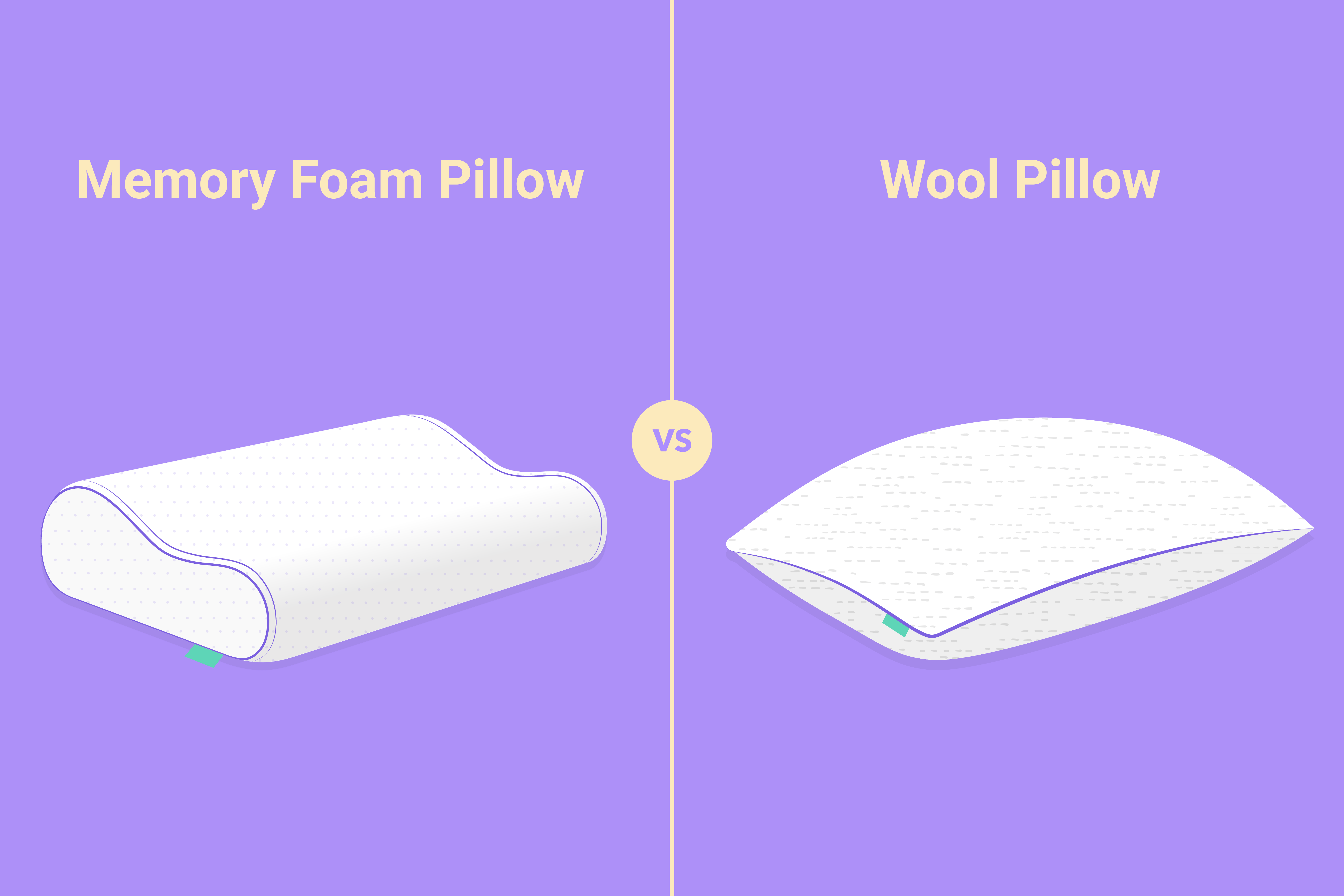
| Feature | Wool | Memory Foam |
|---|---|---|
| Heat retention | Actively releases excess heat | Traps heat close to body |
| Moisture control | Absorbs up to 30% weight | Traps sweat and humidity |
| Off-gassing | None, completely natural | Common, especially when new |
| Lifespan | 5 to 10 years | 2 to 4 years |
| Environmental impact | Fully biodegradable | Non-recyclable petroleum product |
Memory foam may contour closely to your body, but it sacrifices breathability and long-term health in the process.
Wool vs. Cotton vs. Down
- Cotton breathes reasonably well but retains moisture and flattens quickly, requiring frequent washing
- Down feels soft but traps heat, can harbor allergens, loses loft rapidly, and needs professional cleaning
- Wool balances softness, support, moisture control, and durability all in one material
Wool remains the only material that excels simultaneously in comfort, health benefits, and environmental sustainability.
Real Users Report Better Sleep
Verified reviews and long-term feedback confirm wool’s benefits aren’t just theoretical claims.
Verified User Experiences
- “I used to wake up drenched every night. Since adding a wool topper, I stay dry and cool until morning.” — Menopausal woman, age 52
- “My son’s eczema improved dramatically after switching to a wool topper. No more nighttime scratching fits.” — Parent, Oregon
- “It felt slightly firm at first, but after about a week it was perfect. My chronic back pain has disappeared.” — Side sleeper, age 45
- “No weird chemical smell like my old memory foam had. Just a faint natural scent that disappeared within a day.” — First-time wool user, Texas
Long-term users consistently report high satisfaction even after 2 or more years, with many purchasing additional toppers for guest bedrooms.
Value Over Time
While wool toppers cost between $150 and $300, with organic options at the higher end, their exceptional lifespan makes them more cost-effective overall. At roughly $20 to $30 per year of use, they’re significantly cheaper than replacing a $1,000 mattress early due to wear.
Smart Buying Guide: What to Look For
Not all wool toppers deliver equal benefits. Choose wisely to ensure you get everything wool has to offer.
Key Features to Check
- 100% organic wool filling rather than blended with synthetics
- GOTS or Oeko-Tex certification for verified non-toxic assurance
- Removable, washable cover in organic cotton or TENCEL
- Thickness of 2 inches works for most sleepers, 3 inches for extra cushioning
- Size matching your exact mattress dimensions
Trusted Brands to Consider
- Avocado offers GOTS-certified eco-luxury options
- Home of Wool provides pure wool products made in the UK
- Naturepedic is pediatrician-recommended with non-toxic focus
- Woolroom delivers affordable sustainable choices
Buy from brands offering trial periods of 30 to 100 nights and warranties of 1 to 5 years.
Frequently Asked Questions About Wool Mattress Toppers
How does a wool mattress topper help with night sweats?
Wool can absorb up to 30% of its weight in moisture without feeling damp. It pulls sweat directly off your skin and releases it into the air, keeping your sleep surface dry and comfortable throughout the night.
Are wool mattress toppers good for people with allergies?
Yes. Wool naturally resists dust mites, mold, and mildew due to its lanolin content and low moisture retention. It also doesn’t emit volatile organic compounds like many synthetic toppers do.
How long do wool mattress toppers last?
High-quality wool toppers typically last 5 to 10 years, significantly outlasting memory foam (2 to 4 years) or cotton alternatives (2 to 4 years).
Do wool toppers sleep hot or cool?
Wool naturally regulates temperature. It insulates when cold and releases excess heat when warm, making it comfortable year-round for both hot and cold sleepers.
Are wool mattress toppers difficult to maintain?
Not at all. Simply air them in sunlight every few months, spot clean stains as needed, and rotate periodically. Most come with removable, machine-washable covers for easy cleaning.
Are wool toppers worth the higher price?
Yes. While initially more expensive, their 5 to 10 year lifespan works out to about $20 to $30 annually, making them more economical than cheaper options that need replacing every few years.
Final Thoughts on Wool Mattress Topper Benefits
A wool mattress topper isn’t a luxury, it’s a smart investment in better sleep and better health. It regulates your temperature year-round, wicks away moisture to keep you dry, resists allergens and harmful chemicals, and protects your mattress from wear. All while being completely natural, sustainable, and built to last a decade or more.
If you want to sleep cooler, breathe easier, and invest in long-term comfort, wool delivers on every promise. The difference is noticeable from the very first night.