
How to Store Duvets Properly
You’ve just packed away your seasonal bedding, but a few months later, you pull out your duvet only to find it smells musty, feels flat, or has mysterious yellow stains. What went wrong? The answer lies in how you store duvets. Improper storage doesn’t just make your bedding less cozy. It can permanently damage delicate fills like down and attract mold, mildew, and pests.
Storing a duvet might seem as simple as folding it and tucking it away, but the truth is, every step matters: from cleaning and drying to choosing the right container and location. A well-stored duvet stays fresh, fluffy, and ready for use whenever you need it. This guide breaks down exactly how to store duvets the right way, based on fabric type, fill material, and environmental conditions. You’ll learn what containers work best, where to avoid storing bedding, and how to prevent common issues like clumping, odors, and discoloration so your investment lasts for years.
Clean and Dry Your Duvet Before Storing
Wash or Air Out Thoroughly
Always clean your duvet before storage. Body oils, sweat, and dead skin cells attract dust mites, bacteria, and pests. For machine-washable duvets, use a gentle, non-bleach detergent and warm water. Avoid fabric softeners because they leave a residue that traps dirt and moisture. Down duvets need special care: use a mild detergent designed for down to preserve natural oils in the feathers.
If washing isn’t possible, refresh the duvet by airing it outside on a dry, breezy day. Hang it in the shade (not direct sun) for a few hours to remove moisture and restore loft. Never store a duvet that smells even slightly off. You’re sealing in odors that will only grow worse.
Inspect for Damage
Check the duvet for holes, frayed seams, pilling, or stains. Patch small tears to prevent further damage. If the duvet cover shows wear, replace it before storage to protect the insert. Run a lint roller over the surface to remove pet hair and dust. This not only keeps the fabric cleaner but reduces allergens.
Dry Completely
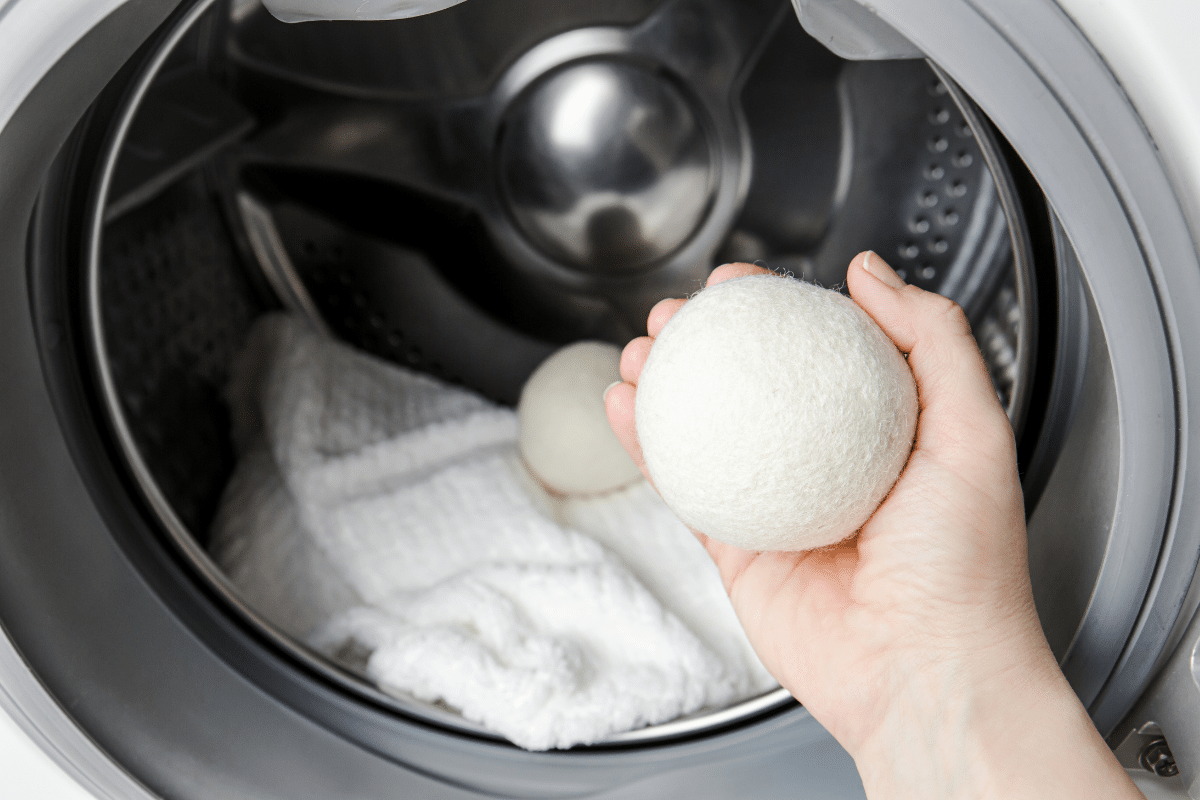
Moisture is the enemy of long-term storage. Even a little dampness can lead to mold, mildew, and musty smells. After washing, dry the duvet on low heat with wool dryer balls or clean tennis balls to break up clumps and restore fluffiness. Stop the dryer halfway to shake the duvet and check for damp spots, especially in thick areas.
For down duvets, be extra cautious. Under-drying is a common mistake. If in doubt, air-dry it fully before storing. The duvet should feel completely dry to the touch, with no cool or damp patches inside.
Store Duvet and Cover Separately
Never store a duvet inside its cover. Trapped moisture between layers can cause mildew, and pressure from zipping or buttoning may distort the filling. Remove the cover and wash it separately. Store both items in breathable containers, but keep them apart to allow airflow and prevent compression.
Choose the Right Storage Container

Use Breathable Fabric Bags
For most duvets, especially those filled with down, feathers, wool, or cotton, breathable fabric containers are best. Cotton and linen storage bags allow air circulation while protecting against dust and bugs. These natural fibers prevent moisture buildup, which is crucial for preventing mold.
Recommended options:
– Cotton storage bags – Ideal for down and delicate fills
– Linen bags – Excellent airflow and durability
– Large breathable garment bags – Repurpose for extra-long duvets
– Clean cotton sheets – Wrap loosely if no bag is available
Avoid plastic trash bags because they trap humidity and create a breeding ground for mildew.
Vacuum-Seal Only When Appropriate
Vacuum-sealed bags save space and work well for synthetic or down-alternative duvets. These materials rebound easily after compression. But never fully vacuum-seal down or feather duvets. Crushing the feathers damages their structure, leading to permanent clumping and loss of loft.
If you must use a vacuum bag for down:
– Leave 20–30% of air in the bag
– Don’t compress tightly
– Fluff immediately upon removal
Even then, breathable storage is always safer for natural fills.
Avoid Plastic Bins Without Ventilation
Sealed plastic bins trap moisture and can cause yellowing, especially in down. If you use plastic containers:
– Choose ones with ventilation holes
– Place the duvet inside a cotton bag first
– Never store directly against plastic
For heirloom quilts or vintage bedding, use acid-free boxes to prevent fiber degradation.
Pick the Best Storage Location
Opt for Cool, Dry, and Dark Spaces
The ideal storage environment is cool, dry, dark, and stable in temperature. Recommended spots:
– Linen closet – Top choice; allows airflow and easy access
– Dresser drawers – Good for folded duvets and covers
– Under-bed storage boxes – Use breathable containers to avoid dust buildup
– Storage ottomans or benches – Stylish and functional; roll the duvet for space-saving
Ensure the area is clean and free of pests before storing.
Avoid High-Risk Areas
Never store duvets in:
– Attics – Hot in summer, cold in winter, prone to pests
– Basements – Often damp and humid
– Garages – Temperature swings and rodent risk
– Bathrooms – Humidity causes mold
– Near windows – Sunlight fades and weakens fabric
– By radiators or vents – Heat dries out fibers and causes brittleness
These locations accelerate fabric breakdown and increase the risk of permanent damage.
Follow Material-Specific Storage Tips
Down and Feather Duvets
Down is delicate and needs room to breathe.
– Fold loosely or roll – Avoid sharp creases
– Use a cotton bag – Never plastic
– Don’t stack heavy items on top – Prevents crushing
– No full vacuum sealing – Partial compression only
– Fluff after storage – Tumble dry on low with dryer balls to restore loft
Pro Tip: Rolling is generally better than folding for down duvets because it prevents sharp creases that can damage the filling.
Synthetic and Down-Alternative Duvets
These are more resilient.
– Can be folded or vacuum-sealed tightly – They rebound well
– Acceptable containers: Cotton bags, vacuum bags, or ventilated plastic bins
– Add a dryer sheet – Helps maintain freshness
– Less prone to damage – Still, avoid damp areas
These duvets tolerate compact storage better than natural fills.
Silk and Delicate Fabric Duvets
Silk is sensitive to moisture and discoloration.
– Store in breathable cotton or linen bags only
– Avoid plastic completely – Can cause yellowing
– Keep in a dark, cool drawer or closet
– Do not fold tightly – Use tissue paper to cushion folds if needed
Handle gently to prevent snags and fiber stress.
Prevent Odors and Pests Naturally

Use Safe Deodorizers
Keep stored duvets fresh with natural odor absorbers:
– Cedar blocks or chips – Absorb moisture and repel moths
– Lavender sachets – Fresh scent and insect deterrent
– Cloves or dried rosemary – Natural pest repellents
– Baking soda in a cloth pouch – Neutralizes stale smells
Place one or two inside the storage bag, away from direct fabric contact.
Avoid Mothballs
Mothballs are toxic, smelly, and can damage fabric. They release harsh chemicals that linger and are unsafe around children and pets. Use cedar or lavender instead because they’re effective and non-toxic.
Inspect Regularly
Check stored bedding every 3–6 months for:
– Musty odors
– Signs of pests (droppings, webbing)
– Moisture or mold
– Discoloration
Early detection prevents bigger problems.
Rotate and Maintain Stored Bedding
Rotate Every Few Months
If you have multiple duvet sets, rotate them into use every 3–6 months. This prevents one set from sitting too long and keeps all bedding fresh. Label sets (e.g., “Set A,” “Set B”) and create a simple schedule.
Air Out Before Use
Even if stored properly, let a duvet breathe before using it. Hang it outside or in a dry room for a few hours. For down duvets, a 15–20 minute tumble dry on low heat with wool dryer balls restores fluffiness.
Wash After Long Storage
For duvets stored over 6 months, wash or professionally clean before use. This removes any accumulated dust or odors and ensures hygiene.
Troubleshoot Common Storage Problems

Musty or Stale Smell
Cause: Moisture buildup, poor ventilation, or storing while damp.
Fix: Wash thoroughly, dry completely, switch to a breathable cotton bag, add cedar or lavender, and store in a drier location.
Mold or Mildew Growth
Cause: Storing a damp duvet or using non-breathable plastic.
Fix: For mild cases, clean with a vinegar-water solution (1:1), rinse, and air-dry in the sun. For severe mold, discard the duvet to avoid health risks.
Lumpy or Flat Down
Cause: Over-compression in storage or stacking heavy items.
Fix: Shake vigorously, then tumble dry on low with dryer balls. Prevent by using loose folding and breathable storage.
Yellowing or Discoloration
Cause: Trapped moisture in plastic, sunlight exposure, or chemical reaction with non-acid-free materials.
Fix: Store in dark, breathable containers. Use acid-free boxes for heirlooms. Avoid plastic contact.
Pest Infestation
Cause: Storing in attics, basements, or garages without protection.
Fix: Move to a climate-controlled area, use cedar blocks, and store in sealed cotton or vacuum bags. Inspect regularly.
Frequently Asked Questions About Storing Duvets
Can you store a duvet in a plastic bag?
No, avoid plastic trash bags and non-ventilated plastic bins. They trap humidity and create conditions for mold and mildew. Use breathable cotton or linen bags instead, or vacuum-seal only synthetic duvets.
How long can you keep a duvet in storage?
A duvet can be stored for several months to a year if properly cleaned, dried, and packed in breathable containers. Inspect every 3–6 months and air out before use.
Should duvets be stored flat or folded?
Rolling is best for down duvets to prevent sharp creases. Folding works for synthetic duvets. Avoid stacking heavy items on top to prevent compression damage.
Is it okay to store a duvet in the attic or basement?
No. Attics and basements experience temperature swings, humidity, and pest problems. Store duvets in climate-controlled areas like linen closets or under-bed boxes.
How do you keep stored duvets smelling fresh?
Add cedar blocks, lavender sachets, or baking soda pouches to the storage bag. Avoid mothballs because they are toxic and leave harsh odors.
Can you vacuum-seal a down duvet?
Only partially. Leave 20–30% air in the bag to prevent crushing the feathers. Fully vacuum-sealing down causes permanent clumping and loss of loft.
Key Takeaways for Storing Duvets the Right Way
Proper duvet storage protects your comfort and your investment. Always clean and fully dry your duvet before packing it away. Choose breathable cotton or linen bags for natural fills, and reserve vacuum-sealing for synthetic duvets. Store in a cool, dry, dark location like a linen closet, and avoid attics, basements, and garages. Use cedar or lavender to keep odors and pests away, and inspect stored bedding every few months.
Your next step: Pick one duvet you currently have in storage, pull it out, and check it against the tips in this guide. If it’s in a plastic bag or stored in a risky location, repackage it today. Your future self will thank you when bedding season returns and every duvet feels fresh, fluffy, and ready to use.