
How to Wash a Goose Down Duvet
A goose down duvet feels luxurious, but the thought of washing it can stop you in your tracks. One wrong move with the wrong detergent or too much heat, and you could end up with clumped filling, torn fabric, or worse, mold hiding inside. The good news is that how to wash a goose down duvet safely at home is straightforward once you know the rules. This guide breaks down every step, from checking the label to the final fluff, so your duvet comes out clean, lofty, and fresh.
Read the Care Label Before You Do Anything
The care label is your decision-maker. Skip this step, and you risk destroying your duvet.
Look for “Machine Washable”
If the label clearly states the duvet is machine washable, you can proceed at home. Most modern down duvets are built to handle gentle cycles when cleaned correctly.
When to Stop and Call a Professional
If the label says “dry clean only,” has no instructions, or is missing entirely, do not machine wash. Goose down is too delicate to guess with. Professional cleaning is your only safe option in these cases.
Wash Only Every 1–2 Years
Down fibers break down with every wash. Less is more when it comes to cleaning frequency.
Standard Home Use
For most households, washing every 1 to 2 years is enough, especially if you use a duvet cover and spot clean spills right away.
Guest Rooms and Rentals
High-turnover situations call for washing every 6 months to keep things hygienic. Without a cover, oils and sweat build up faster.
Airing Goes a Long Way
Between washes, hang your duvet outside or near an open window for a few hours. This refreshes the down, removes trapped moisture, and keeps odors away.
Use a 10kg Front-Load Washer
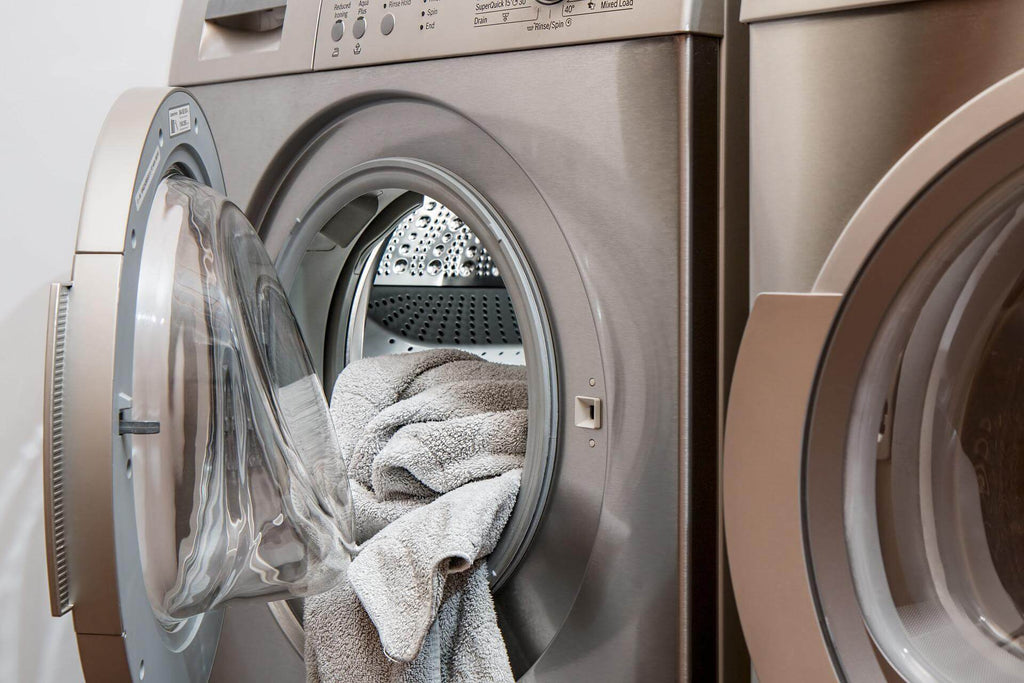
Your washing machine matters more than you think. The wrong machine can shred your duvet in one cycle.
Front-Loading Only
You need a large-capacity, front-loading washing machine with no central agitator. Top-loaders with agitators tear fabric, break stitching, and destroy down clusters.
Minimum 10kg Capacity
Your machine must hold at least 10kg (22 lbs). Anything smaller cramps the duvet, leading to poor cleaning and uneven rinsing.
Wash the Duvet Alone
Never add other items. The duvet needs full room to tumble freely for the best results.
Choose the Right Detergent
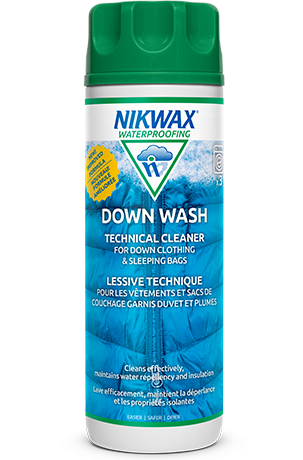
The wrong soap strips natural oils from down and ruins its insulating power.
Go Down-Specific or Mild
Use a down-specific detergent like Nikwax or Granger’s, or a mild, neutral pH detergent. These clean without damaging the down’s natural structure.
Avoid These Additives
• Fabric softener coats fibers and kills loft
• Bleach weakens fabric and breaks down down clusters
• Heavy-duty detergents strip oils and cause brittleness
Use half the recommended amount of detergent to prevent residue buildup.
Set the Temperature to 30°C or Lower
Heat is the enemy of goose down. Even slightly hot water can cause permanent damage.
Maximum 30°C (86°F)
Never go above 30°C. Hot water damages down proteins, causing them to clump and lose their loft for good.
Pick a Gentle Cycle
Choose the delicate or wool cycle with slow agitation. This protects seams and fabric from stress.
Run an Extra Rinse
An additional rinse cycle removes all detergent residue. Leftover soap attracts dirt and flattens your duvet over time.
Dry on Low Heat with Tennis Balls
Drying is the most important step. Skip it, and you risk mold and ruined insulation.
Low Heat Only
Set your dryer to low heat or air-dry. High heat scorches down and shrinks fabric. Expect this step to take 2–4 hours.
Add 2–3 Tennis Balls
Toss in clean tennis balls or wool drying balls. They bounce around, breaking up wet clumps and forcing air into the down to restore loft.
Pause and Fluff Every 30 Minutes
Stop the dryer regularly and shake the duvet vigorously. This redistributes the filling and speeds up drying.
Confirm the Duvet Is 100% Dry
Even slight dampness leads to mold growth within days. Do not store or use the duvet until it is completely dry.
Press Test
Press your hand into the center and corners of the duvet. It should feel completely dry and warm, with no cool or damp spots.
Continue Drying If Needed
If you detect moisture, keep drying in 20-minute intervals. Patience here prevents permanent damage.
Final Air-Out
Once dry, hang the duvet outside or in a well-ventilated room for 1–2 hours to evaporate any remaining moisture.
Know When Professional Cleaning Is the Better Choice
Even with a “machine washable” label, some situations call for an expert.
High-Value or Heirloom Duvets
Expensive or sentimental pieces deserve professional cleaning. Specialists use down-safe methods and industrial dryers.
No Access to a Large Machine
If you do not have a 10kg front-loader, do not risk it. Laundromats with commercial machines work, but confirm the capacity first.
Uncertainty About the Process
If you feel unsure about any step, especially drying, hire a pro. Look for cleaners with experience in down products, not standard dry cleaning services.
Mistakes That Ruin Goose Down Duvets
:max_bytes(150000):strip_icc()/how-to-wash-down-filled-bedding-350482-81ec2947d5144bdca738bcefa5eb1fa9.png)
Avoid these common errors to protect your investment.
Using a Top-Loader with an Agitator
This is the leading cause of damage. The agitator tears fabric and shreds down clusters. Never use this type of machine.
Skipping the Tennis Balls
Without them, down dries in hard clumps. You will lose warmth and comfort. Always use drying balls.
Washing Too Often
Every wash wears down fibers. Stick to every 1–2 years unless the duvet is heavily soiled.
Rushing the Dry Cycle
Incomplete drying causes mold and odors. Never cut drying short, even if the outside feels dry.
Restore Loft After Washing
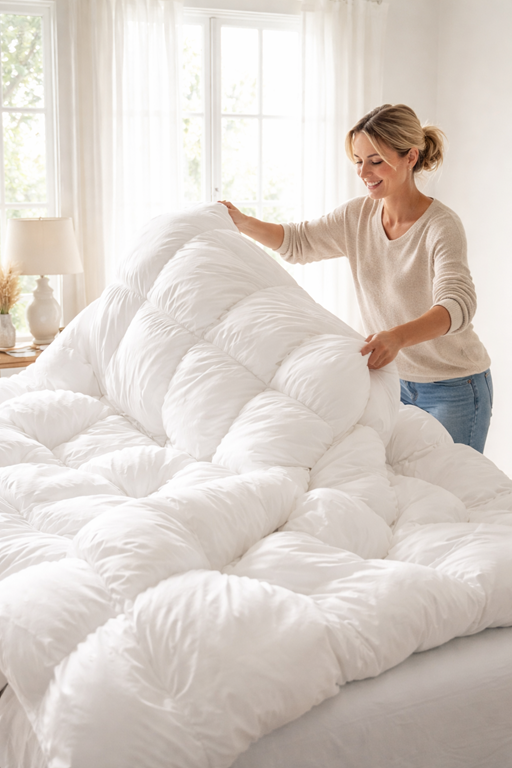
A freshly washed duvet often feels flat. Proper fluffing brings it back to life.
Shake Vigorously
After drying, shake the duvet from each corner to separate down clusters and redistribute the filling evenly.
Use Indirect Sunlight
Lay the duvet in indirect sunlight for 1–2 hours. The warmth helps fluff the down, but avoid direct UV rays to prevent fabric fading.
Store in a Breathable Bag
Never compress the duvet long-term. Use a breathable cotton bag in a cool, dry place. Avoid plastic, which traps moisture.
Simple Habits That Extend Duvet Life
A little routine care keeps your duvet in top shape for decades.
Always Use a Duvet Cover
A cover blocks oils, sweat, and dust from reaching the filling. Wash the cover every 1–2 weeks.
Rotate and Air Monthly
Turn the duvet weekly and air it out monthly to prevent fill shift and moisture buildup.
Blot Spills Right Away
Address spills immediately with a clean towel, then spot clean. Never let stains sit.
Frequently Asked Questions About Washing a Goose Down Duvet
Can I wash a goose down duvet in a regular washing machine?
Only if your machine is front-loading with at least 10kg capacity. Top-loaders with agitators will damage the filling and fabric.
What temperature should I use to wash a goose down duvet?
Use 30°C (86°F) or lower. Hot water damages down proteins and causes permanent clumping.
How often should I wash my goose down duvet?
Every 1–2 years for standard use, or every 6 months for guest rooms and rentals. Using a duvet cover reduces how often you need to wash.
Why do I need tennis balls when drying a down duvet?
Tennis balls bounce during the cycle, breaking up wet clumps and forcing air into the down to restore loft. Without them, the filling dries in hard, unusable lumps.
Can I air-dry a goose down duvet instead of using a dryer?
Air-drying takes much longer and risks uneven drying, which can lead to mold. A low-heat dryer with tennis balls is safer and more effective.
What if my duvet’s label is missing?
Do not machine wash. Take it to a professional cleaner experienced with down products to avoid damage.
Key Takeaways for Washing a Goose Down Duvet Safely
Learning how to wash a goose down duvet comes down to three critical rules. First, always check the care label and never machine wash unless it is explicitly allowed. Second, use a 10kg front-loading machine, mild detergent, and 30°C water to protect the delicate filling. Third, dry on low heat with tennis balls and confirm the duvet is 100% dry before use. When in doubt, professional cleaning is always the safer choice. Start by checking your duvet’s label today, gather your supplies, and plan for a full drying session to keep your duvet fluffy, warm, and fresh for years to come.