How to Dry Mattress Topper Quickly & Safely
Waking up to a damp or musty mattress topper can ruin comfort and pose serious health risks. Whether you’ve just cleaned it thoroughly or dealt with an unexpected spill, knowing how to dry a mattress topper correctly is essential for maintaining its comfort and hygiene. Trapped moisture breeds mold, degrades materials, and shortens the topper’s lifespan, especially in foam or fiber-filled models. The key isn’t just removing surface wetness but ensuring complete internal dryness across every layer.
This guide covers the safest, most effective ways to dry any type of topper—memory foam, down, fiberfill, latex, or hybrid—based on material-specific needs and manufacturer-approved methods. You’ll learn how to use your dryer without causing damage, speed up air drying, prevent clumping, and confirm full dryness before use.
Check the Care Label First
Before attempting any drying method, always examine the care label attached to your mattress topper. This label provides critical manufacturer instructions that dictate whether your topper can be machine dried, must air dry only, or requires spot cleaning only. Ignoring these instructions can lead to shrinkage, melting, or permanent damage, especially with memory foam, gel-infused layers, or vinyl backing.
Care labels typically specify whether the topper is machine washable, tumble dry safe, the maximum temperature limits, and any prohibited chemicals such as bleach or fabric softeners. If the care label is missing, identify the material by feel and structure: foam feels dense and slow-rebounding, down and fiber feel lightweight and fluffy, latex feels firm and bouncy, and cotton or wool feel breathable and textured. When in doubt, default to air drying since it’s the safest option for delicate or unknown materials.
Choose the Right Drying Method by Material Type
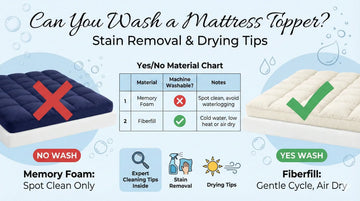
Not all mattress toppers can go in the dryer. Using the wrong method risks irreversible damage to your investment. Selecting the appropriate drying approach depends entirely on what your topper is made of.
Tumble Drying for Fiber, Down, and Cotton Toppers
Tumble drying works best for washable fiberfill, down, feather, or cotton toppers. Use a large-capacity dryer to ensure even tumbling without overloading the drum. Set the dryer to low heat or a delicate setting, keeping the maximum temperature at 60°C or 140°F. Add two to three dryer balls to the drum to break up clumps and reduce drying time by up to 50%. Tumble the topper in 30-minute intervals, removing it each time to shake vigorously and fluff by hand before returning it to the dryer. Repeat this process until the topper is fully dry, which typically takes two to six hours. Let the topper cool for 15 to 30 minutes before using or storing it.
Air Drying for Foam, Latex, and Hybrid Toppers
Memory foam, latex, egg-crate, and gel-infused models must air dry only. Heat warps foam and melts gel, while moisture gets trapped deep inside these materials. Lay the topper flat on a clean, dry surface such as a drying rack or hardwood floor. Keep it away from direct sunlight, radiators, or enclosed spaces. Place oscillating fans on both sides to improve air circulation, and use a dehumidifier if room humidity exceeds 50%. Flip the topper every two to four hours to expose both sides to airflow, gently patting and fluffing during each flip. Allow 24 to 72 hours for complete drying, depending on thickness.
Prepare Your Mattress Topper After Washing
After washing your topper, proper preparation before drying prevents damage and ensures thorough moisture removal. Never wring or twist the topper since this damages fibers and compresses foam permanently.
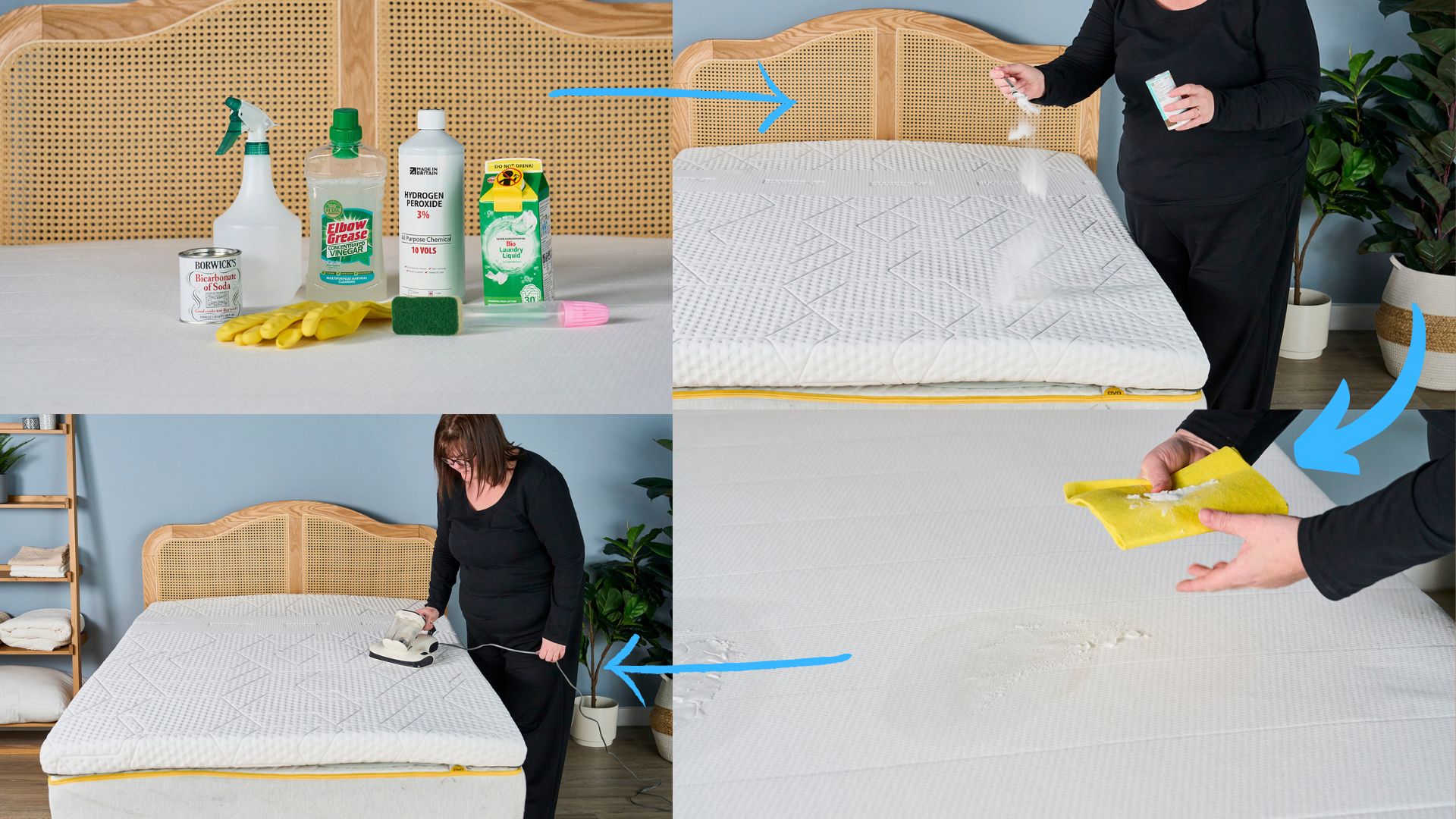
For machine-washed toppers, use a spin cycle at low speed, ideally 800 rpm maximum. Press gently between clean towels to absorb surface water, then lay flat immediately for drying. For bathtub or deep cleaning, submerge and rinse if the material allows, then press gently to release water rather than wringing. Place on a water-resistant mesh rack for drainage and blot with dry towels before air drying. For spot cleaning, blot liquid with absorbent towels immediately. Use a wet/dry vacuum on foam to extract deep moisture, then pat dry and use a fan for one to two hours. Wait at least four to six hours before covering the topper to ensure complete drying.
Critical reminder: residual cleaning agents like vinegar or enzyme cleaners must fully evaporate to avoid odor or skin irritation.
Dry According to Material Type
Each mattress topper material requires specific handling to dry safely and effectively without causing damage.
Memory Foam: Air Dry Only
Memory foam absorbs water like a sponge and dries very slowly. Never machine wash or tumble dry memory foam since heat causes cracking, shrinking, or off-gassing. Lay flat indoors away from direct sunlight, use fans on low setting, and flip every three to four hours. Avoid folding or placing heavy objects on the topper during drying. Expect drying time of 12 to 24 hours or longer.
Down and Feather: Tumble Dry With Frequent Fluffing
Down loses loft when wet and clumps if not dried thoroughly. Tumble dry on low heat with dryer balls or clean tennis balls in socks. Stop every 15 to 20 minutes to shake and fluff the filling. Dry for three to six hours until completely dry, then cool before use.
Latex: Air Dry After Spot Cleaning
Natural and synthetic latex are durable but sensitive to saturation. Do not submerge latex toppers. Spot clean only, blot excess moisture, then air dry flat with a fan for faster evaporation. Drying time ranges from 12 to 24 hours. Full immersion can cause delamination or core breakdown.
Fiberfill and Polyester: Tumble Dry Safely
Synthetic fills are resilient and dryer-safe when handled correctly. Use low heat, add dryer balls, and fluff every 30 minutes. Dry in two to four hours and cool before use. Avoid high heat since it melts fibers and causes shrinkage.
Gel-Infused Foam: Air Dry Only
Gel beads can leak or degrade under heat. Never use a dryer or direct heat on these toppers. Lay flat in a ventilated area, use fans and a dehumidifier, and flip every four hours. Drying time is 12 to 24 hours.
Cotton and Wool: Low Heat or Air Dry
Cotton may shrink and wool can felt under high heat. Tumble dry on low heat or air dry flat. Avoid high heat and fluff regularly. Cotton takes two to 12 hours to dry, while wool takes three to five hours.
Vinyl-Backed Toppers: Low Heat Only
Vinyl melts easily and requires careful handling. Tumble dry on low heat or air dry. Never expose to high heat. Ensure seams and backing are fully dry before use. Drying time is four to eight hours.
Speed Up Drying Time Safely
Even with the right method, drying can take many hours. These tools and techniques significantly reduce drying time without damaging your topper.
Use fans strategically by placing oscillating fans on both sides of the topper. For foam toppers, aim airflow directly into crevices or grooves. Avoid high fan speed that might displace lightweight fills.
Run a dehumidifier in rooms with humidity above 50%. The dehumidifier removes ambient moisture from the air, accelerating evaporation. This method works best when paired with fans.
Extract moisture early by pressing the topper between dry towels after cleaning. Use a wet/dry vacuum on foam surfaces and blot repeatedly with microfiber cloths to remove as much moisture as possible before drying begins.
Optimize room conditions by opening windows for cross-ventilation and maintaining room temperature above 20°C or 68°F. Avoid drying in basements or closets where airflow is limited. In dry climates, outdoor shade drying under a screen works well, but never place the topper in direct sunlight.
Prevent Common Drying Mistakes
Even correct methods fail when basic precautions are ignored. Avoid these frequent errors to protect your mattress topper.
Never use high heat since it melts foam, vinyl, and synthetic fibers, causes brittleness in memory foam, and shrinks cotton or felts wool. Keep temperatures below 60°C or 140°F at all times.
Don’t fold or compress the topper during drying since this traps moisture in folds, causes permanent creases in foam, and leads to uneven drying. Keep the topper flat at all times.
Avoid direct sunlight because UV rays degrade foam and fabric, cause fading and weakening of seams, and increase surface temperature beyond safe levels. Keep toppers in shaded areas.
Never skip the cool-down period after machine drying. Trapped heat turns into condensation and leads to internal dampness by morning. Approximately 74% of users report stiffness when cooling is skipped. Additionally, never leave a topper unattended in the dryer since fire risk increases with prolonged heat exposure.
Confirm Your Mattress Topper Is Fully Dry
A topper may feel dry on the surface but still contain moisture deep inside. Use these verification methods before re-covering or using the topper.
Perform a touch test by pressing your palms into the center, edges, and seams. No cool or damp sensation should be felt. Foam should spring back quickly when pressed.
Conduct a smell test. No musty, sour, or chemical odors should be present. Lingering vinegar or detergent smell indicates incomplete drying.
Check weight and texture. A dry topper feels lighter than when wet. Down and fiber should be fluffy, not clumped. Foam returns to original firmness.
Consider using a moisture meter as an optional tool. Insert the probe into the core. Readings below 10% moisture content indicate the topper is fully dry.
Critical warning: mold can grow within 24 to 48 hours in damp conditions. If you’re unsure whether the topper is completely dry, continue drying until you’re certain.
Restore Loft and Comfort After Drying
Even properly dried toppers can feel flat. Restore bounce and thickness with these simple techniques.
For fiber and down toppers, shake vigorously to redistribute the filling. Pat and smooth the surface, then tumble dry on low with dryer balls for 10 to 15 minutes to restore maximum loft.
For foam toppers, gently press and release across the entire surface to encourage expansion. Allow 24 to 48 hours to fully recover its original thickness. Sleeping on it for two to three nights accelerates the expansion process.
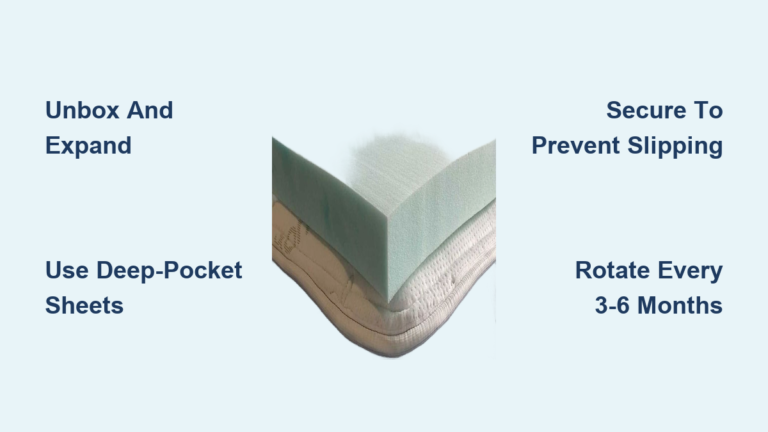
Note that compressed toppers shipped vacuum-sealed need 24 to 48 hours to expand fully after unpacking. This is normal and not a defect.
Maintain Long-Term Dryness
Regular care reduces the need for full drying and extends your topper’s lifespan.
Use a mattress protector that is waterproof or hypoallergenic. These covers block spills and sweat while allowing breathability and protecting the core material.
Air out daily by leaving the bed unmade for 30 minutes each morning. This lets moisture evaporate from sheets and the topper.
Rotate every three to six months to prevent uneven wear and moisture retention. This extends both lifespan and comfort.
Vacuum monthly to remove dust, allergens, and debris. This keeps the surface clean and breathable, reducing moisture buildup.
Key Takeaways for Drying Your Mattress Topper
Drying a mattress topper properly is critical for hygiene, performance, and longevity. Follow these essential rules to protect your investment.
Always check the care label first. Manufacturer instructions override general advice and ensure you don’t damage the material.
Tumble dry only fiber, down, and cotton toppers on low heat with dryer balls. Air dry foam, latex, and gel-infused toppers. Never use heat on these materials.
Fluff every 30 minutes during machine drying to prevent clumping and reduce drying time by up to 30%.
Flip every two to four hours when air drying to ensure even moisture removal from both sides.
Use fans and dehumidifiers to speed up the process, especially in humid environments.
Ensure complete dryness before re-covering or using the topper. Test the core, edges, and seams to confirm no moisture remains.
Let the topper cool after machine drying to prevent internal condensation and stiffness.
Frequently Asked Questions About Drying Mattress Toppers
Can I put my mattress topper in the dryer?
It depends on the material. Fiberfill, down, feather, and cotton toppers can be tumble dried on low heat. Memory foam, latex, gel-infused, and egg-crate foam toppers must air dry only. Always check the care label before attempting machine drying.
How long does it take to air dry a mattress topper?
Air drying takes 24 to 72 hours depending on material, thickness, room temperature, and humidity. Foam toppers take 12 to 24+ hours, while fiberfill typically dries in 2 to 6 hours with active airflow.
Can I speed up drying time without damaging the topper?
Yes. Use oscillating fans on both sides, run a dehumidifier in humid rooms, and extract excess moisture with towels or a wet/dry vacuum before drying. Never use high heat or direct sunlight to speed drying.
How do I know if my mattress topper is fully dry?
Perform a touch test pressing into the center, edges, and seams with no cool or damp feeling. Conduct a smell test with no musty odors. The topper should feel lighter than when wet, and foam should spring back quickly.
What happens if I use a damp mattress topper?
Using a damp topper leads to mold growth within 24 to 48 hours, especially in humid conditions. Mold causes musty odors, respiratory issues, and degrades the material, permanently damaging the topper.
Can I dry my mattress topper outside in the sun?
No. Direct sunlight UV rays degrade foam and fabric, cause fading, and weaken seams. Air dry in shaded outdoor areas or indoors with good ventilation instead.