How to Choose a Mattress Topper for Back Pain
If you wake up with a stiff lower back, hip soreness, or shoulder tension, your mattress may not be supporting your spine properly. A mattress topper for back pain can be a game-changer, offering targeted relief by improving spinal alignment, reducing pressure points, and restoring comfort to an aging but still usable mattress. It is a cost-effective alternative to buying a new bed, especially if your current mattress has good structural integrity but feels too firm or too soft in key areas.
Back pain during sleep often stems from poor posture. When your hips sink too deeply or your lower back arches unnaturally, muscles and ligaments stay tense all night, leading to chronic discomfort. The right topper helps maintain the spine’s natural S-curve, cushioning pressure zones while keeping your body level. In this guide, you will learn how to pick a topper that truly supports your back based on material, thickness, cooling performance, and real-world testing results.
Match Firmness to Your Sleep Position
Your sleeping posture determines how much support you need. Choosing the wrong firmness can worsen back pain instead of relieving it.
Side Sleepers Need Softer Support
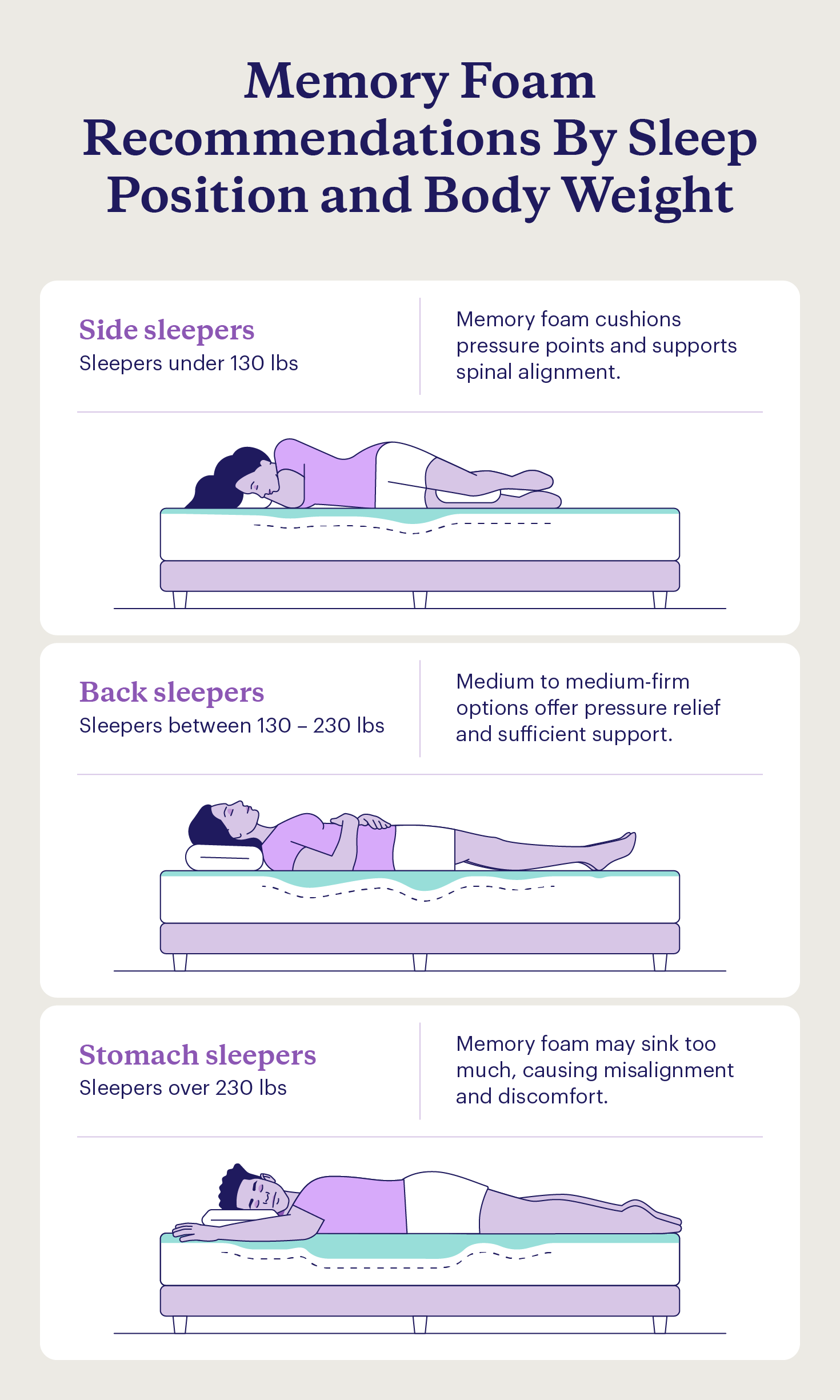
Side sleepers require softer toppers around 4 to 5 on a 10-point scale so shoulders and hips can sink slightly, keeping the spine straight. A 2 to 3 inch thick memory foam or latex topper works best, allowing deep pressure relief without letting the hips drop too low. Lightweight individuals under 130 pounds benefit most from soft-contouring foams, while average-weight users should opt for medium firmness to avoid bottoming out.
Back Sleepers Benefit from Balanced Firmness
Back sleepers do best with medium to medium-firm toppers in the 5 to 6 range. This range offers enough cushioning for the lower back while preventing excessive sagging. A 2 to 3 inch thickness ensures proper spinal alignment, especially when combined with lumbar zone reinforcement. High-density memory foam or hybrid models provide ideal balance between comfort and support.
Stomach Sleepers Require Firm Support
Stomach sleeping is tough on the lower back. Without proper support, the pelvis sinks, causing lumbar hyperextension. Choose a medium-firm to firm topper in the 6 to 7 range, no more than 1.5 to 2 inches thick, to keep the spine neutral. High-density polyfoam or thin gel-infused memory foam prevents sinking and promotes better posture.
Combination Sleepers Should Prioritize Responsiveness
If you shift positions frequently, a medium-firm topper with good responsiveness helps you move easily without losing support. Memory foam hybrids or Talalay latex offer bounce and pressure relief, making transitions smoother. This is critical for those with stiff joints or back pain.
Pick the Right Material for Pain Relief

The material defines how well the topper supports your spine, regulates heat, and lasts over time.
Memory Foam Offers Deep Contouring
Memory foam molds closely to your body, distributing weight evenly and relieving pressure on hips and shoulders. It is especially effective for side sleepers and pressure-sensitive individuals. However, traditional memory foam traps heat. Look for cooling enhancements like gel, graphite, or copper infusions to stay comfortable.
Top options include the Saatva Graphite Memory Foam Topper with graphite infusion for superior heat dissipation, the Bear Pro Topper with copper infusion for antimicrobial and cooling benefits, and the TEMPUR-Adapt Topper with proprietary foam for deep contouring.
Gel-Infused Foam Cools Better Than Standard Foam
Gel-infused memory foam improves airflow and reduces heat retention. Models like Nectar, Brooklyn Bedding Gel Swirl, and ViscoSoft Select use swirl patterns or gel beads to disperse heat. While effective initially, some users report diminished cooling over time.
Graphite-Infused Foam Excels in Heat Dissipation
Graphite conducts heat more efficiently than gel. In testing, the Saatva Graphite retained only 6.9°F after one minute, the lowest of any model tested. Combined with an organic cotton cover, it is one of the coolest options available.
Copper-Infused Foam Adds Antimicrobial Benefits
Copper not only helps wick moisture but also resists bacteria and mold. This is ideal for hot sleepers or allergy sufferers. The Laya Cooling Copper Gel Mattress Topper features CertiPUR-US certified foam, ensuring safety and low off-gassing.
High-Density Polyfoam Provides Durable Support
More responsive than memory foam, high-density polyfoam at 4 lb/ft³ or higher resists sagging and maintains firm support. It is ideal for back and stomach sleepers who need structure without deep sinkage. Models like Saatva High-Density Foam and Nolah AirFoam Luxe offer long-term durability.
Latex Delivers Natural Responsiveness
Natural or synthetic latex is breathable, durable, and eco-friendly. Dunlop latex is denser and firmer, great for support. Talalay is softer and more cushioned. Latex is recommended for hot sleepers, eco-conscious buyers, and side and combination sleepers.
Top picks include Silk & Snow Organic with Dunlop latex, Birch Plush Organic with Talalay, and Saatva Natural Latex.
Hybrid Toppers Combine Foam and Microcoils
Hybrid toppers like the Helix GlacioTex Premium Topper include a 0.75-inch layer of microcoils beneath memory foam. This adds structural reinforcement, especially in the lumbar zone, enhancing spinal alignment and edge stability. Though heavier and pricier, hybrids offer superior support for chronic back pain sufferers.
Choose the Right Thickness for Your Needs

Thicker is not always better. The ideal thickness depends on your body weight and pain severity.
1.5 to 2 Inches: Ideal for Stomach Sleepers
A thinner topper subtly adjusts firmness without altering the mattress feel too much. It is perfect for stomach sleepers who need minimal lift to prevent pelvic sinkage. It is also suitable for older adults with limited mobility who struggle to get in and out of bed.
2 to 3 Inches: Best for Most Back Pain Sufferers
This range delivers significant pressure relief and spinal support. It transforms a too-firm mattress into a comfortable surface while maintaining structural integrity. Physical therapist Dhara Shah recommends this range as optimal for long-term back pain relief.
3 to 4 Inches: For Heavyweight Individuals
People over 230 pounds need extra depth and high-density foam at 5 lb/ft³ or higher to avoid compression. A 3 to 4 inch topper like the ViscoSoft Select provides deep cushioning and lasting support, especially on very firm mattresses.
5 Inches: Maximum Softness, Limited Mobility
Only consider 5-inch models if you have severe discomfort and do not struggle with movement. These ultra-deep toppers can make it hard to roll over or exit the bed, especially risky for seniors or those with mobility issues.
Maximize Pressure Relief and Spinal Alignment
A topper must do more than feel soft. It must support your spine and relieve stress on key joints.
Look for Zoned Support Features
Some toppers like the Helix ErgoAlign feature reinforced zones under the lumbar and hip areas. This targeted support keeps the spine neutral and reduces lower back strain. Zoning is especially helpful for back and side sleepers.
Test for Proper Spinal Alignment
In human testing, several models scored 4.3 out of 5 for spinal alignment, including Brooklyn Bedding CopperFlex 201, Nectar Mattress Topper, and Saatva Graphite. Testers reported feeling spine-aligned and noted reduced hip and shoulder pressure. The Helix Premium scored slightly lower at 4.0 but still performed well due to its hybrid microcoil layer, which fills gaps between the body and mattress.
Avoid Excessive Sinkage
Deep sinkage can trap you and hinder repositioning. In a 45-pound kettlebell test, Helix Premium showed 4.2 inches of sinkage, Saatva Graphite showed 3.75 inches, and the average across models was 3.6 inches. High sinkage may be problematic for older adults or those with achy backs. If you struggle to move at night, choose a firmer, less sinking model.
Prioritize Edge Support and Stability
Strong edges prevent rolling off and make sitting on the bed easier. This is especially important for seniors or those with mobility challenges.
Nectar Offers Best Edge Support
The Nectar topper received high marks for edge stability. Testers noted they did not feel like they were falling off and felt lifted when sitting down. Its dense foam construction provides firm perimeter support, making it ideal for older adults.
Avoid Weak-Edged Models
The Brooklyn Bedding CopperFlex 201 had low edge support. Testers reported edges sinking too much and feeling like they might roll off. Hybrid models generally perform better due to internal support layers.
Ensure You Can Move Easily During Sleep
Responsiveness affects how easily you can shift positions. This is a key factor for back pain sufferers.
Saatva Graphite Allows Smooth Movement
Testers noted there is a small amount of spring to the foam, allowing them to move around pretty easily. Its graphite-infused foam balances contouring with bounce, reducing effort when repositioning.
Thinner Toppers Reduce Sinkage
The Brooklyn Bedding CopperFlex 201 with its 2-inch design prevents deep sinking, making it easier to roll over. For combination sleepers or those with joint stiffness, lower sinkage improves nighttime mobility.
Keep Cool With Temperature-Regulating Features
Overheating increases pain sensitivity and disrupts sleep cycles. Choose a topper that actively cools.
Graphite Infusion Beats Gel for Cooling
In cooling tests using a thermal gun, Saatva Graphite retained 6.9°F, Sappa Graphite retained 6.9°F, and Nectar Cooling Gel retained 9.2°F. Graphite conducts heat away faster than gel, making it the top choice for hot sleepers.
Natural Materials Stay Cooler
The Birch Plush Organic uses organic wool, cotton, and natural latex. All are breathable and moisture-wicking. No synthetic cooling agents are needed. It stays naturally cool throughout the night.
Look for Open-Cell or Perforated Foam
Foams with open-cell structures or perforations allow air to circulate, reducing heat buildup. The Brooklyn Bedding Gel Swirl uses a swirl pattern to enhance airflow, keeping the surface temperature moderate.
Prevent Slippage With Non-Slip Features
A shifting topper creates uneven support, worsening back pain.
Choose Models With Straps or Gripper Bottoms
Top performers include Helix Premium with gripper bottom or elastic straps, Saatva Graphite with elastic corner straps, and Brooklyn Bedding CopperFlex 201 with anti-slip backing. These features keep the topper securely in place, ensuring consistent support night after night.
Avoid Slippery Models Like Nectar
The Nectar topper has no straps, increasing the risk of movement. This is especially problematic for mobility-limited users. If you choose Nectar, consider using a fitted sheet with deep pockets or a non-slip pad underneath.
Invest in Durability and Safety Certifications
Long-term relief depends on material quality and safety.
Choose High-Density Foam
Higher density means better resistance to sagging and compression. For heavyweight users over 230 pounds, foam at 5 lb/ft³ or higher is essential for lasting support.
Look for Trusted Certifications
CertiPUR-US certification ensures foam is free from harmful chemicals and has low VOC emissions. GREENGUARD Gold indicates safety for sensitive individuals with ultra-low emissions. GOTS certification covers organic cotton covers, GOLS covers organic latex, and eco-INSTITUT provides independent testing for toxins.
Check Warranty Length
Longer warranties reflect manufacturer confidence. Birch Plush and Nolah AirFoam Luxe offer 10-year warranties. TEMPUR-Adapt offers 1 year, while Tempur Topper Supreme offers 10 years but is non-returnable.
Final Recommendations by Use Case
The best mattress topper depends on your specific needs. Here are the top recommendations for different situations.
For best overall support and spinal alignment, the Helix Premium with its hybrid construction and microcoils excels. For best value, the Nectar Cooling Gel at $306 for a queen size offers dual firmness and strong spinal alignment. For side sleepers, the Saatva Graphite provides 3 inches of graphite-infused foam with excellent pressure relief. For cooling performance, both Saatva Graphite and Sappa Graphite retained only 6.9°F in testing. For eco-conscious buyers, the Birch Plush Organic offers GOTS and GOLS certified organic materials. For older adults with mobility issues, the Nectar provides strong edges and moderate sinkage. For stomach sleepers, Nectar or Brooklyn Bedding Gel Swirl offer firmer, thinner options. For couples needing dual firmness, the Helix Dual Comfort provides medium-soft on one side and medium-firm on the other. For heavyweight individuals, the ViscoSoft Select at 4 inches with high-density foam is recommended. For seniors, the Birch Plush Organic delivers plush yet supportive comfort with breathable wool.
Know When a Topper Will Not Help
A topper is not a fix-all. It works only if your base mattress is in good condition.
Replace Your Mattress If
Replace your mattress if it is 7 to 10 years old or older. Replace it if you see visible sagging, lumps, or indentations. Replace it if the frame or coils are damaged. Placing a topper on a sagging mattress will follow the dip, offering little real support. In such cases, replacement is the only solution.
Combine With Smart Sleep Habits
A great topper works best when paired with healthy sleep practices.
Optimize Your Sleep Position
Back sleepers should place a pillow under the knees to reduce lower back strain. Side sleepers should use a pillow between the knees to align hips and spine.
Practice Good Sleep Hygiene
Go to bed and wake up at the same time daily. Avoid caffeine after noon. Limit screen exposure one hour before bed.
Manage Stress and Pain
Try meditation or deep breathing before sleep. Engage in low-impact exercise like walking or swimming. Chronic stress amplifies pain perception. Address it for better rest.
Frequently Asked Questions About Mattress Toppers for Back Pain
What firmness level is best for back pain?
Medium-firm toppers generally work best for back pain, around 5 to 6 on a 10-point scale. This provides enough support to keep your spine aligned while still offering cushioning for pressure points. However, the ideal firmness depends on your sleep position and body weight.
How thick should a mattress topper be for back pain?
For most back pain sufferers, 2 to 3 inches offers the best balance of pressure relief and spinal support. Thinner toppers work for stomach sleepers or minor adjustments. Thicker options at 3 to 4 inches suit heavyweight individuals over 230 pounds.
Can a mattress topper fix a sagging mattress?
No. A topper cannot compensate for a failing mattress with visible sagging, lumps, or structural damage. It will simply conform to the existing dip, providing minimal real support. In these cases, mattress replacement is necessary.
Do cooling features really work in mattress toppers?
Yes, but effectiveness varies. Graphite-infused foam performs best in cooling tests, retaining only 6.9°F of heat. Gel-infused foam offers moderate cooling that may diminish over time. Natural materials like organic wool and latex also stay naturally cool.
How long does a quality mattress topper last?
A quality mattress topper typically lasts 3 to 5 years with proper care. High-density foams and latex toppers tend to last longer than standard memory foam. Checking the warranty can indicate expected lifespan, with some offering up to 10 years of coverage.
Key Takeaways for Choosing a Mattress Topper for Back Pain
Choosing the right mattress topper for back pain requires matching firmness, material, and thickness to your specific sleep position and body type. A medium-firm topper in the 2 to 3 inch range made from high-density memory foam, latex, or hybrid materials offers the best balance of support and comfort for most people. Always prioritize spinal alignment and pressure relief over thickness, and remember that no topper can fix a failing mattress.
Top performers like Helix Premium, Nectar, Saatva Graphite, and Brooklyn Bedding CopperFlex 201 have proven effective in lab and human testing. Graphite-infused foams lead in cooling performance, while hybrid models excel in spinal support. When used correctly, the right topper becomes part of your pain management strategy, helping you wake up refreshed, aligned, and pain-free.