How to Choose a Duvet Cover: Quick Guide
You’ve made the smart move to switch to a duvet system, which is lightweight, easy to care for, and perfect for refreshing your bedroom style without breaking the bank. But now comes the real decision: how to choose a duvet cover that fits your bed, sleep style, and aesthetic. With endless options in fabric, size, closure, and price, the process can feel overwhelming. The right duvet cover isn’t just about looks. It affects how cool or warm you sleep, how often you wash it, and whether your duvet stays neatly tucked all night.
This guide cuts through the noise. You’ll learn how to match fabric to your climate, size your cover for a perfect fit, pick the best closure for your routine, and avoid costly mistakes. Whether you’re a hot sleeper, a pet owner, or someone chasing that hotel-worthy bed, we’ll walk you through every factor so you can choose with confidence.
Understand the Duvet System Before You Shop
Before picking a cover, it helps to know what makes a duvet different from other bedding.
Duvet vs. Comforter: The Key Difference
A duvet is a two-part system: an insert (the fluffy inside) and a removable cover. Think of it like a pillow and pillowcase. The cover protects the insert from stains, sweat, and wear, and you only wash the cover, never the heavy insert. This makes upkeep simple.
A comforter is one solid piece. The filling is stitched inside the outer shell, so you must wash or dry clean the entire thing when it gets dirty. Over time, this wears down both the fabric and the filling.
Why choose a duvet?
You can swap covers seasonally (linen in summer, flannel in winter) without buying new bedding. You can also adjust warmth by changing the insert. Plus, your duvet stays fresh longer because the cover absorbs all the wear.
Match Fabric to Your Sleep Temperature
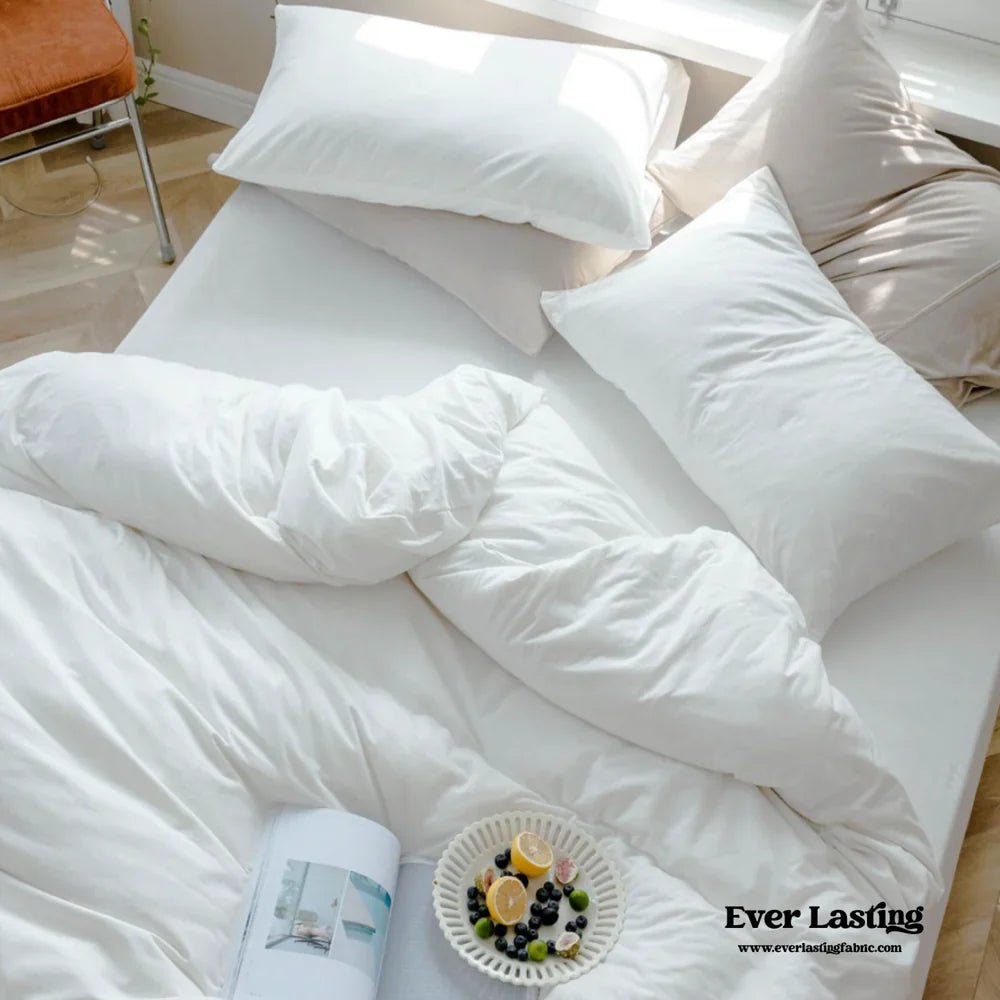
The material of your duvet cover directly impacts comfort, breathability, and durability.
Best Fabrics for Hot Sleepers
If you wake up sweaty or prefer a cool touch, choose breathable, moisture-wicking fabrics.
Linen: Cool and Natural
Linen is made from flax and works well in hot climates. It pulls moisture away from your body and dries fast. It starts crisp but softens with each wash. The trade-off? It wrinkles easily, which is part of its relaxed charm.
Percale Cotton: Crisp and Airy
Percale has a tight, one-over-one-under weave that feels cool and lightweight. It has a matte finish, not shiny, and suits those who love a hotel-sheet feel. Look for 100% cotton percale with a thread count between 200 and 400. Higher isn’t always better.
Tencel (Lyocell): Silky and Sustainable
Made from eucalyptus, Tencel naturally regulates temperature and feels silky soft. It resists bacteria and odors, making it great for sensitive skin. It wrinkles more than cotton and may lose a bit of softness over time, especially in hard water.
Waffle Weave: Breathable and Textured
The honeycomb pattern traps air, promoting airflow and cooling. It’s lightweight and great for layering. Watch out, because jewelry or pet claws can snag the loops.
Best Fabrics for Cold Sleepers
If you’re always reaching for extra blankets, go for cozy, insulating materials.
Flannel: Soft and Warm
Brushed cotton flannel feels like a favorite sweatshirt. It’s warm, plush, and great for winter. It doesn’t give a crisp look, so expect a lived-in, cozy vibe. High-quality flannel resists pilling, even with pets in the bed.
Sateen Cotton: Smooth and Cozy
Sateen uses a four-over-one weave that creates a silky, slightly shiny surface. It’s warmer than percale and drapes beautifully. It holds heat, so skip it if you run hot.
Brushed Cotton: Everyday Comfort
Mechanically softened for a worn-in feel, brushed cotton is like a soft t-shirt. It’s warmer than regular cotton and ideal for year-round use in moderate climates.
Budget and Low-Maintenance Options
Polyester and Blends: Wrinkle-Resistant and Affordable
Polyester duvet covers resist fading and wrinkles, making them easy to care for. They’re less breathable, though, and can trap heat. Best for cold sleepers or those on a tight budget. Look for microfiber blends with a soft finish.
Silk: Luxe and Hypoallergenic
Silk naturally repels dust and feels gentle on skin and hair. It’s breathable yet warm, which makes it ideal for humid climates. It requires delicate care, often dry cleaning.
Size Your Cover for a Perfect Fit

A poorly sized cover leads to shifting, bunching, and a messy bed.
Standard Duvet Cover Dimensions
| Bed Size | Cover Dimensions (inches) |
|---|---|
| Twin | 70 x 90 |
| Full/Queen | 90 x 96 |
| Oversized Queen | 98 x 96 |
| King | 108 x 96 |
| Oversized King | 116 x 96 |
Note that duvet sizes are larger than mattress sizes to allow overhang. A Queen mattress is 60″x80″, but a Queen duvet is typically 90″x96″.
The 1 to 2 Inch Rule
For a snug, plush fit, your duvet cover should be 1 to 2 inches smaller than your insert on all sides. This keeps the insert taut and prevents it from slipping around inside.
Too small? The insert won’t fit or will strain the seams.
Too big? The insert “swims,” creating cold spots and a lumpy look.
Account for Shrinkage
100% cotton covers can shrink 1 to 3% after the first wash. If you’re between sizes, size up, especially if the cover isn’t pre-washed. Blends and Tencel shrink less.
When to Size Up
Consider a larger cover if:
– You have a deep mattress or topper
– You share the bed and move a lot
– You want a fuller, more luxurious drape
Many testers found “Full/Queen” covers too narrow for Queen inserts, causing a lumpy center. Sizing up to King often solves this problem.
Pick the Right Closure for Your Routine
How your cover closes affects ease of use and whether your duvet stays put.
Button Closures: Classic but Slow
Buttons are traditional and give a clean, tailored look. They’re durable but take time to fasten. Lower-quality buttons can pop off. Some leave small gaps at the bottom, exposing the insert.
Zipper Closures: Fast and Secure
Zippers are the most convenient option. Just zip and go. They fully enclose the duvet, so nothing slips out.
L-Shaped Zipper: Easiest Insertion
This design wraps around a corner, letting the cover open completely flat. Inserting the duvet becomes a breeze, with no wrestling with a closed sack.
Hidden Zipper: Seamless Look
A fabric flap covers the zipper, giving a clean, sheet-like finish. Great for a minimalist aesthetic.
The downside? Zippers can be noisy or get stuck, especially around corners on L-shaped models.
Ties and Snaps: Extra Security
Some covers use internal ties or snaps instead of zippers. These are less common but offer a breezy, casual look. They are less secure than zippers.
Stop the Insert from Shifting
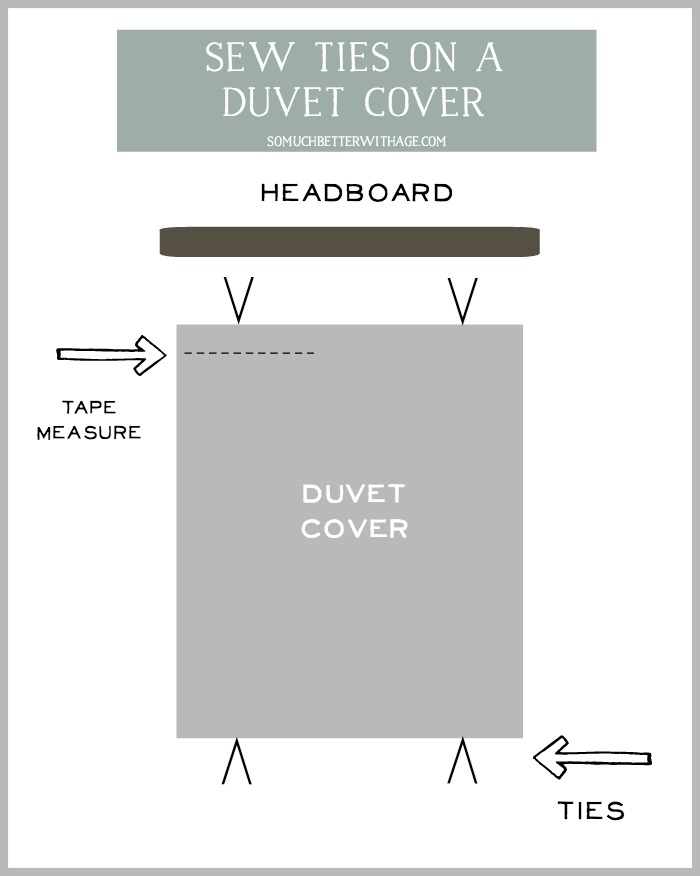
Even with the right size, duvets can shift without proper anchoring.
Corner Ties: Essential for Stability
Most covers have fabric ties in the corners. Your duvet insert should have loops. Tie them together to lock the insert in place.
Pro Tip: If your insert lacks loops, you can sew them on or use safety pins temporarily.
Eight-Tie Designs: Maximum Hold
Premium covers include eight ties, with four corners and four midpoints. This prevents any shifting, even with thick or oversized inserts.
Watch Out: Some covers skip a tie near the zipper corner. Rotate the insert so the missing tie is at the top, where movement is minimal.
Match Your Cover to Your Lifestyle
Your daily routine should guide your choice.
For Hot Sleepers: Stay Cool All Night
Choose linen, percale, or Tencel covers paired with lightweight or medium-weight inserts. A waffle weave adds extra breathability.
For Cold Sleepers: Maximize Warmth
Choose flannel or sateen covers paired with heavyweight down, wool, or synthetic inserts. Layer with a blanket if needed.
For Allergy Sufferers: Hypoallergenic Picks
Choose wool inserts (naturally resistant to dust mites and mold) or down alternative inserts (100% hypoallergenic). Pair with tightly woven cotton or silk covers to block allergens. Avoid down unless it’s RDS-certified for ethical sourcing.
For Pet Owners: Durable and Snag-Proof
Avoid waffle weaves and loose embroidery that can snag on claws. Choose tightly woven cotton or patterned covers that hide fur and scratches.
For Frequent Movers or Minimalists
Duvets are ideal because they pack small and are easy to transport. Choose lightweight, wrinkle-resistant covers like polyester blends or Tencel.
Budget Smart: What to Expect at Each Price Point

Under $100: Value Picks
Polyester blends offer wrinkle resistance and affordability, though they are less breathable. Basic cotton sateen provides decent softness but may pill over time.
$100 to $200: Quality Upgrades
This range includes long-staple cotton (Pima, Egyptian), Tencel, linen blends, and specialty weaves. These offer better durability and comfort.
$200 and Up: Luxury and Longevity
Organic cotton, linen, and designer brands fall here. Built to last two or more years with weekly washing.
Quick Decision Checklist
Use this framework to choose your cover:
- Measure your insert and pick a cover 1 to 2 inches smaller.
- Check your climate. Hot? Go linen, percale, or Tencel. Cold? Choose flannel or sateen.
- Assess your lifestyle. Pets? Avoid snags. Want easy care? Pick a zipper.
- Set your budget. Under $100 for basics, $100 to $200 for quality, $200+ for luxury.
- Verify security features. Look for 4 or more internal ties and a secure closure.
- Think long-term. Will it shrink? Pill? Fade? Choose based on durability, not just first-touch softness.
Frequently Asked Questions About Duvet Covers
What size duvet cover should I buy for my insert?
Choose a cover that is 1 to 2 inches smaller than your insert on all sides. This ensures a snug fit and prevents the insert from shifting. Always measure your insert before buying.
What is the best fabric for a duvet cover if I sleep hot?
Linen, percale cotton, and Tencel are the best options for hot sleepers. These fabrics are breathable, moisture-wicking, and help regulate body temperature throughout the night.
How often should I wash my duvet cover?
If you use a top sheet, wash your duvet cover every 2 to 4 weeks. Without a top sheet, wash it weekly since it directly contacts your skin.
Are zipper or button closures better for duvet covers?
Zippers are faster and more secure, fully enclosing the duvet with no gaps. Buttons offer a classic look but take longer to fasten and may leave small openings. Choose based on your priority: speed or aesthetics.
Can I use a duvet cover without a top sheet?
Yes, many people skip the top sheet for a streamlined, hotel-like feel. However, you’ll need to wash the cover more frequently, and the fabric must feel comfortable directly against your skin.
Do duvet covers shrink after washing?
Yes, 100% cotton covers can shrink 1 to 3% after the first wash. Blends and Tencel shrink less. If you’re between sizes, size up to account for shrinkage.
Final Thoughts on Choosing the Right Duvet Cover
The best duvet cover balances comfort, function, and style. It should feel great against your skin, stay in place all night, and match your bedroom aesthetic. Focus on fabric, fit, closure, and lifestyle needs to skip the guesswork.
Start by measuring your insert and identifying your sleep temperature. From there, narrow your choices by fabric type and closure preference. Set a realistic budget, and always check for internal ties and quality construction. With these steps, you’ll build a bed that’s easy to love and easy to live with, night after night.