How a Duvet Works Explained
You climb into bed, pull up a soft, fluffy layer, and instantly feel warm and cozy. But have you ever wondered how that comfort is created? At the heart of many modern bedding setups is the duvet, a sleek two-part system that combines insulation, hygiene, and style in one elegant solution. Unlike traditional comforters, a duvet works through a smart division of labor: the insert traps heat, while the cover protects and personalizes. This modular design delivers function, ease, and long-term value.
So how does a duvet work? It starts with air. The insert’s lofty filling, whether down, feathers, or synthetic fibers, traps warm air close to your body, creating a breathable yet insulating layer. That warmth is maintained efficiently thanks to high-quality construction like baffle-box stitching, which keeps the fill evenly distributed. Meanwhile, the removable cover shields the insert from dirt and wear, allowing you to wash it weekly without damaging the delicate inner layer. This system means you can change your bedroom’s look in minutes, extend the life of your bedding, and sleep comfortably year-round by switching inserts or covers based on season.
Whether you’re upgrading your bed or just curious about the difference between a duvet and a comforter, understanding how a duvet works reveals why it remains a favorite in homes and high-end hotels alike. From thermal efficiency to easy maintenance, here’s everything you need to know about the science and strategy behind this sleep essential.
The Duvet Insert and Cover System

Two-Piece Bedding Design
A duvet functions as a modular bedding system made of two distinct parts: the insert and the cover. The insert is the thick, padded layer filled with down, feathers, or synthetic materials that provides warmth. It is typically plain white or off-white and built to stay on the bed for months at a time. The cover is the outer fabric shell, removable and washable, that encases the insert like a giant pillowcase.
This separation is what makes a duvet unique. The insert handles insulation and loft, doing the heavy lifting when it comes to temperature regulation. The cover manages aesthetics, texture, and cleanliness. Together, they create a flexible, functional sleep layer that adapts to your needs without requiring a full bedding replacement.
Core Functional Roles
Each component has a specialized job. The insert’s role is thermal performance: its filling traps body heat in tiny air pockets, creating a warm microclimate without added weight. High thread count ticking (the shell fabric) prevents down or fibers from leaking while allowing breathability.
The cover’s role is protection and personalization. It shields the insert from sweat, oils, dust, and spills, absorbing daily wear so the insert stays fresh longer. Since it is the part you touch and see, it also defines the bed’s look and feel. Want a crisp hotel-style finish? Use white cotton. Craving warmth in winter? Swap in flannel. The cover lets you change your bedroom’s vibe without buying a whole new comforter.
Why Modularity Matters
The real power of a duvet lies in its swappable design. Instead of washing a bulky, expensive comforter every few weeks, you simply unzip the cover and toss it in the laundry. The insert remains protected, needing cleaning only once or twice a year. This not only saves time and effort but also extends the insert’s lifespan by reducing exposure to detergents and machine agitation.
For travelers, hosts, or families, this system is a game-changer. Airbnb owners, for example, can swap out a soiled duvet cover in seconds, maintaining a clean, polished look between guests. And because the insert stays constant, users can rotate multiple covers (seasonal, decorative, or hypoallergenic) without cluttering storage space.
Heat Trapping and Insulation Science
Air Pocket Warmth Mechanism
The secret to a duvet’s warmth is air retention. Whether filled with goose down, synthetic fibers, or wool, the material forms countless tiny pockets that trap warm air. This layer of still air acts as insulation, slowing heat loss from your body and keeping you warm with minimal weight.
Natural down excels at this due to its three-dimensional cluster structure, which expands to create maximum loft. Even synthetic fills mimic this design, using crimped polyester fibers to replicate down-like fluffiness. The result is a light, cloud-like blanket that warms efficiently without the heaviness of old-fashioned quilts.
Baffle-Box Construction Explained

To keep the filling evenly spread and fully functional, most quality duvets use baffle-box stitching. Unlike sewn-through designs (common in cheaper comforters), baffle-box construction features vertical fabric walls between the top and bottom layers of the insert. These walls form individual compartments that prevent the fill from shifting to the edges or clumping in the center.
This engineering ensures consistent warmth across the entire surface. No cold spots. No flat patches. Just uniform insulation whether you are sprawled in the middle or curled up at the edge. The higher the fill power (a measure of loft), the better the duvet expands to trap air, making baffle-box essential for maintaining performance over time.
Tog Ratings and Seasonal Use
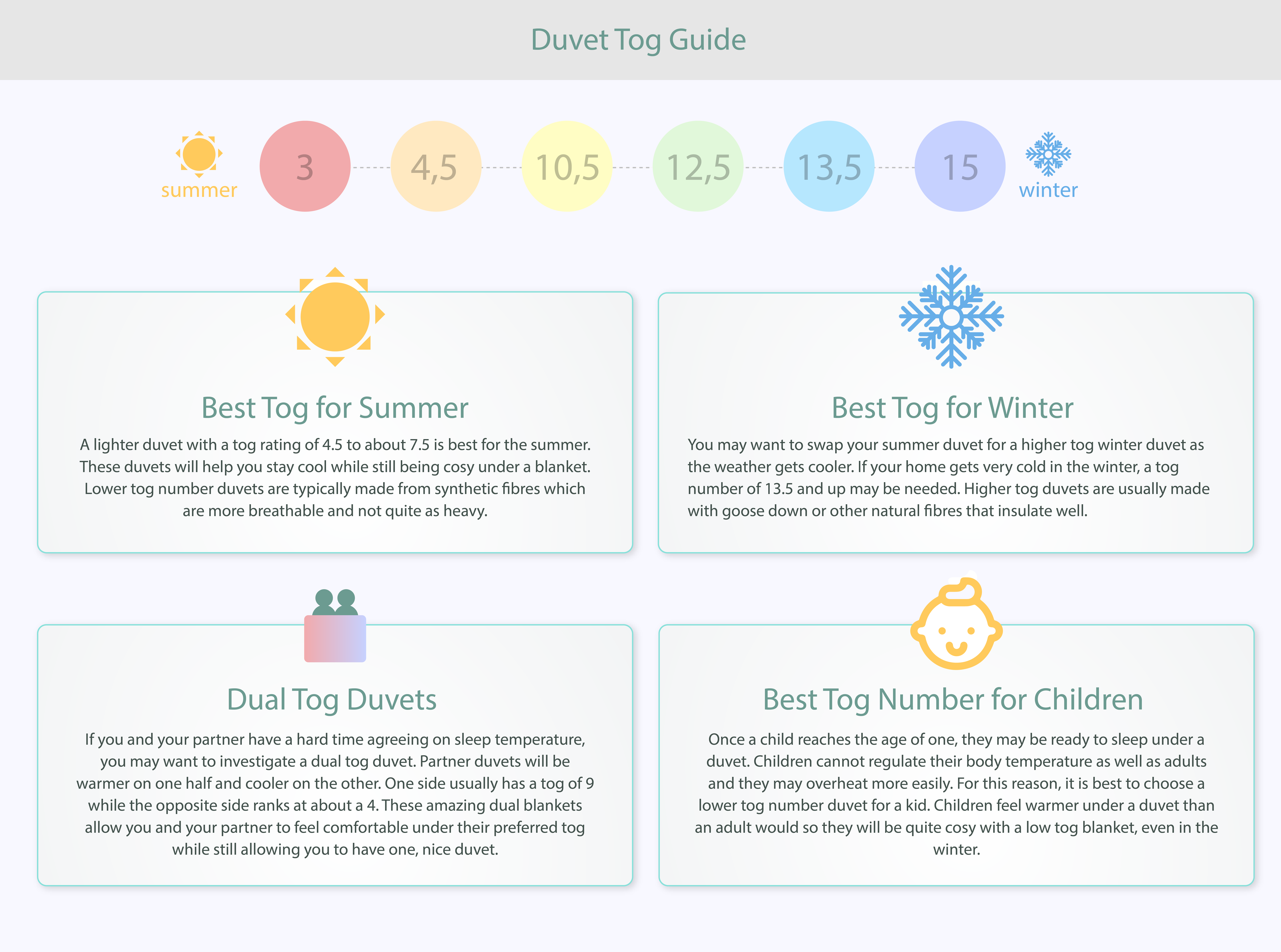
Warmth is measured using the Tog rating system, which quantifies thermal resistance. A higher Tog means more heat retention, ideal for winter, while a lower Tog suits warmer months.
- 1 to 4.5 Tog: Lightweight, perfect for summer or hot sleepers
- 7 to 10.5 Tog: Medium warmth, ideal for spring and fall
- 12 to 15 Tog: Heavy insulation, best for winter
Many people use a single mid-weight duvet year-round, adjusting warmth with cover fabric (linen in summer, flannel in winter). Others keep two inserts (light and heavy) to swap seasonally. Either way, Tog ratings let you customize comfort based on climate and body temperature.
Duvet vs. Comforter: Key Differences

Structural Design Comparison
The main difference between a duvet and a comforter is modularity. A duvet is a two-part system: a plain insert plus a removable cover. A comforter is a single, fixed unit with decorative fabric stitched directly over the filling.
This means the comforter’s look is permanent. Want a new style? You have to buy a whole new piece. With a duvet, just swap the cover. The insert stays hidden, so you can use one high-quality insert with multiple covers for different seasons or room themes.
Cleaning and Maintenance Ease
Maintenance is where duvets truly outperform comforters. Because the cover is removable, it can be washed weekly in a standard machine. The insert, protected from daily wear, only needs cleaning 1 to 2 times per year, often with professional or front-load washing to avoid damage.
Comforters, by contrast, must be washed entirely. Their size and weight make them hard to clean at home, and frequent laundering breaks down stitching and compresses the fill. Over time, this leads to flat spots, reduced warmth, and a shorter lifespan.
Long-Term Value and Durability
Duvets offer better long-term value. While the upfront cost is higher (you buy insert and cover separately), the system lasts longer. The insert stays fresh thanks to the cover’s protection, and replacing a $50 cover is far cheaper than buying a $200 comforter every few years.
Hotels and Airbnb hosts rely on this durability. They keep one insert per bed and multiple covers in rotation. When a guest checks out, staff swap the cover, not the entire bedding, saving time, money, and laundry load space.
Duvet Cover Features and Materials

Fabric Options for Covers
The cover determines how your duvet feels against your skin. Popular choices include:
- Cotton (300 to 500 thread count): Soft, breathable, and durable, ideal for year-round use
- Egyptian or Pima cotton (800+ thread count): Luxuriously smooth, with a silky handfeel
- Linen: Naturally breathable and moisture-wicking, perfect for hot sleepers
- Bamboo: Eco-friendly, hypoallergenic, and silky, great for sensitive skin
- Flannel: Brushed fabric that adds warmth, ideal for winter
- Microfiber: Affordable and wrinkle-resistant, though less breathable
- Silk: Smooth, temperature-regulating, and gentle on hair and skin
Each material brings unique benefits, letting you tailor comfort to your sleep environment.
Closure Types and Security
How the cover closes affects both ease of use and performance:
- Zipper: Most secure; keeps the insert locked in place. L-shaped zippers make insertion easier
- Button: Traditional look, secure but slower to fasten
- Envelope or tie closure: Less secure, may allow shifting, but simple and cost-effective
For households with kids, pets, or frequent bed-making, zippers are the top choice. They prevent the duvet from slipping out during sleep.
Internal Attachment Systems
Even with a secure closure, duvets can shift inside the cover unless they are anchored. Most modern duvets and covers include internal ties or loops:
- Four corner ties: Basic system to prevent bunching
- Eight-point ties (corners + mid-sides): More secure, keeps insert flat and centered
- Snap attachments: Fast, reliable connection without knots
If your cover lacks loops, use safety pins or duvet clips to secure the corners. This simple step prevents lumps and ensures even warmth distribution.
Care and Longevity Tips
Washing Duvet Covers Regularly
To maintain hygiene, wash your duvet cover every 1 to 2 weeks. For rentals or after illness, wash after each use.
- Use mild detergent and avoid bleach and fabric softeners
- Wash on gentle cycle with cool or warm water
- Don’t overload the machine; allow room for thorough rinsing
- Tumble dry on low heat or air dry for delicate fabrics
Cotton and microfiber handle machine drying well. Linen and silk benefit from air drying to prevent shrinkage.
Insert Cleaning and Fluffing
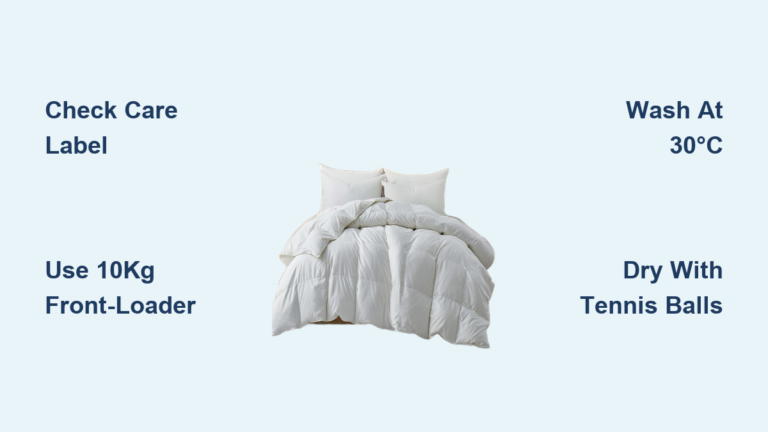
Wash the insert only when necessary, 1 to 2 times per year, to preserve loft. Always check the care label.
- Use a large-capacity washer (or laundromat machine)
- Wash with mild detergent on gentle cycle
- Dry with dryer balls to break up clumps and restore fluff
- Shake vigorously after drying to redistribute fill
If unsure, opt for professional cleaning, especially for down inserts.
Storage and Wear Prevention
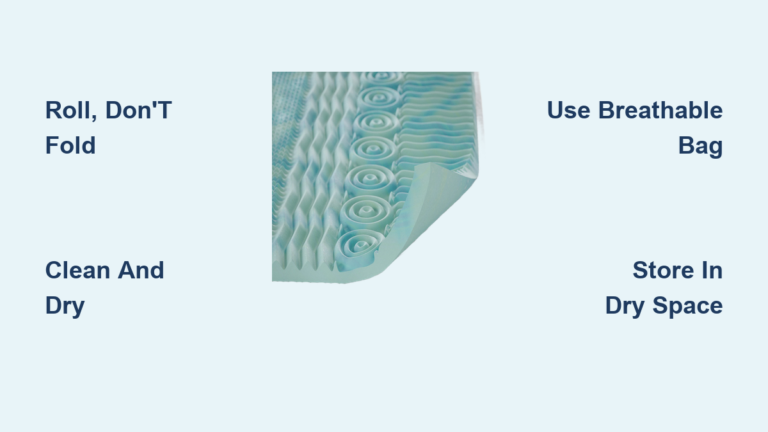
Store your duvet insert in a breathable cotton bag, not plastic, to prevent mustiness. Keep it in a cool, dry place and avoid attics or basements with humidity swings.
To extend cover life:
– Rotate covers every few weeks to distribute wear
– Use a duvet protector for extra defense against oils and sweat
– Pre-treat stains immediately to prevent setting
These habits keep your duvet looking and performing like new for years.
Seasonal Use and Customization
Adjusting Warmth by Season
A duvet adapts to the seasons through smart layering. Instead of storing it off-season, adjust warmth with:
- Insert Tog rating: Swap between light (2.5 to 4.5 Tog) and heavy (12 to 15 Tog) inserts
- Cover fabric: Use linen or cotton in summer, flannel or brushed cotton in winter
- Layering: Add a lightweight blanket under the duvet in extreme cold
Many people use a mid-weight (10.5 Tog) insert year-round, relying on cover changes to fine-tune comfort.
Style Swapping Without Replacement
One insert, multiple covers equals endless style options. Want a minimalist look? Use white cotton. Going for cozy farmhouse? Try a plaid flannel. Hosting guests? Switch to crisp hotel-style linen.
This versatility makes duvets cost-effective for design changes. No need to replace an entire bedding set; just buy a new cover. It is an easy way to refresh your bedroom for holidays, seasons, or mood shifts.
Allergy-Friendly and Hot Sleeper Solutions
For allergy sufferers, choose:
– Synthetic fills (hypoallergenic polyester)
– Tightly woven covers (300+ thread count cotton or bamboo)
– Dust mite-proof protectors
For hot sleepers, prioritize:
– Low Tog inserts (2.5 to 4.5)
– Breathable covers (linen, bamboo, or percale cotton)
– Moisture-wicking fabrics to stay dry and cool
These choices help regulate temperature and reduce allergen exposure.
Assembly and Troubleshooting
How to Insert a Duvet Easily
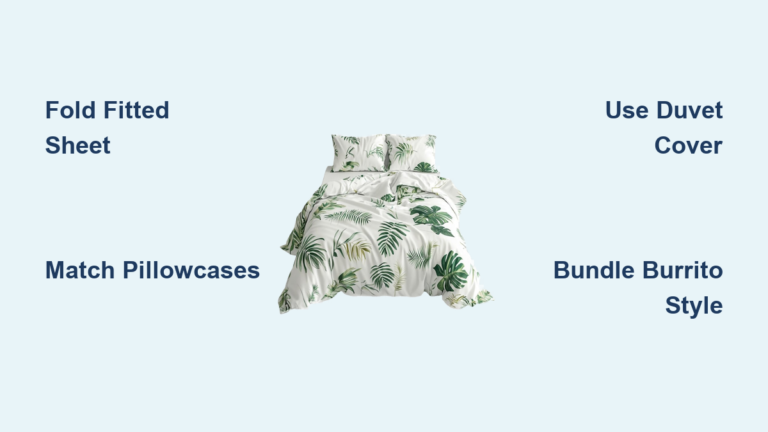
The rolling method is the most effective way to load a duvet:
- Turn the cover inside out
- Lay it flat, insert aligned on top
- Secure corner ties if present
- Roll both together like a burrito
- Grab the open end and pull the cover right-side out
- Unroll, zip up, and shake to fluff
For zipper covers, the lay-flat method works: unzip fully, place insert inside, secure ties, zip closed.
Fixing a Shifting Insert
If your duvet bunches in one corner:
– Check ties: Ensure all eight points are knotted
– Use clips or pins: Attach corners if loops are missing
– Try snap attachments: More secure than ties
A well-anchored insert stays flat and warm all night.
Preventing Static and Clumping
Static cling, especially with synthetic fills, can be reduced by:
– Adding wool dryer balls during drying
– Using white vinegar in the rinse cycle
– Avoiding over-drying
For clumping, shake the insert daily and fluff in the dryer with balls on low heat.
Frequently Asked Questions About Duvets
Can a duvet cover be used as a standalone blanket?
No. A duvet cover is a thin fabric shell designed solely for protection and decoration. It lacks the filling necessary to provide warmth and is not intended for use without an insert.
What is the difference between a duvet set and a duvet?
A “duvet” typically refers to the insert alone. A “duvet set” usually includes the duvet insert, the duvet cover, and matching pillow shams. Consumers must verify contents, as some sets sell the cover and shams only, requiring a separate insert purchase.
How does the “European” sleeping style relate to duvets?
In the “European” style, the top sheet is omitted. The sleeper lies directly under the duvet cover, which acts as the hygienic barrier. This simplifies bed-making and laundering, as only the cover needs frequent washing.
Do duvets require a top sheet?
No, a top sheet is optional. Its use depends on personal preference. Those who prefer the “European” style skip the top sheet, relying on the washable duvet cover. Those who prefer a layer between themselves and the duvet will use a top sheet.
What happens if the duvet cover has no loops?
If the cover lacks internal ties, the insert may shift. Users can attach the corners using safety pins, specialized duvet clips, or by sewing their own ties onto the insert and cover.
Is a duvet suitable for all seasons?
Yes, through the selection of appropriate Tog ratings and cover materials. A lighter fill and breathable linen or cotton cover suit summer, while a heavier fill and flannel cover suit winter. Some users maintain two inserts to swap seasonally.
Key Takeaways for Understanding How a Duvet Works
A duvet works by combining smart design with practical function. Its two-part system delivers warmth, easy care, and style flexibility in one efficient package. The insert traps heat through air-filled loft, while the cover protects and personalizes the sleep experience.
By understanding how the insert traps heat and how the cover shields and styles your bedding, you can maximize comfort, extend bedding life, and simplify maintenance. Start by choosing a Tog rating that matches your climate, then invest in two or three covers to rotate through seasons and styles. Whether you are a hot sleeper, allergy sufferer, or design lover, the duvet adapts to you, not the other way around.