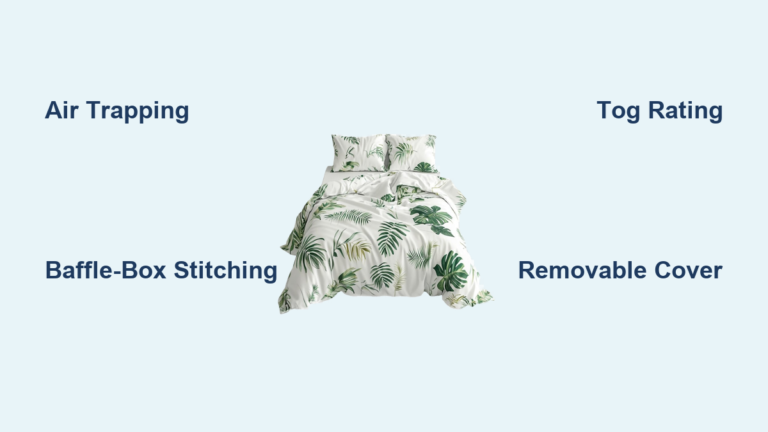
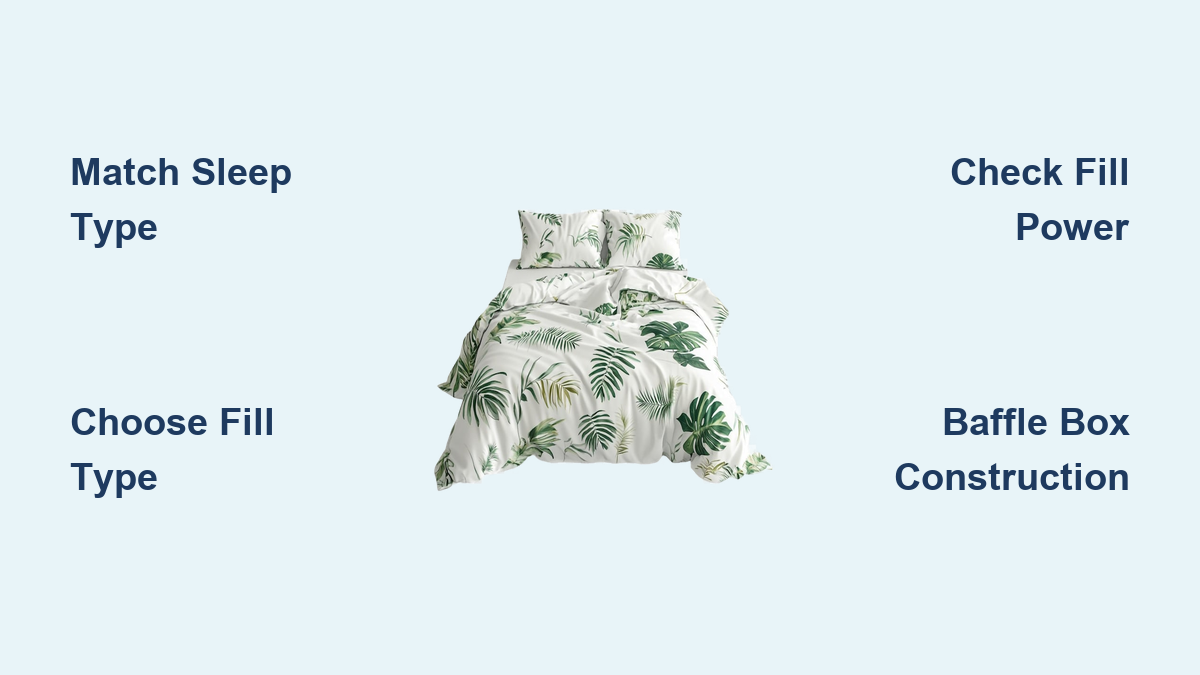
How to Choose a Duet: Quick Steps
If you’re waking up sweaty or shivering under your covers, the problem likely isn’t your mattress; it’s your duvet. The right duvet balances warmth, weight, breathability, and care to match how your body actually sleeps. Whether you’re a hot sleeper, a cold sleeper, or someone sharing a bed with the opposite, choosing wisely can transform your nights. This guide breaks down exactly how to pick the best duvet based on your sleep profile, climate, and budget, without drowning in jargon. You’ll learn how fill type, construction, and sizing impact comfort, and which specs actually matter.
Match Duvet Warmth to Your Sleep Type

Your body’s natural nighttime temperature should dictate your duvet choice. Picking the wrong warmth level means restless sleep and wasted money. Start by identifying your sleeper profile.
Warm Sleepers: Stay Cool Without Overheating
If you kick off covers, wake up sweaty, or keep your bedroom cold, you’re a warm sleeper. This is especially common during hormonal shifts like menopause.
- Best duvet type: Cool or lightweight
- Ideal fill: Silk, bamboo, or low fill-power down (400–600)
- Shell fabric: Breathable percale cotton, linen, or bamboo
- Avoid: Heavy fills, high-loft down, and flannel covers
A silk-filled duvet offers natural temperature regulation and hypoallergenic comfort for warm sleepers.
Normal Sleepers: Versatile Year-Round Comfort
You sleep well in most conditions and only adjust bedding during extreme weather. You need a balanced, year-round option.
- Best duvet type: Light warm or warm
- Ideal fill: 600–700 fill-power duck or goose down
- Shell fabric: Cotton sateen or 250+ thread count cotton
- Construction: Baffle box or stitch-through
A medium-weight down duvet with solid loft performs well across seasons. Pair it with a lightweight cover in summer and a flannel one in winter.
Cold Sleepers: Maximize Warmth and Insulation
If you feel chilly even with layers, struggle with drafts, or keep the thermostat high, you’re a cold sleeper.
- Best duvet type: Warm or extra warm
- Ideal fill: High fill-power goose down (700+), wool, or thick synthetic
- Shell fabric: Tightly woven cotton or polyester for heat retention
- Construction: Baffle box to prevent cold spots
Goose down with 800+ fill power delivers luxurious warmth with minimal weight. Wool also wicks moisture and resists odors naturally.
Variable Sleepers: Layer or Switch with Seasons
If your needs change with the seasons, or you share a bed with someone who sleeps at a different temperature, flexibility matters.
- Best strategy: Own two duvets (summer + winter) or use the Scandinavian method
- Scandinavian method: Two twin duvets on a shared bed
- Benefits: No duvet hogging, personalized warmth, easier washing
This setup is ideal for couples with mismatched sleep temperatures and simplifies laundry day.
Compare Fill Types: Natural vs. Synthetic

The filling determines how warm, light, and breathable your duvet feels. Each material has trade-offs in cost, care, and performance.
Down: Lightweight Luxury with High Loft
Down is the soft underlayer of duck or goose feathers. It offers unmatched insulation without heaviness.
Goose vs. Duck Down
- Goose down: Larger clusters, higher loft, longer lifespan, warmer
- Duck down: Smaller clusters, slightly cooler, more affordable
High-quality down is cleaned professionally and often hypoallergenic. Look for RDS (Responsible Down Standard) certification for ethical sourcing.
Pros and Cons
- Warm yet lightweight
- Breathable and adaptive
- Long-lasting (up to 20 years)
- Expensive upfront
- Requires professional cleaning
- May trigger allergies if poorly processed
Wool: Natural Temperature Control
Wool duvets are denser than down but excel at regulating heat and moisture.
- Moisture wicking: Absorbs up to 33% of its weight in sweat while staying dry
- Odor resistant: Naturally antimicrobial
- Best for: Year-round use, allergy sufferers, eco-conscious buyers
Wool is heavier than down, so it may feel too warm for hot sleepers. But it’s a sustainable, renewable option.
Silk: Hypoallergenic and Cooling
Silk is 100% hypoallergenic and ideal for sensitive skin or hot sleepers.
- Lightweight and breathable
- Regulates temperature naturally
- Best for: Summer use, menopausal women, allergy sufferers
Downsides include higher cost, delicate handling, and frequent dry cleaning needs.
Bamboo Fill: Eco-Friendly Cooling Alternative
Bamboo-based synthetic fill mimics silk’s breathability.
- Hypoallergenic and moisture-wicking
- Cooling properties
- Best for: Warm climates, eco buyers, sensitive sleepers
It is not as lofty as down but offers a sustainable, vegan-friendly option.
Down Alternative: Easy-Care Budget Option
Most synthetic duvets use polyester microfibers to mimic down.
- Hypoallergenic and dust mite resistant
- Machine washable and affordable
- Best for: Kids, pet owners, frequent washers
Synthetics are heavier, requiring roughly 3x the fill for the same warmth, and less breathable. Over time, they lose loft and feel flat.
Blended Fills: Best of Both Worlds
Some duvets blend polyester with cotton or lyocell.
- Balances softness, durability, and washability
- Common in children’s bedding
- Good for: Families needing easy maintenance
Understand Fill Power and Weight

Two numbers define a duvet’s performance: fill power and fill weight. Knowing the difference helps you avoid overpaying or underperforming.
Fill Power: Measure of Loft and Warmth
Fill power (measured in cubic inches per ounce) indicates how much air the down traps. More air equals more warmth with less weight.
Fill Power Guide
- 400–600: Lightweight, cool, best for summer or warm sleepers
- 600–700: Balanced warmth, ideal for most people year-round
- 700–800: Cozy and lofty, great for cold sleepers
- 800+: Premium luxury, ultra-light with maximum insulation
A 650 fill-power duvet with proper weight can outperform a heavier 500 fill-power one. High fill power also means faster fluffing and better longevity.
Fill Weight: Actual Amount of Fill Inside
Fill weight (in ounces) determines how heavy the duvet feels.
- High fill power + low fill weight = warm but light (cloud-like)
- Low fill power + high fill weight = warm but heavy (like a blanket)
Synthetics need more fill weight to match down’s warmth, making them bulkier.
Choose the Right Shell and Construction

The outer shell (ticking) and internal stitching affect durability, noise, and heat distribution.
Shell Fabric: What the Cover Is Made Of
- Cotton: Breathable, soft, natural, best for down duvets
- Polyester: Durable, down-proof, less breathable, common in synthetics
- Bamboo: Moisture-wicking, smooth, eco-friendly
For down, choose 100% cotton with 250+ thread count to prevent leaks and allow airflow.
Thread Count: Silence and Strength
- 220+ thread count: Down-proof (no feathers escape)
- 250+: Softer, quieter, better loft
- Avoid low thread count: Can be noisy and less durable
High thread count reduces rustling, which is ideal for light or noise-sensitive sleepers.
Baffle Box vs. Stitch-Through Construction
Baffle Box Construction
- Vertical fabric walls create 3D chambers
- Prevents fill shift, eliminates cold spots, maximizes loft
- Best for: Cold sleepers, luxury feel, year-round use
This is the gold standard for high-end duvets.
Stitch-Through (Sewn Box) Construction
- Top and bottom layers stitched together in squares
- Lighter, more breathable, flatter look
- Drawback: Cold spots at seams, less loft
Ideal for summer or warm sleepers who want minimal bulk.
Corner Loops and Edge Details
- Corner loops: Tie the duvet to a cover, preventing slippage
- Reinforced edges: Double stitching improves durability and shape retention
Always check for these features if you plan to use a duvet cover.
Size and Fit: Get the Right Coverage

A duvet should cover you fully without excess bulk or gaps.
Standard Sizing Options
- Twin: Fits twin mattress
- Full/Queen: Fits full or queen
- King: Fits king
Most people match duvet size to mattress size.
Oversizing for Extra Coverage
Tall sleepers or restless movers should consider going one size up.
- Example: King duvet on a Queen bed
- Benefits: Extra coverage, no cold feet, fewer drafts
Just ensure your duvet cover can accommodate the larger insert.
Scandinavian Twin Method
Two people use separate twin duvets on a shared bed.
- No duvet hogging
- Personalized warmth levels
- Easier to wash and make the bed
This approach is popular in Nordic countries and growing worldwide.
Layering: Boost Warmth or Improve Breathability
Your duvet doesn’t work alone. Layers above and below impact temperature.
Warm Sleepers: Light Layers Only
- Use a lightweight duvet cover (cotton, linen)
- Skip heavy blankets or jacquard weaves
- Add a throw at the foot instead of a top layer
Cold Sleepers: Add Insulating Layers
- Use a flannel or heavy jacquard duvet cover
- Layer with a wool blanket or quilt
- Combine a year-round duvet with extra blankets in winter
Avoid compressing down with heavy layers, as this reduces loft over time.
Care and Longevity: Keep Your Duvet Fresh
Proper maintenance extends a duvet’s life, especially down, which can last up to 20 years.
Washing Guidelines
- Down: Wash every 2–3 years; use front-loading machine or professional cleaning
- Synthetic: Machine washable; clean every 3–6 months
- Never use top-loader with agitator: It can tear seams
- Use mild detergent; no bleach or fabric softener
Drying Tips
- Tumble dry on low heat
- Add dryer balls or clean tennis balls to restore loft
- Dry thoroughly; down holds moisture and can mildew if damp
Daily and Long-Term Care
- Fluff daily: Shake and air out your duvet
- Use a cover: Protects against oils, sweat, and stains
- Store properly: Use a breathable cotton bag; avoid plastic
- Don’t compress long-term: It damages down clusters
Style and Bedroom Aesthetics
Your duvet cover defines the room’s look. The insert stays hidden, so focus on function first.
Popular Styles
- Hotel look: All-white, high-loft duvet, crisp lines
- Cozy retreat: Dark colors, textured covers, layered throws
- Family-friendly: Patterned covers to hide stains, smooth fabrics to resist pet claws
- Modern minimalist: Monochrome tones, clean lines
Bed-Making Tips
- Fold duvet down about 12 inches from top
- Layer a blanket or quilt over the fold
- Add a throw at the foot for visual balance
- Use matching shams and decorative pillows
An oversized duvet that drapes evenly on both sides creates a polished, luxury feel.
Price and Value: Budget vs. Luxury
Duvet prices range from $25 to $300+. Know what you’re paying for.
Budget Tier ($25–$60)
- Materials: Synthetic, duck down, down/feather mix
- Best for: Kids, guest rooms, warm climates
- Example: SÄFFEROT at $24.99 (light warm, twin)
Mid-Range ($60–$150)
- Materials: Higher fill-power down, better shell fabric
- Best for: Everyday use, year-round comfort
- Example: FJÄLLBRÄCKA at $129 (warm, twin)
Luxury ($150+)
- Materials: 700+ goose down, RDS certified, baffle box
- Best for: Cold sleepers, luxury feel, longevity
- Example: The Luxury Collection or Westin hotel duvets
Synthetics are cheaper upfront but wear out faster. Down costs more but lasts decades with proper care.
Frequently Asked Questions About Duvets
What fill power is best for a duvet?
A fill power between 600 and 700 works well for most sleepers year-round. Cold sleepers should look for 700+ fill power for maximum warmth with minimal weight.
How often should you wash a duvet?
Down duvets need washing every 2–3 years due to natural self-cleaning properties. Synthetic duvets should be washed every 3–6 months since they are machine washable.
What is the Scandinavian duvet method?
The Scandinavian method uses two twin duvets on a shared bed. This prevents duvet hogging, allows partners to choose different warmth levels, and makes laundry easier.
Are down alternative duvets good for hot sleepers?
Down alternative duvets are heavier and less breathable than natural fills. Hot sleepers are usually better served by silk, bamboo, or low fill-power down.
What thread count should a duvet cover have?
Look for a thread count above 220 to keep fill from escaping. A count of 250+ is softer, quieter, and allows better loft expansion.
Is goose down better than duck down?
Goose down has larger clusters, higher loft, and longer lifespan, making it warmer and more luxurious. Duck down is more affordable and slightly cooler, suiting normal sleepers well.
Key Takeaways for Choosing the Right Duvet
Start by identifying your sleep profile: warm, normal, or cold. Match fill type to your needs, with down for luxury and breathability, synthetics for easy care and budget. Verify fill power (600–700 for most, 800+ for cold sleepers) and thread count (250+ for softness). Choose baffle box construction for warmth or stitch-through for lightness. Finally, plan your care routine based on the fill type.
Your next step is simple: measure your sleep temperature tonight. If you kicked off covers, shop for cool-rated silk or bamboo. If you piled on extra blankets, invest in a baffle box goose down duvet with 700+ fill power.