How to Remove Blood from Mattress Topper
Finding a blood stain on your mattress topper can be stressful, but the good news is it is usually fixable, especially if you act fast. Whether it is from a nosebleed, cut, or period, knowing how to get blood out of mattress topper effectively depends on timing, method, and the material of your topper. The key is cold water, not heat, and immediate blotting. Fresh blood is protein-based and dissolves easily in cold water, but heat sets the stain permanently by coagulating the proteins. This guide gives you proven, step-by-step techniques tailored to your topper type so you can remove the stain safely.
You will learn which household items work best, what to avoid, and how to dry thoroughly to prevent mold and odors. With the right approach, most stains disappear without a trace.
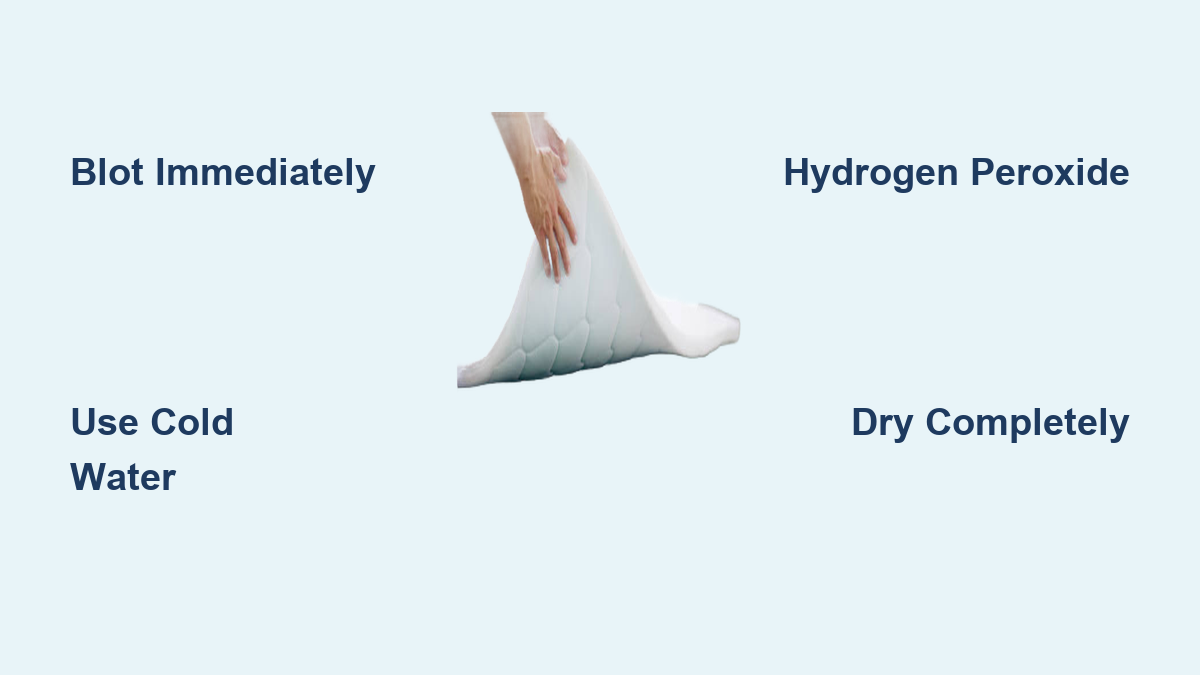
Blot Fresh Stains Immediately
The first few minutes after a spill are critical. The faster you act, the easier it is to remove blood from your mattress topper.
Why Speed Matters
Blood contains hemoglobin, a protein that binds to fibers on contact. When fresh, it is water-soluble and lifts easily. But within two to three hours, especially with body heat, it begins to denature and set, turning dark brown and embedding deeply. Immediate action can prevent permanent staining.
Step-by-Step Blotting
Remove all bedding to avoid spreading the stain. Use a clean cloth or paper towel and press straight down onto the stain. Lift straight up without rubbing or scrubbing, which spreads blood and damages fibers. Use fresh sections of the cloth as it becomes saturated. Continue until no more blood transfers.
Pro Tip: Keep a stain kit nearby with clean cloths, a cold water spray bottle, and hydrogen peroxide for quick response.
Use Cold Water for Fresh Blood
If the stain is still wet or recently dried, cold water alone may be enough to lift it.
How to Apply Cold Water
Dampen a clean cloth with cold water only. Gently dab the stain, never pour or soak. Blot with a dry towel to absorb loosened liquid. Repeat until the stain fades completely. Allow to air dry fully before remaking the bed.
Why it works: Cold water dilutes hemoglobin without cooking the proteins. Heat, even from a warm washcloth, will set the stain permanently.
Mistake to avoid: Using warm water to clean better guarantees a lasting stain.
Apply Mild Soap for Light Residue
When cold water is not enough, mild dish soap breaks down remaining proteins.
Best Soap to Use
Choose clear, unscented liquid dish soap like Dawn. Avoid colored or heavily fragranced versions that may leave dyes or residue.
Cleaning Steps
Blot excess moisture first. Place two to three drops of soap directly on the stain. Gently dab or use small circular motions with a fingertip. Let sit for three to five minutes to allow surfactants to break protein bonds. Rinse by blotting with a cold-water-dampened cloth. Repeat rinsing until all soap is gone, as leftover soap attracts dirt. Dry thoroughly.
Success tip: Use this method for stains less than six hours old. For dried blood, move to stronger options.
Try Salt and Cold Water Solution
Salt draws out blood through osmosis, making it a natural, gentle option.
How to Make the Solution
Mix one tablespoon of table salt with one cup of cold water. Stir until dissolved. Dampen a clean cloth in the solution.
Application Steps
Dab the cloth onto the stain. Let sit for ten to fifteen minutes. Blot with a fresh, cold-water-dampened cloth. Repeat if needed. Allow to air dry.
Why it works: Salt creates a hypertonic environment, pulling blood out of fibers.
Best for: Fresh blood on fiberfill or washable toppers.
Use Baking Soda Paste for Dried Stains
When blood has dried and set, baking soda gently lifts and absorbs the stain.
How to Make the Paste
Mix two tablespoons of baking soda with cold water. Add just enough water to form a toothpaste-like consistency.
Application Steps
Apply paste directly to the stain. Let sit for thirty minutes to one hour. As it dries, it pulls the stain from fibers. Brush off residue with a soft brush or vacuum. Dampen a cloth and blot the area to remove traces. Allow full air drying.
Why it works: Baking soda is mildly alkaline, helping neutralize acidic components in blood. It also absorbs moisture and provides light abrasion.
Best for: Set-in stains on fiberfill or latex toppers.
Hydrogen Peroxide for Tough or Old Stains

Hydrogen peroxide is one of the most effective blood stain removers due to its oxidizing power.
3% Hydrogen Peroxide Method
Blot the area first. Apply undiluted three percent hydrogen peroxide directly to the stain. Watch for bubbling, which means oxidation is breaking down hemoglobin. After bubbling stops, blot with a dry towel. Repeat if needed. Allow to air dry completely.
Why it works: Peroxide oxidizes hemoglobin into colorless compounds, lifting the stain.
Pro Tip: Always test on a hidden area first, as peroxide can bleach dyes.
Upgrade to 6% Hydrogen Peroxide for Stubborn Stains
For stains that will not budge, stronger peroxide delivers deeper penetration.
When to Use 6%
Use six percent hydrogen peroxide for stains older than twenty-four hours, multiple layers of dried blood, or when three percent has not worked.
Application Steps
Apply a few drops at a time, do not flood the area. Let foam rise, then scoop it away with a spoon. Repeat every fifteen minutes for up to one and a half hours. Finish with a cold water rinse and blot dry.
Note: Six percent is salon-grade, not found in most pharmacies. It is available at beauty supply stores.
Try Meat Tenderizer for Old Blood
Meat tenderizer contains papain, an enzyme that breaks down proteins, perfect for old blood stains.
How to Use
Blot the stain first. Mix one part unseasoned meat tenderizer with two parts cold water to form a paste. Apply to the stain. Let sit for one hour. Wipe away with a damp cloth. Blot dry and air dry completely.
Critical: Use unseasoned meat tenderizer only. Seasoned versions contain salt, sugar, and spices that can stain.
Best for: Stains older than a day, especially on washable covers.
Use Enzyme-Based Cleaners for Organic Stains
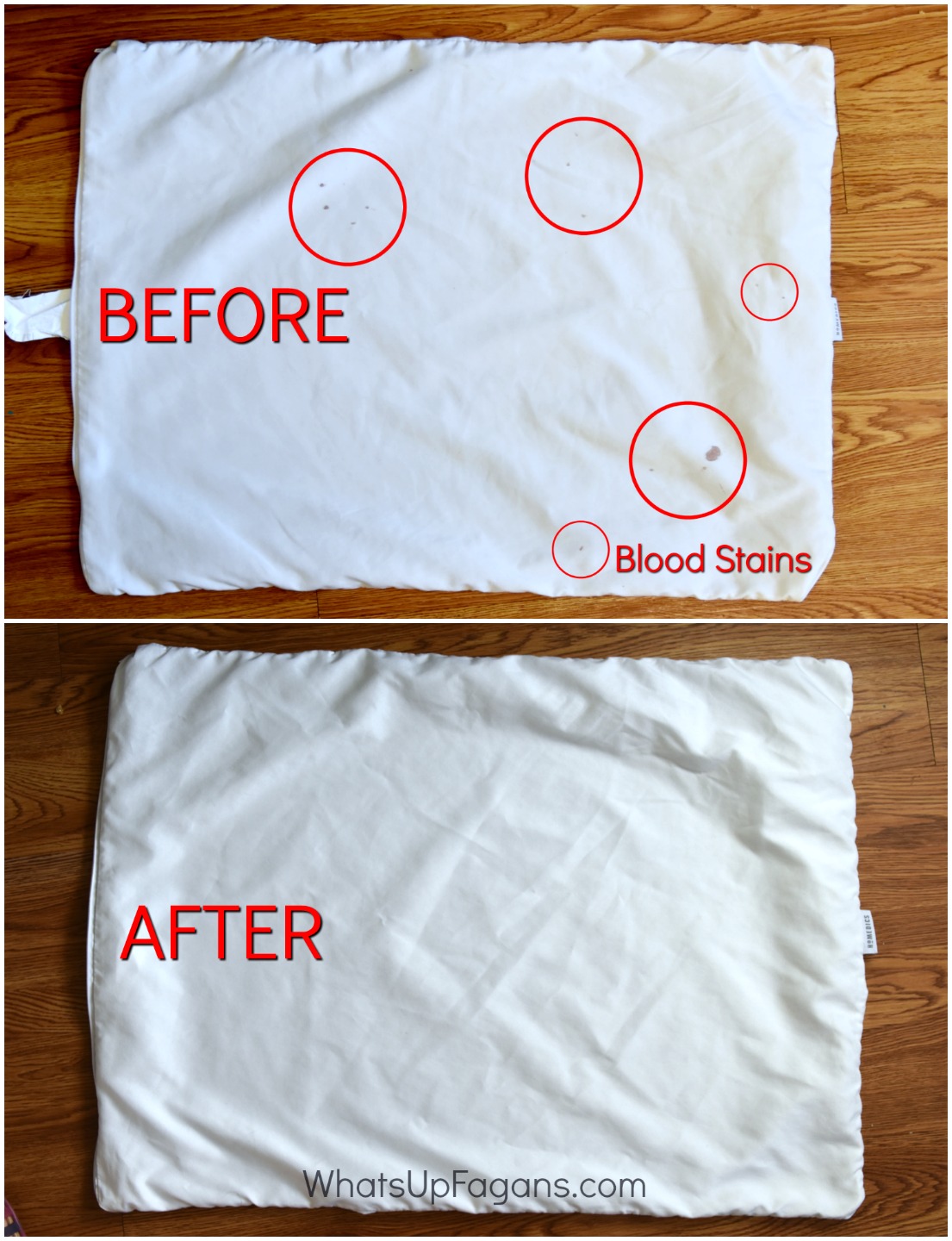
Enzymatic removers digest blood at a molecular level, ideal for period blood or pet accidents.
Recommended Products
OxiClean MaxForce, Vanish Preen, Nature’s Miracle Stain and Odor Remover, and Biokleen Bac-Out work well for organic stains.
How to Apply
Blot excess blood first. Spray or dab product directly on the stain. Let sit for fifteen to thirty minutes. Blot and rinse with cold water. Air dry.
Why it works: Enzymes like protease break down protein chains, dissolving the stain.
Tip: Choose products labeled for upholstery or mattresses.
Avoid Ammonia Unless Necessary
Ammonia is powerful but risky. Use only for severe stains and with caution.
Safe Application
Mix one tablespoon ammonia with one cup cold water. Wear gloves and ensure excellent ventilation. Apply to a cloth, not directly to the topper. Dab gently. Rinse with cold water. Air dry.
Warnings: Never mix with bleach or hydrogen peroxide, as toxic fumes result. Can damage dyes and degrade foam. Always patch test first.
Dry the Topper Completely
Even a slightly damp topper can grow mold or mildew within twenty-four hours.
Immediate Moisture Removal
Stack dry towels on the cleaned area. Press down firmly and hold for thirty seconds. Replace with dry towels and repeat until no moisture transfers. This wicking method removes far more water than blotting.
Air Drying Tips
Place in a well-ventilated area. Outdoors in shade is best, as sunlight degrades foam. Indoors, point a fan at the spot. Use a dehumidifier in humid climates. Flip the topper halfway through drying.
Drying Time by Material
Memory foam takes twenty-four to forty-eight hours. Latex takes twelve to twenty-four hours. Fiberfill takes six to twelve hours.
Final check: Press your hand into the area. If it feels cool or damp, keep drying.
Deodorize After Cleaning
Even after the stain is gone, odors may linger.
Baking Soda for Odor Control
Sprinkle baking soda over the entire surface. Let sit for thirty minutes to overnight. Vacuum thoroughly.
Why it works: Baking soda neutralizes both acidic and basic odors.
Vodka Mist for Lingering Smells
Fill a spray bottle with plain vodka, not flavored. Lightly mist the area. Let it evaporate. Vodka kills odor-causing bacteria and leaves no residue.
Prevent Future Stains
The best way to handle blood stains is to avoid them entirely.
Use a Waterproof Mattress Protector
This is the most effective prevention method. Look for waterproof, not just water-resistant. Choose soft polyurethane membrane that is quiet and comfortable. Ensure it is breathable and hypoallergenic. Pick one that is machine washable. Replace every one to two years or as directed.
Recommended: GlacioTex Cooling Mattress Protector or Full Coverage Encasement.
Know Your Topper Material
Different materials react differently to cleaning methods.
Memory Foam: Handle with Care
Memory foam is highly absorbent and prone to water damage. Never soak it. Use spray or paste methods only. Avoid vinegar and ammonia, as they can degrade foam. Best cleaners are three percent hydrogen peroxide or enzyme removers. Drying time is twenty-four to forty-eight hours.
Latex: Slightly More Resilient
Latex is naturally resistant to microbes. It can handle slightly more moisture. Avoid strong chemicals. Use hydrogen peroxide or enzyme cleaners cautiously. Drying time is twelve to twenty-four hours.
Fiberfill: Most Forgiving
Many fiberfill toppers are machine washable. Check the label first. If washable, spot clean first. Wash on cold, gentle cycle. Air dry or use low heat only after stain is gone. Drying time is six to twelve hours.
Wool or Silk: Delicate and Sensitive
Use only cold water and mild enzymatic cleaners. Avoid peroxide, vinegar, ammonia, and heat. May require professional cleaning. Blot gently to prevent surface damage.
What Not to Do
Avoid these common mistakes to prevent permanent damage.
Never Use Hot Water
Heat coagulates blood proteins, setting the stain permanently. Always use cold water only.
Do Not Rub or Scrub
This spreads blood and damages fibers. Always blot.
Never Dry Before Stain Is Gone
Putting a damp topper in a dryer bakes the stain in. Only dry when completely clean and moisture-free.
Avoid Over-Wetting Foam
Excess water leads to mold, mildew, and structural breakdown.
Do Not Mix Chemicals
Peroxide plus ammonia equals toxic fumes. Ammonia plus bleach equals chloramine gas. Always research before combining.
Skip Cola on Memory Foam
While cola phosphoric acid can break stains, its sugar content promotes mold and is hard to rinse from foam.
When to Replace the Topper
Even with proper care, toppers do not last forever.
Replace if the topper is eight or more years old. Replace if multiple deep, set-in stains remain. Replace if foam is crumbling or has a sour smell. Replace if mold or mildew persists after cleaning.
Most toppers last three to five years with regular use.
Final Tips for Success
Act fast, as fresh stains are easiest to remove. Use cold water only, as heat sets the stain. Blot instead of rubbing to prevent spreading and fiber damage. Test first to avoid bleaching or material damage. Dry completely to prevent mold and odors. Use a protector, as waterproof encasement is your best defense.
A blood stain on a mattress topper can feel frustrating at first, but it is manageable with the right approach. Stay calm. Use cold water and work gently. With the right method and timing, you can remove blood from any mattress topper safely and effectively. Keep this guide handy, and consider keeping a cleaning kit by your bed for peace of mind.
Frequently Asked Questions About Removing Blood from Mattress Topper
How do you get period blood out of a mattress topper?
Treat it as a fresh blood stain if caught early. Use cold water, mild soap, and blotting. For dried stains, use three percent hydrogen peroxide or an enzyme-based remover. Prevent future stains with period underwear, cups, or waterproof protectors.
Does dried blood stain permanently?
Not necessarily. While more difficult, dried blood can be removed with hydrogen peroxide, baking soda paste, or enzyme cleaners. Success depends on material type, treatment speed, and method used.
Can you use hot water to remove blood stains?
No. Hot water sets the stain by denaturing blood proteins. Always use cold water only.
Can I use hydrogen peroxide on a mattress topper?
Yes, with caution. Use three percent for general use and six percent for tough stains. Test on a hidden area first, as it can bleach dyes. Apply sparingly, especially on foam.
Does baking soda help remove odor from the mattress topper?
Yes. Baking soda neutralizes odors and can be left on the surface for thirty minutes to overnight, then vacuumed. Combine with hydrogen peroxide for stain and odor removal.
How does the meat tenderizer method work?
Meat tenderizer contains protease enzymes that break down proteins. Mix with cold water to form a paste, apply to stain, let sit for thirty minutes, then blot and rinse. It is effective for old blood stains.
Key Takeaways for Getting Blood Out of Mattress Topper
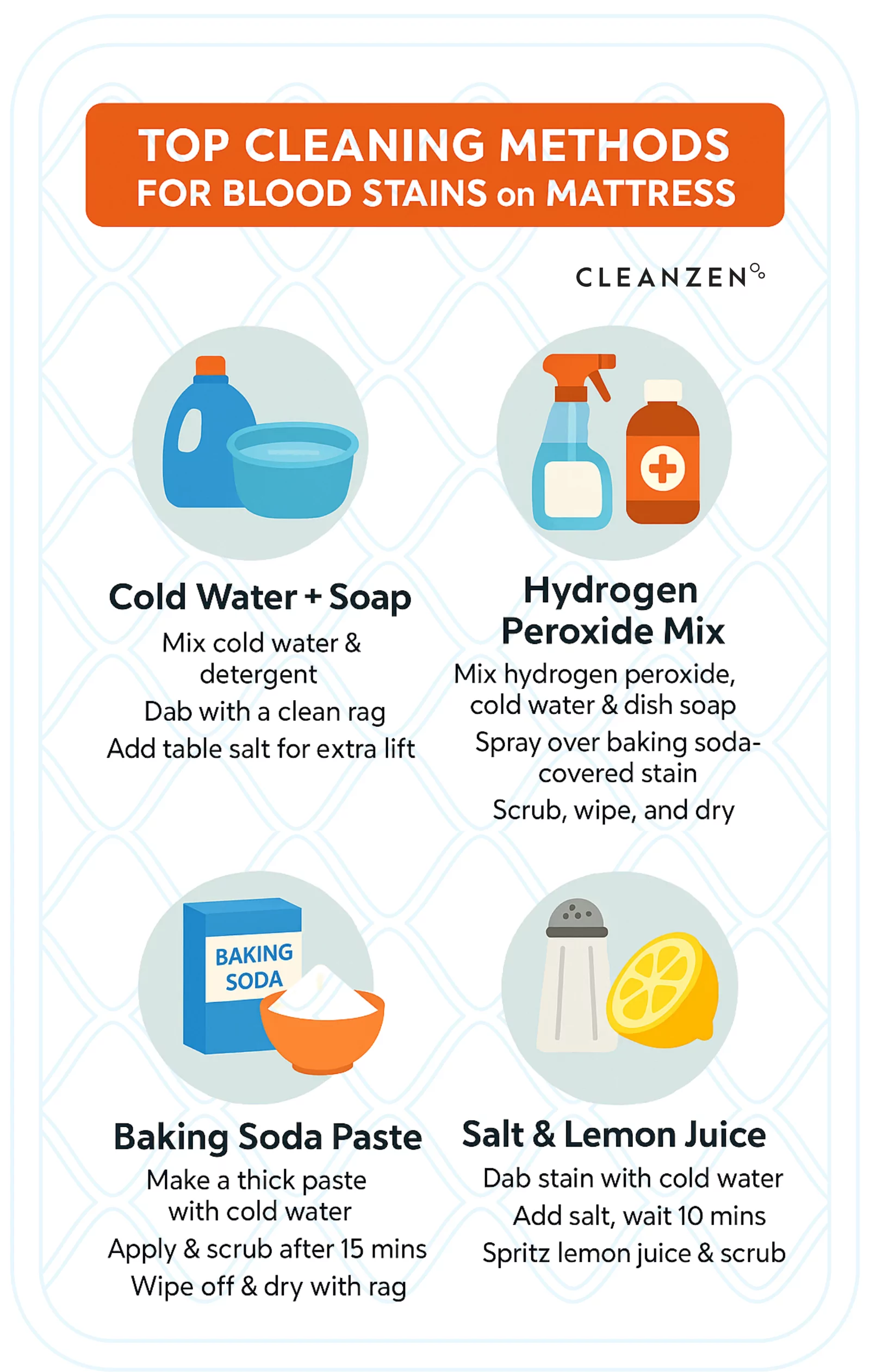
Acting fast is the most important factor when removing blood from a mattress topper. Fresh stains respond well to cold water and mild soap, while dried stains require hydrogen peroxide, baking soda paste, or enzyme-based cleaners. Always test cleaning products on a hidden area first, and never use hot water, as heat permanently sets the stain. Dry the topper completely to prevent mold and odors, and consider using a waterproof mattress protector to prevent future stains. With these techniques, most blood stains can be removed successfully from any type of mattress topper.